Lethal Remedy by Richard L. Mabry, MD

It is time for a FIRST Wild Card Tour book review! If you wish to join the FIRST blog alliance, just click the button. We are a group of reviewers who tour Christian books. A Wild Card post includes a brief bio of the author and a full chapter from each book toured. The reason it is called a FIRST Wild Card Tour is that you never know if the book will be fiction, non~fiction, for young, or for old…or for somewhere in between! Enjoy your free peek into the book!

You never know when I might play a wild card on you!


Today’s Wild Card author is:

and the book:

Lethal Remedy

Abingdon Press (October 2011)

***Special thanks to Julie Dowd (Abingdon Press) for sending me a review copy.***

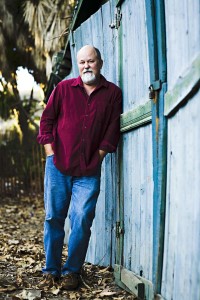
ABOUT THE AUTHOR:

Richard L. Mabry, MD, is a retired physician and medical school professor who achieved worldwide recognition as a clinician, writer, and teacher before turning his talents to non-medical writing after his retirement. He is the author of The Prescription for Trouble Series, one non-fiction book, and his inspirational piesces have appeared in numerous periodicals. He and his wife, Kay, live in North Texas.

Visit the author’s website.


SHORT BOOK DESCRIPTION:

An epidemic of a highly resistant bacteria, Staphylococcus luciferus, has ignited, and Dr. Sara Miles’ patient is on the threshold of death. Only an experimental antibiotic developed and administered by Sara’s ex-husband, Dr. Jack Ingersoll can save the girl’s life.

Dr. John Ramsey is seeking to put his life together after the death of his wife by joining the medical school faculty. But his decision could prove to be costly, even fatal.
Potentially lethal late effects from the experimental drug send Sara and her colleague, Dr. Rip Pearson, on a hunt for hidden critical data that will let them reverse the changes before it’s too late. What is the missing puzzle piece? And who is hiding it?

Product Details:

List Price: $13.99
Paperback: 288 pages
Publisher: Abingdon Press (October 2011)
Language: English
ISBN-10: 1426735448
ISBN-13: 978-1426735448

AND NOW…THE FIRST CHAPTER:

No one knew the man’s name. White male, probably in his late seventies, found unresponsive in an alley about two o’clock in the morning and brought to the emergency room. Just another homeless derelict, another John Doe.

“Pneumonia, late stages,” the intern said. He yawned. “Happens all the time. Drank himself into a stupor, vomited, aspirated. Probably been lying in that alley for more than a day. Doesn’t look like he’ll make it.”

“Labs cooking? Got a sputum culture going?”

“Yeah, but it’ll take a day or two to get the results of the culture. The smear looks like Staph. Guess I’ll give him—”

“Wait. I’ve got access to an experimental drug that might help. Let me start him on that.”

The intern shrugged. It was two in the morning. He’d been on duty for more than twenty-four hours straight—why’d Johnson’s wife have to go into labor today?—and he was bushed. The bum probably didn’t have a snowball’s chance of surviving anyway. Why not? “You’ll be responsible?”

“I’ll take it from here. Even do the paperwork.”

“Deal,” the intern said, and ambled off to see the next patient.

Three hours later, John Doe lay on a gurney in a corner of the ER. An IV ran into one arm, a blood pressure cuff encircled the other. Spittle dripped from his open mouth and dotted his unshaven chin. His eyes were open and staring.

“Acute anaphylaxis, death within minutes. Interesting.” He scratched his chin. “Guess I need to make some adjustments in the compound.” He picked up the almost-blank chart. “I’ll say I gave him ampicillin and sulbactam. That should cover it.”

* * *

The woman’s look pierced Dr. Sara Miles’ heart. “Do you know what’s wrong with Chelsea?”

Chelsea Ferguson lay still and pale as a mannequin in the hospital bed. An IV carried precious fluids and medications into a vein in her arm. A plastic tube delivered a constant supply of oxygen to her nostrils. Above the girl’s head, monitors beeped and flashed. And over it all wafted the faint antiseptic smell of the ICU.

Chelsea’s mother sat quietly at the bedside, but her hands were never still: arranging and rearranging her daughter’s cover, twisting the hem of her plain brown skirt, shredding a tissue. Sara decided that the gray strands in Mrs. Ferguson’s long brunette hair were a recent addition, along with the lines etched in her face.

Sara put her hand on the teenager’s head and smoothed the matted brown curls. The girl’s hot flesh underscored the urgency of the situation. Since Chelsea’s admission to University Hospital three days ago, her fever hadn’t responded to any of the treatments Sara ordered. If anything, the girl was worse.

“Let’s slip out into the hall,” Sara said. She tiptoed from the bedside and waited outside the room while Mrs. Ferguson kissed her sleeping daughter and shuffled through the door.

Sara pointed. “Let’s go into the family room for a minute.”

“Will she be—?”

“The nurses will check on her, and they’ll call me if anything changes.” Sara led the way into the room and eased the door closed. This family room resembled so many others Sara had been in over the years: small, dim, and quiet. Six wooden chairs with lightly upholstered seats and backs were arranged along three of the walls. Illumination came from a lamp in the corner. A Bible, several devotional magazines, and a box of tissues stood within reach on a coffee table.

This was a room where families received bad news: the biopsy was positive, the treatment hadn’t worked, the doctors weren’t able to save their loved one. The cloying scent of flowers in a vase on an end table reminded Sara of a funeral home, and she shivered as memories came unbidden. She shoved her emotions aside and gestured Mrs. Ferguson to a seat. “Would you like something? Water? Coffee? A soft drink?”

The woman shook her head. “No. Just tell me what’s going on with my daughter. Do you know what’s wrong with her? Can you save her?” Her sob turned into a soft hiccup. “Is she going to die?”

Sara swallowed hard. “Chelsea has what we call sepsis. You might have heard it referred to as blood poisoning. It happens when bacteria get into the body and enter the bloodstream. In Chelsea’s case, this probably began when she had her wisdom teeth extracted.”

I can’t believe the dentist didn’t put her on a prophylactic antibiotic before the procedure. Sara brushed those thoughts aside. That wasn’t important now. The important thing was saving the girl’s life. Sara marshaled her thoughts. “We took samples of Chelsea’s blood at the time of her admission, and while we waited for the results of the blood cultures I started treatment with a potent mixture of antibiotics. As you can see, that hasn’t helped.”

“Why?”

Sara wished the woman wouldn’t be so reasonable, so placid. She wished Mrs. Ferguson would scream and cry. If the roles were reversed, she’d do just that. “While we wait for the results of blood cultures, we make a guess at the best antibiotics to use. Most of the time, our initial guess is right. This time, it was wrong—badly wrong.”

“But now you know what’s causing the infection?” It was a question, not a statement.

“Yes, we know.” And it’s not good news.

Hope tinged Mrs. Ferguson’s voice. “You can fix this, can’t you?”

I wish I could. “The bacteria causing Chelsea’s sepsis is one that . . .” Sara paused and started again. “Have you heard of Mersa?”

“Mersa? No. What’s that?”

“It’s actually MRSA, but doctors usually pronounce it that way. That’s sort of a medical shorthand for methicillin-resistant Staphylococcus aureus, a bacteria that’s resistant to most of our common antibiotics.”

Mrs. Ferguson frowned. “You said most. Do you have something that will work?”

“Yes, we do. Matter of fact, when Chelsea was admitted I started her on two strong antibiotics, a combination that’s generally effective against MRSA. But she hasn’t responded, because this isn’t MRSA. It’s worse than MRSA.” She started to add “Much worse,” but the words died in her throat.

Sara paused and waited for Mrs. Ferguson to ask the next question. Instead, the woman crumpled the tissue she held and dabbed at the corner of her eyes, eyes in which hope seemed to die as Sara watched.

“This is what we call a ‘super-bug,’” Sara continued. “It used to be rare, but we’re seeing more and more infections with it. Right now, none of the commercially available antibiotics are effective. These bacteria are resistant to everything we can throw at them.”

Mrs. Ferguson’s voice was so quiet Sara almost missed the words. “What do you call it?”

“It’s a long name, and it’s not important that you know it.” Matter of fact, we don’t use the proper name most of the time. We just call it “The Killer.”

“So that’s it?”

“No, there’s a doctor at our medical center doing trials on an experimental drug that might work for Chelsea.” No need to mention that Jack is . . . No, let it go.

“Can you get some of this? Give it to Chelsea?”

“I can’t, but the man who can is an infectious disease specialist on the faculty here at the medical center. Actually, he helped develop it. Notice I said ‘experimental,’ which means there may be side effects. But if you want me—”

“Do it!” For the first time in days, Sara saw a spark of life in Mrs. Ferguson’s eyes, heard hope in her voice. “Call him! Now! Please!”

“You realize that this drug isn’t fully tested yet. It may not work. Or the drug may cause problems.” There, she’d said it twice in different words. She’d done her duty.

“I don’t care. My little girl is dying. I’ll sign the releases. Anything you need. If this is our only chance, please, let’s take it.”

Lord, I hope I haven’t made a mistake. “I’ll make the call.”

“I’m going back to be with my baby,” Mrs. Ferguson said. She stood and squared her shoulders. “While you call, I’ll pray.”

* * *

“Mr. Wolfe, you can come in now.” The secretary opened the doors to Dr. Patel’s office as though she were St. Peter ushering a supplicant through the Pearly Gates.

Bob Wolfe bit back the retort he wanted to utter. It’s Doctor Wolfe. Doctor of Pharmacology. I worked six years to earn that Pharm D, not to mention two years of research fellowship. How about some respect? But this wasn’t the time to fight that battle.

He straightened his tie, checked that there were no stains on his fresh white lab coat, and walked into the office of the head of Jandra Pharmaceuticals as though he had been summoned to receive a medal. Never let them see you sweat.

Dr. David Patel rose from behind his desk and beamed, gesturing toward the visitor’s chair opposite. “Bob, come in. Sit down. I appreciate your coming.”

Not much choice, was there? Wolfe studied his boss across the expanse of uncluttered mahogany that separated them. Pharmaceutical companies seemed to be made up of two groups: the geeks and the glad-handers. Patel typified the former group. PhD from Cal Tech, brilliant research mind, but the social skills of a tortoise. Patel had been snatched from the relative obscurity of a research lab at Berkeley by the Board of Directors of Jandra Pharmaceuticals, given the title of President and CEO, and charged with breathing life into the struggling company. How Patel planned to do that remained a mystery to Wolfe and his co-workers.

Patel leaned forward and punched a button on a console that looked like it could launch a space probe. “Cindy, please ask Mr. Lindberg to join us.”

Steve Lindberg ran the sales team from an office across the hall. Lindberg could memorize salient scientific material and regurgitate it with the best of them, but Wolfe would bet the man’s understanding of most of Jandra’s products and those of its major competitors was a mile wide and an inch deep. On the other hand, Lindberg had his own area of expertise: remembering names, paying for food and drinks, arranging golf games at exclusive clubs. No doubt about it, Lindberg was a classic glad-hander, which was why he had ascended to his current position, heading the marketing team at Jandra.

Wolfe hid a smile. Interesting. The President of the company and the Director of Marketing. This could be big. The door behind Wolfe opened. He deliberately kept his eyes front. Be cool. Let this play out.

“Hey, Bob. It’s good to see you.” Wolfe turned just in time to avoid the full force of a hand landing on his shoulder. Even the glancing blow made him wince. Lindberg dragged a chair to the side of Patel’s desk, positioning himself halfway between the two men. Clever. Not taking sides, but clearly separating himself from the underling.

Wolfe studied the two men and, not for the first time, marveled at the contrast in their appearance. Patel was swarthy, slim, and sleek, with jet-black hair and coal-black eyes. His blue shirt had a white collar on which was centered the unfashionably large knot of an unfashionably wide gold-and-black tie. Wolfe wondered whether the man was five years behind or one ahead of fashion trends. He spoke with a trace of a British accent, and Wolfe seemed to recall that Patel had received part of his education at Oxford. Maybe he wore an “old school” tie, without regard to current fashion. If so, it would be typical of Patel.

Lindberg was middle-aged but already running to fat—or, more accurately, flab. His florid complexion gave testimony to too many helpings of rare roast beef accompanied by glasses of single malt Scotch, undoubtedly shared with top-drawer doctors and paid for on the Janus expense account. Lindberg’s eyes were the color of burnished steel, and showed a glimmer of naked ambition that the smile pasted on his face couldn’t disguise. His thinning blond hair was combed carefully to cover early male pattern baldness. The sleeves of his white dress shirt were rolled halfway to his elbows. His tie was at half-mast and slightly askew.

Patel, the geek. Lindberg, the glad-hander. Different in so many ways. But both men shared one characteristic. Wolfe knew from experience that each man would sell his mother if it might benefit the company, or more specifically, their position in it. The two of them together could mean something very good or very bad for Bob Wolfe. He eased forward in his chair and kicked his senses into high gear.

Patel leaned back and tented his fingers. “Bob, I’m sure you’re wondering what this is about. Well, I wanted to congratulate you on the success of EpAm848. I’ve been looking over the preliminary information, especially the reports from Dr. Ingersoll at Southwestern Medical Center. Very impressive.”

“Well, it’s sort of Ingersoll’s baby. He stumbled onto it when he was doing some research here during his infectious disease fellowship at UC Berkeley. I think he wants it to succeed as much as we do.”

“I doubt that.” Patel leaned forward with both hands on the desk. “Jandra is on the verge of bankruptcy. I want that drug on the market ASAP!”

“But we’re not ready. We need more data,” Wolfe said.

“Here’s the good news,” Patel said. “The FDA is worried about The Killer bacteria outbreak. I’ve pulled a few strings, called in a bunch of favors, and I can assure you we can get this application fast-tracked.”

“How?” Wolfe said. “We’re still doing Phase II trials. What about Phase III? Assuming everything goes well, it’s going to be another year, maybe two, before we can do a rollout of EpAm848.”

“Not to worry,” Patel said. “Our inside man at the FDA assures me he can help us massage the data. We can get by with the Phase II trials we’ve already completed. And he’ll arrange things so we can use those plus some of our European studies to fulfill the Phase III requirements.”

Lindberg winked at Wolfe. “We may have to be creative in the way we handle our data. You and I need to get our heads together and see how many corners we can cut before the application is ready.”

Wolfe shook his head. “You say this drug will save us from bankruptcy. I don’t see that. I mean, yes, it looks like we may be in for a full-blown epidemic of Staph luciferus, but we won’t sell enough—“

Lindberg silenced him with an upraised hand. “Exposure, Bob. Exposure. If we get this drug on the market, if we’re the first with a cure, our name recognition will skyrocket. Doctors and patients will pay attention to our other drugs: blood pressure, cholesterol, diabetes. Our market share will go through the roof in all of them.”

Wolfe could see the salesman in Lindberg take over as he leaned closer, as though to drive home his point by proximity. “We’re preparing a direct-to-consumer push on all those drugs, ready to launch at the same time we release Jandramycin.”

The name didn’t click with Wolfe for a moment. “I . . . Well, I’ll certainly do what I can.”

“Do more than that,” Lindberg said. “Jandra Pharmaceuticals is hurting. We’re staking everything on Jandramycin.”

That was the second time Wolfe had heard the term. “What—“

“Stop referring to the drug by its generic name,” Patel added. “From now on, the compound is Jandramycin. When people hear the name Jandra Pharmaceuticals, we want them to think of us as the people who developed the antibiotic that saved the world from the worst epidemic since the black plague.”

Lindberg eased from his chair and gave Wolfe another slap on the shoulder. “This is your project now. It’s on your shoulders. The company’s got a lot riding on this.”

And so do I. “But what if a problem turns up?”

Patel rose and drew himself up to his full five feet eight inches. His obsidian eyes seemed to burn right through Wolfe. “We’re depending on you to make sure that doesn’t happen. Are we clear on that?”

* * *

Sara leaned over the sink and splashed water on her face. The paper towels in the women’s rest room of the clinic were rough, but maybe that would put some color in the face that stared back at her from the mirror. Her brown eyes were red-rimmed from another sleepless night. Raven hair was pulled into a ponytail because she could never find time or energy for a haircut or a perm. Get it together, Sara. She took a deep breath and headed for the doctor’s dictation room, where she slumped into a chair.

“Something wrong, Dr. Miles?”

Sara turned to see Gloria, the clinic’s head nurse. “No, just taking a few deep breaths before I have to make a call I’m dreading.”

Gloria slid into the chair next to Sara. The controlled chaos of the internal medicine clinic hummed around them. The buzz of conversations and ringing of phones served as effectively as white noise to mask her next words. “Is it one of your hospital patients? Got some bad news to deliver?”

“Sort of. It’s Chelsea Ferguson.”

“The teenage girl? Is she worse?”

“Yes. The cultures grew Staph luciferus.”

Gloria whistled silently. “The Killer. That’s bad.”

“The only thing that seems to be working in these cases is that new drug of Jack Ingersoll’s.”

“Oh, I get it. That’s the call you don’t want to make.” Gloria touched Sara lightly on the shoulder. “When will you stop letting what Ingersoll did ruin the rest of your life? I can introduce you to a couple of nice men who go to our church. They’ve both gone through tough divorces—neither was their fault—and they want to move on. It would be good for you—”

Sara shook her head. “Thanks, but I’m not ready to date. I’m not sure if I can ever trust a man again.”

Gloria opened her mouth, but Sara silenced her with an upraised hand. No sense putting this off. She pulled the phone toward her and stabbed in a number.

* * *

Dr. John Ramsey found a spot in the Visitor’s Parking Lot. He exited his car and looked across the driveway at the main campus of Southwestern Medical Center. When he’d graduated, there were two buildings on the campus. Now those two had been swallowed up, incorporated into a complex that totaled about forty buildings on three separate campuses. Right now he only needed to find one: the tall white building directly across the driveway at the end of a flagstone plaza. The imposing glass façade of the medical library reflected sunlight into his eyes as he wove past benches where students sat chatting on cell phones or burrowing into book bags. He paused at the glass front doors of the complex, took a deep breath, and pushed forward.

There was a directory inside for anyone trying to negotiate the warren of inter-connected buildings, but John didn’t need it. He found the elevator he wanted, entered, and punched five. In a moment, he was in the office of the Chairman of Internal Medicine.

“Dr. Schaeffer will be with you in a moment.” The receptionist motioned him toward a seat opposite the magnificent rosewood desk that was the centerpiece of the spacious office, then glided out, closing the door softly behind her.

John eased into the visitor’s chair and looked around him. He’d spent forty years on the volunteer clinical faculty of Southwestern Medical Center’s Department of Internal Medicine. For forty years he’d instructed and mentored medical students and residents, for forty years he’d covered the teaching clinic once a month, and today was the first time he’d been in the department chairman’s office. He swallowed the resentment he felt bubbling up. No, John. You never wanted to be here. You were happy in your own world.

John couldn’t help comparing this room with the cubbyhole he’d called his private office. Now he didn’t even have that. The practice was closed, the equipment and furnishings sold to a young doctor just getting started. John’s files and patient records were in a locked storage facility, rent paid for a year.

He wondered how many of his patients had contacted his nurse to have their records transferred. No matter, she’d handle it. He’d paid her six months’ salary to take care of such things. What would happen after that? He didn’t have the energy to care. Things were different now.

For almost half a century he’d awakened to the aroma of coffee and a kiss from the most wonderful woman in the world. Now getting out of bed in the morning was an effort, shaving and getting dressed were more than he could manage some days. Since Beth died . . . He shook his head, trying to clear the cobwebs that clogged his brain. The knowledge that he’d never again know the happiness of having a woman he loved by his side made him wish he’d died with her. What was the use of going on?

But something happened this morning. He’d awakened with a small spark of determination to do something, anything, to move on. He tried to fight it, to roll over and seek the sleep that eluded him. Instead, he heard the echo of Beth’s words: “You’re too good a physician to retire. People need you.” He remembered that conversation as though it were yesterday. She’d urged, he’d insisted. Let’s retire. I want to get out of the rat race and enjoy time with you. Retirement meant the travel they’d put off, the time to do things together. Only, now there was no more together.

This morning, he’d rolled out of bed determined that today would be different. It would be the start of his rebirth. As he shrugged into a robe, as he’d done each day since her death he looked at the picture on their dresser of him and Beth. She’d been radiant that spring day so many years ago, and he wondered yet again how he’d managed to snag her.

He’d shaved—for the first time in days—with special care, and his image in the mirror made him wonder. When did that slim young man in the picture develop a paunch and acquire an AARP card? When had the thick brown hair been replaced by gray strands that required careful combing to hide a retreating hairline? The eyes were still bright, although they hid behind wire-rimmed trifocals. “You’re too old for this, John,” he muttered. And as though she were in the room, he heard Beth’s words once more. “You’re too good a physician to retire. People need you.”

Fortified with coffee, the sole component of his breakfast nowadays, he’d forced himself to make the call. He asked his question and was gratified and a bit frightened by the positive response. John dressed carefully, choosing his best suit, spending a great deal of time selecting a tie. He’d noticed a gradual shift in doctors’ attire over the past few years. Now many wore jeans and golf shirts under their white coats. But for John Ramsey, putting on a tie before going to the office was tantamount to donning a uniform, one he’d worn proudly for years. And he—

“John, I was surprised when I got your call. To what do I owe the pleasure?” Dr. Donald Schaeffer breezed into the office, the starched tails of his white coat billowing behind him. He offered his hand, then settled in behind his desk.

“Donald, I appreciate your taking the time to see me. I was wondering—”

“Before we start, I want you to know how sorry we all are for your loss. Is there anything I can do?”

Perfect lead-in. See if you can get the words out. “As you know, I closed my office four months ago. Beth and I were going to enjoy retirement. Then . . .”

Schaeffer nodded and tented his fingers under his chin. At least he had the grace not to offer more platitudes. Ramsey had had enough of those.

“I was wondering if you could use me in the department.” There. Not the words he’d rehearsed, but at least he’d tossed the ball into Schaeffer’s court.

“John, are you talking about coming onto the faculty?”

“Maybe something half-time. I could staff resident clinics, teach medical students.”

Schaeffer was shaking his head before John finished. “That’s what the volunteer clinical faculty does. It’s what you did for . . . how many years? Thirty? Thirty-five?”

“Forty, actually. Well, I’m still a clinical professor in the department, so I guess I have privileges at Parkland Hospital. Can you use me there?”

Schaeffer pulled a yellow legal pad toward him and wrote a couple of words before he pushed it aside. “I’m not sure what I can do for you, if anything. It’s not that easy. You have no idea of the administrative hoops I have to jump through to run this department. Even if I could offer you a job today—and I can’t— I’d have to juggle the budget to support it, post the position for open applications, get half a dozen approvals before finalizing the appointment.” He spread his hands in a gesture of futility.

“So, is that a ‘no’?”

“”That’s an ‘I’ll see what I can do.’ Afraid that’s the best I have to offer.” Schaeffer looked at his watch, shoved his chair back and eased to his feet. “Coming to Grand Rounds?”

Why not? John’s house was an empty museum of bitter memories. His office belonged to someone else. Why not sit in the company of colleagues? “Sure. I’ll walk over with you.”

As the two men moved through the halls of the medical center, John prayed silently that Schaeffer would find a job for him. With all his prayers for Beth during her final illness, prayers that had gone unanswered, he figured that surely God owed him this one.


MY REVIEW:

Lethal Remedy is a fascinating look at several sides of the development of a new drug and the potential ramifications involved. When a new and deadly form of staph infection threatens the world, a research team at Southwestern Medical Center has developed a treatment that seems to cure one hundred percent of the cases. And if the hype is to be believed, there are absolutely no side effects or other complications.

Dr. Sara Miles has successfully treated a young patient with the new wonder drug; however weeks later that patient has developed a serious and life-threatening condition. Careful investigation by Sara and Dr. Rip Pearson reveals that several other patients treated with the drug have also developed serious illnesses. Their quest to discover solutions to the problem soon run into major roadblocks and the involvement of several other staff members.

Meanwhile a struggling pharmaceutical company is depending on the new drug to save their business and will resort to anything to see that the drug is approved quickly and that any rumors about complications are quelled. Added to that, there seems to be at least one individual playing both sides in order to profit himself.

I found Lethal Remedy to be interesting and it held my attention. The descriptions of the behind-the-scenes maneuvering by the pharmaceutical company were so realistic that I found myself wondering how often the same scenarios take place in real life. Although I enjoyed this book, I did not find Lethal Remedy to be quite as suspenseful as some of Mabry’s earlier novels. Nevertheless, I did enjoy the story and will look forward to Dr. Mabry’s next offering. I recommend Lethal Remedy to those who enjoy medical fiction and/or suspense.

Book of Dreams by Davis Bunn


MY REVIEW:

When psychologist Elena Burroughs, best-selling author of a book about dream interpretation, takes on a new patient troubled by repeated nightmares, she is drawn into an expanding web of international intrigue that eventually threatens her very life. Her oldest and dearest friend presents her with a mysterious ancient book with the cryptic instructions of “Do not turn the page until God speaks to you through the first one.” As Elena seeks the Lord, she is rewarded with visions and impressions that direct her and an expanding group of people as they endeavor to combat the evil masterminds behind another imminent financial disaster. It is only when they surrender everything to the direction of God that they begin to make a difference.

There were so many incidents in this book that touched my heart, particularly Elena’s spiritual encounters. I liked the way the mysterious aspects of “the book” played an important role in the story but was so glad that Elena reached the same conclusions that I did about it’s actual function.

I was finishing reading Book of Dreams this morning before church and ran across the following passage. Knowing that we would be celebrating the Lord’s Supper in our service, it was particularly meaningful and helped prepare my heart. I thought it was just beautiful and have to share it.

When Brian gave the formal invitation to join in the Communion, her entire being seemed to resonate with the vicar’s words. “Come to this table, not because you must but because you may. Not because you are strong, but because you are weak. Come, not because any goodness of your own gives you a right to come, but because you need mercy and help. Come, because you love the Lord a little and would like to love him more.”

–page 265

 Book of Dreams is another prime example of the excellent fiction I have come to expect from Davis Bunn. Not only does he write suspenseful and intriguing novels but they are almost always relevant to current events and/or culture and also convey a strong message of faith. Book of Dreams is no exception. It is one of those books that even though you know it is fiction will make you wonder just how much of it is fact. I know that I will never take our financial system for granted again. So, if you love a good novel of intrigue that also challenges your faith, you should really pick up a copy of Book of Dreams. I don’t believe you will regret it if you do.

This book was provided for review by Howard Books, a Division of Simon & Schuster.


ABOUT BOOK OF DREAMS:

For Dr. Elena Burroughs, life is divided into two chapters—before and after the death of her husband. Today marks the point that her span of being a wife is equal to her span of being a widow. Even her success as a psychologist and her worldwide acclaim for a book on the interpretation of dreams is dimmed by an unspoken “If only.”

Then a new patient arrives, one so private only her first name is given. Impeccably dressed and escorted by two bodyguards, Sandra recounts a frightening series of recurrent nightmares. Elena agrees to consider her case more carefully, convinced that something ominous may be at work here.

Elena’s interpretation of Sandra’s dreams confirms that, indeed, the new patient and her family confront a powerful global network of dangerous forces. As the story unfolds, they face a key question of the Christian life: How do you understand and fulfill the will of God?

Trade Paperback ISBN: 9781416556701

eBook ISBN: 9781451610550

$14.99; 352 pp.

October 2011 from Howard Books, a Division of Simon & Schuster

Read Chapter 1 of Book of Dreams for free HERE.

ABOUT DAVIS BUNN:

Davis Bunn did his undergraduate studies at Wake Forest University in North Carolina, where he earned honors degrees in both economics and psychology. He then travelled to London, where he continued this dual approach, earning a Master of Science degree in both industrial psychology and international economics. After teaching at a Swiss university for a year, he entered into a business career that took him to more than 40 countries in Europe, Africa, and the Middle East.

Davis came to faith at age 28, and began writing two weeks later. Before that point, he had never written anything longer than a business report. He wrote for nine years and completed seven novels before the first was accepted for publication. That book was The Presence, released by Bethany House in 1991. Davis and his wife, Isabella, make their home in Florida for some of each year, and spend the rest near Oxford, England, where they each teach and write. Visit Davis at www.davisbunn.com

 Q & A with Davis Bunn                   

Your novels usually have a very strong sense of place, and Book of Dreams is no exception. Why did you set this story in Oxford?   

 When it became possible for us to live from the writing, Isabella and I moved to Oxford. She had been offered a position to do her doctorate here in Christian ethics and law.

I did not particularly want to come, but she was so instrumental in making my own dreams of becoming a writer take wing and fly. Her dream for years had been to obtain her PhD and teach. That’s just the kind of mind she has.

The city and the university have become a true gift to us both, with amazing opportunities for service and personal growth. I have wanted to place a story here for a long time.

In Book of Dreams, you revisit a theme from one of your earlier books, The Warning. Why did you write about the crisis in the banking industry?

 The Warning, published in 2003, focused on the then-current financial crisis. It was about a man who felt called by God to warn people that financial upheaval was coming, and the difficulties he had in getting his message across. That book was in the top five on the CBA (Christian Booksellers Association) best-seller list for 14 months.

The week I started writing Book of Dreams, the news broke that not one single banker responsible for the mortgage crisis and bank crisis had been convicted of a crime. The banking industry came out of this crisis relatively unscathed while 3 million American families lost their homes — that’s almost 15 percent of all homeowners in America. That, to me, is just not right.

The banking industry is all about self-interest and making money. The American banking industry spends $1 million a day lobbying Congress, while the international banking industry spends another million per day lobbying the American political system. With that much money on the table, there’s a potential for huge profits – the banking industry wouldn’t invest that much money for any other reason.

The question became: “What could happen that would stymie this self-absorbed lobbying?”

The answer: An independent commission that would oversee these transactions so there’d be nowhere for these people to hide. I built Book of Dreams around that premise.

Book of Dreams explores the question: “Where does the human psyche end and God begin?” Why did you choose that question as the framework for your story?

Psychology has always fascinated me; so much so that it almost became my profession. One question I love to explore is why so many psychologists are vehemently opposed to the idea of a personal faith.

Those in the camp opposed to faith and religion say that psychology is about wrestling with and identifying personal issues, emotions, and things from the past that block one from being happy. Opponents believe that when you insert faith into the situation, it serves as an excuse for not looking at the past, not being honest about one’s emotions, and not taking control of one’s life.

On the other side, there is a deepening within a group of psychologists and psychiatrists who are strong in their faith. Rather than trying to convince the larger group about the value of faith, their goal is to look at things honestly, with God and prayer as components of the healing process.

In my story, the main character, Elena Burroughs, is the world’s foremost authority on dreams. A psychologist who is deeply involved in current trends in human psychology, Elena is also a devoted believer. She is in the process of discovering that the barrier between God and the human psyche does not exist.

Your story explores how God uses dreams and visions to communicate with people. What inspired that idea?

 My wife and I did a wonderful Bible study on the book of Daniel, in which we explored how dreams were one component of Daniel’s gift of prophecy.

When I wrote the book, I tried to build in two key components about communicating with God through dreams or visions. The first is humility. Rather than using a vision or dream for one’s own aggrandizement, I believe that the less the person is involved, the more God can shine through.

The second component is, “How does this vision tie in to the scriptures?” When I was in the Middle East, I saw beautiful cryptograms of the Lord’s Prayer. It was so telling to see the Lord’s Prayer in terms of artwork. This inspired the idea of a book written in Aramaic – the language Jesus spoke – with each verse of Lord’s Prayer on one page of the book.

As I drafted the story, I looked at the Lord’s Prayer one verse at a time and that became my prayer time. It took three months to write the book and I did not finish the Lord’s Prayer in three months. It was a beautiful experience for me.

When the character of Elena follows God’s lead, her life takes a different path than the one she planned or expected. Davis, in what ways does your own dependence on God’s leading take you in surprising directions?  

 It’s remarkable how this question comes up now, because it seems like this entire year has been one of being open to God’s OTHER direction. This has been true both in my creative work and in my walk of service.

Obviously I had no idea what was in store for us when I wrote the Book of Dreams (remember, the story is completed between nine and twelve months before its publication). But this really has been a reflection of what the story has tried to reveal – that sometimes the most important gift is what at first is what we fear.

Change often feels threatening, but so long as we struggle, we can’t see the true divine intention. To arrive at this point, where our prayer becomes one of genuinely seeking God’s call and His illumination, we must first embrace the change that is there in front of us.

Do you write down your prayer requests? In what ways do you recognize and acknowledge God’s power at work in your life?

 What a beautiful question. There are several components to this, and it goes back to the earlier issue of accepting change. There are moments in my prayer life when I feel as though God is speaking the words for me, and my task is first and foremost to treat my heart and mind like an open window. To hold onto nothing except the moment, and allow the spiritual winds to pass through me and on into the world. At these times it is important to write them out, because oft when the moment is past I cannot otherwise even remember what has transpired.

The other segment here is in dealing with change. I often feel in such uncertain moments that I have no real understanding of what is happening, or what God wishes to bring me to, until it is done. Looking back becomes vital, and it is also sometimes rather hard, because the rush of events and the speed of unfolding newness requires all my attention. And yet, if I can pause just for a moment, and reflect upon all the uncertainty and fear I had to wade through in order to simply respond with a simple openhearted ‘yes’, the wisdom that comes from this moment of backward reflection is a gift, and needs to be recorded.

Too often we seek completion, a sense of drawing everything together into a nice tidy bundle before we stop and draw the prayerful breath. But life is not like this. And here is the third element of discovery that has come through my prayer time during this year of transition. It is important to stop, just for a moment, in the pressure and the fatigue of a day’s end, and give thanks for having made it this far.

For me, when the uncertainty of unfinished work pushes at my every waking moment, there is a great temptation to forget this simple task. But if I can stop and simply affirm the goodness of this incomplete day, this human hour, this imperfect world, my NEXT day is so much fuller, and my vision so much clearer.

Is a sequel for Book of Dreams planned? If so, when can we expect it?

 I am this very moment completing the sequel, which is entitled Hidden in Dreams. Howard/Simon and Schuster have this slated for release in July 2012.

How can readers find you on the Internet?

My website, blog, and interactive discussion group are at www.davisbunn.com

I update my blog at least three times per week. To subscribe to my latest posts via your feed reader or via email, click http://feeds.feedburner.com/DavisBunn

Facebook: http://www.facebook.com/pages/Davis-Bunn-author/134762129885578

Twitter: @davisbunn – http://twitter.com/davisbunn

E-Newsletter: My free e-newsletter always includes a giveaway contest for my latest book. To subscribe, fill out the form at www.davisbunn.com or send a blank e-mail to davisbunn@aweber.com. You’ll receive a confirmation e-mail. Click the link in that e-mail, and you’re all set.

The Opposite of Art by Athol Dickson


MY REVIEW:

“The Opposite of Art” is one of those books that is a true literary gem. The story is so multi-layered and so filled with metaphors and vivid imagery that a person could probably read it several times and still not glean all its buried treasure. Many of the character names have hidden symbolism that applies not only to the character but to the overall story.

The primary character is Sheridan Riddler, a narcissistic but brilliant artist whose near death experience sends him on a pilgrimage to recapture the “glory” he experienced. Convinced his talent can reproduce what he so briefly glimpsed, Riddler’s quest takes him around the world to learn the secrets of varied religions in hope that one will provide the answers he seeks. Over and over again he is disappointed to find that religion only provides a shadow of the truth he tasted.

To be honest, I didn’t much like Sheridan Riddler – possibly because he is too much like me and his journey was vaguely familiar. Aren’t we all seeking the same truth Riddler longed to find? At the same time, we are all just as stubbornly looking for someone else to provide the answers.

Although  “The Opposite of Art” is discreetly and tastefully written, many Christians may be offended by the author’s honest representation of Riddler’s immoral lifestyle. Yet how can there be redemption without sin?

The beauty of “The Opposite of Art” is that there are so many lessons within it. Today I can tell you that it illustrates our search for God for all the wrong reasons and in all the wrong places. Tomorrow I may have  a different understanding of what I read. I recommend “The Opposite of Art” but only if you are prepared for a story that will make you think.

This book was provided for review by
LeAnn Hamby with Glass Road Public Relations.


ABOUT THE BOOK:


A great artist is cast into the icy Harlem River by a hit-and-run driver. His heart stops, and he sees something that defies description. Presumed dead by all who knew him and obsessed with the desire to paint the inexpressible, he embarks on a pilgrimage to seek help from holy men around the globe. But is it possible to see eternity without becoming lost within it? After a quarter of a century, when the world begins to whisper that he may be alive, two people come looking for the artist: the daughter he never knew existed, and the murderer who hit him on the bridge all those years ago.


ABOUT THE AUTHOR:

Athol Dickson is the publisher of the popular news website, DailyCristo.com, and the author of seven novels and the bestselling memoir, The Gospel according to Moses. His novels of suspense and magical realism have been honored with three Christy Awards and an Audie Award, and compared to the work of Octavia Butler (by Publisher’s Weekly) and Flannery O’Connor (by The New York Times). He and his wife live in Southern California.


Sunrise on the Battery by Beth Webb Hart

It is time for a FIRST Wild Card Tour book review! If you wish to join the FIRST blog alliance, just click the button. We are a group of reviewers who tour Christian books. A Wild Card post includes a brief bio of the author and a full chapter from each book toured. The reason it is called a FIRST Wild Card Tour is that you never know if the book will be fiction, non~fiction, for young, or for old…or for somewhere in between! Enjoy your free peek into the book!

You never know when I might play a wild card on you!


Today’s Wild Card author is:


and the book:

Sunrise on the Battery

Thomas Nelson (October 11, 2011)

***Special thanks to Audra Jennings, Senior Media Specialist, The B&B Media Group for sending me a review copy.***

ABOUT THE AUTHOR:

With a B.A. in English Literature from Hollins University and an M.F.A. in Creative Writing from Sarah Lawrence College, Hart serves as an inspirational speaker and creative writing instructor at conferences, retreats, schools, libraries and churches across the country, and she is the recipient of two national teaching
awards from Scholastic, Inc. and the Alliance for Young Artists & Writers. She lives with her husband, composer Edward Hart, and their family in Charleston.

Visit the author’s website.


SHORT BOOK DESCRIPTION:

She wanted her husband to attend the town’s society-driven church.

God answered her prayer in a radical way.

An emptiness dogs Mary Lynn Scoville. But it shouldn’t. After all, she’s achieved what few believed possible. Born in the rural south, she has reached the pinnacle of worldly success in Charleston, South Carolina. Married to a handsome real estate developer and mother to three accomplished daughters, Mary Lynn is one Debutante Society invitation away from truly having it all. And yet, it remains—an emptiness that no shopping trip, European vacation, or social calendar can fill.

When a surprise encounter leads her to newfound faith, Mary Lynn longs to share it with her husband. But Jackson wrote God off long ago. Mary Lynn prays for him on Christmas Eve…and her husband undergoes a life-altering, Damascus Road experience. As Jackson begins to take the implications of the Gospel literally, Mary Lynn feels increasingly isolated from her husband…and betrayed by God. She only wanted Jackson beside her at church on Sunday mornings, not some Jesus freak who evangelizes prostitutes and invites the homeless to tea.

While her husband commits social suicide and the life they worked so hard for crumbles around them, Mary Lynn wonders if their marriage can survive. Or if perhaps there really is a more abundant life that Jackson has discovered, richer than any she’s ever dreamed of.

Product Details:

List Price: $15.99
Paperback: 320 pages
Publisher: Thomas Nelson (October 11, 2011)
Language: English
ISBN-10: 1595542000
ISBN-13: 978-1595542007

AND NOW…THE FIRST CHAPTER:

Mary Lynn Scoville

December 24, 2009

It was the morning before Christmas, and Mary Lynn was preparing for her sunrise jog around the tip of the Charleston Peninsula. She stretched her thighs and calves in the gray light of her piazza, then bounded out of her South Battery home, traveling west toward the coast guard station like she did every morning as part of her effort to “finally get back in shape” since her fortieth birthday, six short months ago.

By the time she reached Tradd Street, the gray had turned to a soft, creamy light, and she hung a left and rounded the corner onto Murray Boulevard where she traced the west tip of the peninsula as buoys bobbed in the churning water of the harbor and pelicans—beak first, wings pulled tight against their large prehistoric bodies—dove for breakfast in a thrilling kind of free fall.

At her husband Jackson’s strong suggestion, she stayed clear of the darkened cars parked along the edge of the waterway leading up to White Point Gardens. Unseemly characters gathered along the water’s edge at night and often fell asleep there, not to mention the handful of homeless folks who made their berths on park benches. There had been a murder in one of the cars last year as well as a rape, but the light was too high in the sky for any of that now. As her friend from her bluegrass days, Scottie Truluck, boldly proclaimed the day after someone broke into her house and took off with her laptop and her sterling silver tea set, you couldn’t let fear get in the way of your city life.

Mary Lynn hit her stride, as usual, at the High Battery as a lone sailboat with little blinking white Christmas lights encircling its mast pushed through the choppy water. She felt her heart rate rising and she became conscious of her breathing, so she attempted to take her mind off of her workout and the pounding of the pavement on her knees by going through her to-do list for the day as she passed the Carolina Yacht Club where Jackson had been offered a membership after his second time through the application process. Hot dog! An invitation to join this exclusive, tight-knit club was a kind of proof that they had been officially accepted by Charleston society. Not an easy feat in this historic southern city that, after two brutal wars and a depression that stretched on for half a century, had good reason to be wary of outsiders. Of course, they both knew they had Mark Waters—an older friend with hometown ties—to thank for this and many of the doors that had been opened to them.

Still, Mark didn’t run the entire city (especially not the old-Charleston set) no matter how deep his pockets, and the yacht club membership meant that they had finally passed some sort of insider’s test after their move to the city ten years ago. And that, along with the invitation Mary Lynn received last year to join the Charlestowne Garden Club and another to serve as chairman of the board of the old and prestigious Peninsula Day School, made her feel like this truly was their home. Their real home. She smiled even as she panted. She and Jackson, two country bumpkins from Meggett, South Carolina, were somehow making their way into Charleston society. Who’d have ever thunk it?

But that wasn’t even the primary goal for Jackson, who was the sharpest, most focused man Mary Lynn had ever known. The real goal for him (and he had written it down and asked her to put it in her jewelry box in an envelope marked “family mission statement”) was to give their three girls the life he and Mary Lynn never had. This meant a top-rate education, exposure and immersion in the fine arts, and frequent opportunities to see the big wide world beyond the Carolina lowcountry or the United States for that matter.

“Not just education, baby—cultivation,” he would say as they lay side by side in their four-poster antique bed purchased on King Street for a pretty penny, Jackson resting some classic novel he should have read in high school on his chest. Then Mary Lynn would look up from the Post and Courier or Southern Living or lately, the little black leather Bible Scottie had given her after the birthday luncheon meltdown, and smile.

Every time Mary Lynn and Jackson discussed their children, she had an image of her husband tilling the soil of their daughters’ minds and dropping down the little seeds like he did every spring growing up on his daddy’s farm. “Just like the tomaters, darlin’,” he’d say in his exaggerated country accent. “Only now it is little intellects that will one day be big as cantaloupes!”

A pretty lofty mission. But a worthy one, Mary Lynn supposed. Though sometimes she grew nervous that he rode the girls too hard with their school work and over scheduled them with extracurricular activities—strings lessons, writing workshops, ballet, and foreign language. They sure didn’t have much time to lollygag or linger or strike out on an adventure as she had as a child roaming the corn fields on her uncle’s farm, climbing trees, building forts, or spending the night in a sleeping bag beneath a blanket of stars. Despite her mama’s missteps and mean old Mrs. Gustafson, who made sure the whole town knew every little detail about them, Mary Lynn had a sanctuary on her uncle’s farm. Much of her childhood she was ignorantly blissful of all the trouble and the gossip that surrounded her family as she played hide-and-seek in the corn husks with her mama, running fast through the papery leaves that gently slapped her face. Then crouching down as she heard the sweet voice of her only parent call, “Ready or not, here I come!”

But Mary Lynn had to acknowledge the fruit of Jackson’s labors. Thanks to his staying after them, the girls were well on their way to mastering a stringed instrument and they could carry on a conversation (and for their oldest, read a novel) in French and Spanish. Imagine!

Who would have guessed the upward turn their lives would take after Jackson’s daddy’s death revealed the little real estate gems up and down the South Carolina coast he had inherited from a great uncle? The timing was right and Jackson had been shrewd. He turned to Mark Waters, who showed him just how to go about it. This was in the early ’90s, well before the economic downturn, and Jackson sold each piece of property for five and even ten times what his great uncle had paid for it. Then he bought more land, bought several low-end housing projects Mark introduced him to, invested in some of Mark’s big commercial and condo development ventures, and did the same year-in and year-out for more than a decade as the market soared.

“Boy, you picked wisely,” Mama had said the first time she came to visit them at their new home on South Battery. She narrowed her eyes and looked up at Mary Lynn. “’Course I thought Mark was going to gnash his teeth when he got a gander at the skinny farm boy you had fallen for.”

“Mama, Mark was married by that point.”

“Not that nuptials ever meant much to the Waters clan.” She winked, then shook her head. Mary Lynn guessed her mama was thinking of her own engagement to Mark’s father, who had proposed after she ran his office for years. They never did make it to the altar. “But you saw something in Jackson no one else took the time to see, smart girl.” Then she walked carefully over to the portrait of some eighteenth-century British gentleman that their decorator had insisted they purchase for the foyer, rubbed the corner of its gilded frame, and shook her head in disbelief before turning back. “You saw the man in the boy, didn’t you?”

Mary Lynn had smiled. Then she walked over and kissed her mama’s made-up cheek. It felt cool like putty.

“I was just lucky, Mama.” And that was the truth. Jackson was the only boy in town she ever dated, though Mark Waters had told her more than once he’d wait for her to grow up. Of course, she wasn’t surprised that he didn’t.

Her mama had nodded her head as she walked into the foyer and rested her hand on the grand staircase’s large pineapple finial. Then she gazed up the three flights of intricately trimmed hardwood stairs, clucked her tongue, and said, “Everybody gets lucky sometimes, I reckon.”

Now if Jackson stuck with Mark and played it right, he might not have to work for the rest of his life, and he and Mary Lynn would leave a pretty penny to their girls someday. With financial security and intellects as big as cantaloupes, what more could their daughters need?

But back to the to-do list. Mary Lynn still had a few presents to wrap, and she needed to polish the silver serving pieces for the “show and tell” tea party they had hosted every Christmas afternoon for the last eight years. Jackson, who had taken up the cello a few years ago, was trying to get their three daughters to perform a movement from a Haydn string quartet (Opus 20, no. 4 in D major, second movement to be exact), and he had played the slow and somber piece on the CD player so many times over the last month that Mary Lynn found that she was waking up from her sleep with the notes resounding in her head.

She’d never really known of Haydn; she never knew a lick about classical music until they moved to Charleston and started going to the symphony and the Spoleto Festival events. Eventually they became supporters of the symphony and the College of Charleston’s music department, and now she found she could recognize a few pieces by ear, though in all honesty, she always daydreamed when she went to a concert. Sometimes it would be over, the audience would be standing for their ovation, and she’d be lost in thought about shelling butter beans on the back porch with Aunt Josey or sitting by Uncle Dale in the rocking chairs as he tuned his mandolin before they started in on “Man of Constant Sorrow” or “O Brother, Where Art Thou?” with him singing low and Mary Lynn singing the dissonant high lonesome sound while she twirled and twirled around. Uncle Dale said she had a voice that was pure sugar and more moves than a croker sack full of eels. And once when Mark Waters and his daddy, Cecil, were over, Cecil teared up over the singing and the twirling and then insisted on underwriting voice and guitar lessons from a famous country music writer who had settled in Charleston. Mary Lynn and her mother drove the fifty minutes into town for the next seven years until she graduated with two offers: one from her guitar instructor to join his newly formed bluegrass band as the lead singer, and an academic scholarship to USC-Beaufort. Since she was smart enough even then to know that an eighteen-year-old girl didn’t need to be traveling in a band, and since Jackson had proposed on bended knee, she did what felt right to her heart: she chose the scholarship and married her sweetheart.

But on those mornings when she dropped the kids off at school and had to run a few errands, she turned back to the radio station she grew up listening to, an old blend of rock ‘n’ roll and country and bluegrass, and tapped along to Elvis Presley or Johnny Cash or the Stanley Brothers as she drove through the historic streets with her windows rolled up as if she were in her own secret time capsule, transporting herself back to when she was thirteen, dancing and twirling with her mama to “Return to Sender” on the screened porch as Aunt Josey and Uncle Dale clapped and laughed.

Catherine and Lilla, Mary Lynn’s oldest girls, both played violin, and Casey, the baby by five years, played the viola. Their family quartet sounded all right, except for the cello, which made an occasional alley cat screech when Jackson came at it a little off angle. She imagined they’d be practicing all day to get it right for tomorrow’s performance.

The sun was beginning to warm Mary Lynn’s back when she turned from East Bay Street onto Broad where she planned to sprint all-out to Meeting Street, then stop and walk briskly home the rest of the way, her hands raised and clasped behind her head, her heart pounding, then slowing moment by moment as the brisk air chilled her sweaty body to the bone. What a way to wake up! She loved it. And she had shed twelve of the fifteen pounds she had been trying to get rid of since her big birthday.

But this morning, just after she bounded at full speed across Church Street and back onto the uneven sidewalk of Broad Street, the front tip of her left running shoe caught for a split second in a crooked old grate so that when she slammed her right foot down and lunged at a sharp angle to keep herself from somersaulting, she heard a tear just below the back of her knee and a pain blasted through her calf as though she had been shot at close range.

“Agh!” she screamed, falling hard on her side and grasping the back of her right leg.

She knew what had happened, and she wasn’t sure if it was her knowledge or the pain that was causing the intense wave of nausea. She spit and attempted to will her stomach to settle down as her aching muscle throbbed.

The injury, she was sure, was tennis leg, a rupture of the calf muscle on the inside of the leg. She had suffered the same kind of tear in the same place two other times before. Once when Scottie had taken her to a Joni Mitchell concert in Atlanta and she had danced a little too hard to “California,” and just two years ago, when she was standing on the top of her living room sofa, hanging a new set of silk drapes hours before hosting a Parents Guild luncheon.

Mary Lynn put her forehead on her knee and ground her teeth. The stones from the old sidewalk were cool beneath her legs, and a chill worked its way up her spine. At best, she would spend the next ten days on crutches icing down her leg every few hours. And then another six weeks in physical therapy. Or worse, she would have to undergo surgery—something Dr. Powell had warned her about after her last rupture. “Surgery means no bearing weight for four months,” he had said, looking over his tortoise shell bifocals at her. “So be cautious, Mary Lynn.”

The street was quiet on this early Thursday morning. No one was around to gawk or help her up, and she started to weep—more from the frustration, from the time she would lose in the days and weeks to come, and from the stupid grate that no one in the city had bothered to right in maybe one hundred years than from the pain that seemed to compound itself with every new beat of her heart.

She put her clammy palms on the sidewalk and rotated her body over to her left side toward the entry way of the Spencer Art Gallery, and then she slowly felt her way up the side of the stone building until she was upright. She would have to walk on her tippy toes until she flagged someone down or found an open store where she could use the phone to call Jackson.

Mary Lynn swung her head back and forth in an effort to shake off the stars she was seeing. She walked a good block, carefully, on the balls of her feet to the corner of Meeting and Broad singing “Walk a Mile in My Shoes” by Elvis just to keep herself going. When she rounded the corner where St. Michael’s Episcopal Church stood, she spotted Roy Summerall, the rector, chatting animatedly to a familiar-looking man who leaned against a parked taxi cab, steam rising from his coffee mug.

She recognized the man as soon as he glanced in her direction. It was Craig MacPherson, Alyssa’s father. (Alyssa was one of Catherine’s best friends.) He had lost his job as a real estate appraiser during the recent economic crisis, and he was forced to pull Alyssa out of the Peninsula Day School, the private school Mary Lynn’s daughters attended. Now she could see that the rumor she heard was true. He was driving a cab to make ends meet.

Then just as she relaxed the balls of her feet after her favorite line in the chorus—“Yeah, before you abuse, criticize and accuse . . .”—in her relief over finding some folks she knew could help her, the pain shot through her leg, worse than before, and she leaned forward and vomited all over the base of the large white church column closest to Broad Street.

The men must have heard her retching. By the time she looked back up again, wincing and straining to get upright and back on her tip toes, they were by her side, gently placing her arms around their shoulders.

“You all right, Mary Lynn?” Reverend Summerall asked. She had been attending his church with Scottie every now and then, and she had met him once briefly at a Downtown Neighborhood Association gathering awhile back, but she was sort of surprised that he remembered her name.

She pulled her arm back around, wiped her mouth with the back of her fleece jacket, then placed it on his shoulder again. “Tennis leg.” She shook her head in disbelief. “I tore a muscle in my calf. It’s happened to me before.”

The men made a quick plan to carry her to the cab.

“On three,” Craig MacPherson said, and after he called out the numbers, she felt them lift her up and carefully scurry her down the sidewalk before setting her gently in the backseat of Craig’s taxi.

“Let’s get you home,” Craig said.

“Wait.” Roy put his hand on her shoulder and uttered a quick prayer. She couldn’t make out the words, but that didn’t matter. She had no problem with prayers. In fact, she was starting to like them. She’d been going with Scottie to a women’s prayer group at the church every Wednesday afternoon for almost two years now, and she had become downright used to listening to folks pray out loud for one another’s needs, though she’d never had the nerve to join in.

“Thank you.” She looked up and swiveled her head back and forth to meet both sets of sympathetic eyes. “I’ll be okay.” And then to Roy, “Sorry to leave a mess on your portico.”

The priest smiled. “Don’t worry about that. Just take care of yourself. I’ll check in on you later.”

Mary Lynn nodded, and Craig gently closed the cab door and walked around to the driver’s side. She was surprised by how clean the car was. It smelled like soap and maybe gardenias? Some sort of flower, anyway. And when she looked up to see Craig’s picture and license displayed on the visor, she noticed a drawing that Alyssa must have made for him. It was of the steeple of St. Michael’s with the sun shining through the second tier balcony. The one with the handsome arches. Then she saw the girl’s name inscribed in the far right corner.

Sitting down felt much better, and Mary Lynn was astonished by how much the pain receded when she took weight off of her leg. She needed to get ice on her calf as soon as she got home, and she would have to elevate her leg (up higher than her heart as she recalled) to stop the ache. That was how she would spend the whole afternoon—her leg in a pillow with a rope tied to the ceiling beam. That and calling all of the guests to cancel tomorrow’s tea.

But she felt so much better at this moment. Whew. Sitting down in the back of the clean cab with the bright sunlight shooting through the windows, she felt relief. As if, for a moment anyway, it had never happened.

As they turned off of Meeting Street onto South Battery, she could see her historic white clapboard home in the distance, particularly grand in its Christmas décor—fresh garland around the doorway and piazza rail, two magnolia-leaf wreaths with large gold bows on each piazza door, and even a little red berry wreath around the head of the statue in the center of the fountain in the side garden. That had been Casey’s idea, and it added a little whimsy to the decorations, Mary Lynn thought. To her it made the house wink to the passersby as if to say, There are children who live here! It’s not a just a photo from Architectural Digest. See? Every time Mary Lynn saw it, she grinned.

As Craig went around to help her out of the car, she turned to face him and still did not feel the pain. He took out his cell phone. “Should I call Jackson to meet us down here?”

“No,” she said. “He’s probably on his morning walk and I’m sure the girls are still asleep.” She reached out her hand. “If you help me out, I can make it in on the balls of my feet.”

Like Mary Lynn, Jackson had a morning ritual—walking their black Labrador, Mac, up King Street to Caviar & Bananas, munching on a scone and an espresso, reading the New York Times, preparing for a meeting with Mark or mapping out the day, the week, or the month—depending on how exuberant he was—and walking briskly home. Sometimes she ran into him a block from their house on her way home from her morning run. He usually brought something back to her—a muffin or a strawberry dipped in chocolate, which she discreetly gave to Anarosa, the housekeeper, to take home to her little boys. And now that the girls were out of school for the holiday, he brought something for them as well. Casey always enjoyed her treat, but the older girls were watching their weight and they, too, gave their treat to Anarosa.

When Craig leaned forward, she put her arm around his shoulder and let him hoist her up on her tippy toes. Then she took a step forward on the balls of her feet, still leaning on him, and she didn’t feel any pain. She took another step. Nothing. Her calf felt normal. She almost put her heels down, but she was afraid to.

When a horn from a driver stuck behind the recycling truck blasted just yards ahead, she was so startled, she leaned back and was forced to put her heel on the sidewalk.

The pain behind the back of her knee was not there.

She looked up at Craig. Her eyebrows furrowed. She rubbed the back of her leg. No tenderness. Nothing. What in the world?

“Hurt bad?” he said. He shook his head in an effort to commiserate. Then he stepped back and leaned forward with his hands on his knees to give her a little space. Maybe he thought she might get sick again.

She looked up at him. Had she dreamed the whole thing? No. She had heard her muscle rip. She had felt the shot of pain. It had happened to her two other times in her life, and she knew precisely what it was.

She decided not to answer Craig. It was just so strange. After a few seconds he lifted out his hand and she leaned into it expecting the pain to kick in, but it didn’t. Once she was on the piazza, she thanked him and he headed back to his cab. Then she unlocked the door, walked in the house with her heels firmly planted on the hardwood floor.

Was she fine?

She shook her right leg out. She walked. She did a few lunges, then jumped up and down several times, which caused Mac to bark and run into the foyer where he stopped, stared, and tilted his head as if he were as confused as she was.

Had Reverend Summerall’s prayer been answered?

“How was your run?” Jackson handed her a chocolate croissant in a waxy little bag. He was back sooner than she expected.

How many calories in a chocolate croissant? Way too many for a gal beating back a middle-age paunch in the midst of the holiday season. And how was her run? Well, she wanted to tell him the whole story, but something held her back. He had made it clear since she started going to church with Scottie that he had no interest in religion. He wasn’t going to stop her. It didn’t bother him that she went. He just didn’t want her to expect him to follow along with all of that. He had a mission, after all, and he was focused.

He cocked his head. “Your jog all right, baby?”

She looked into his bright green eyes. They blinked slowly. It was the first time they had made eye contact today.

“Amazing,” she finally said. She smiled and lovingly squeezed his shoulder. Then she gently accepted the little waxy bag and headed to the pantry where Anarosa kept her purse.

MY REVIEW:

Mary Lynn and Jackson Scoville are finally on the verge of being accepted into Charleston society. As objects of scorn growing up in their hometown, Jackson’s success has paved the way for everything they dreamed of for themselves but especially for their daughters. Unfortunately, Jackson’s obsession with a classical education for the girls has resulted in one daughter trying to cope with the stress and another daughter who is quietly rebellious.

An unexpected miracle reawakens Mary Lynn’s childhood faith and wanting to share it with skeptical Jackson, she requests prayer for his salvation. When God answers her prayer with surprising results, Mary Lynn is caught off-balance and even regrets asking for prayer.

Hart has opened the doors of Charleston society to give the reader a behind-the-scenes look at a side of life few of us are privileged (or not) to experience. That life comes with an entirely different set of anxieties and uncertainties that include the need to keep up appearances at all costs and the fear of being overlooked for membership in various organizations. Her characters are fresh with real life situations that challenge them. As I followed daughter Catherine’s story, I was so afraid that it would not turn out well. I was so glad my fears were unfounded.

Sunrise on the Battery has examples of both lukewarm and vibrant Christianity that will encourage you to take stock of where you stand. This novel is not only a good story but has a strong message of faith. I definitely recommend it.

Reclaiming Lily by Patti Lacy

This week, the
Christian Fiction Blog Alliance
is introducing
Reclaiming Lily
Bethany House (October 1, 2011)
by
Patti Lacy
ABOUT THE AUTHOR:

Patti Lacy, Baylor graduate, taught community college humanities until God called her to span seas and secrets in her novels, An Irishwoman’s Tale and What the Bayou Saw.

The secrets women keep and why they keep them continue to enliven Patti’s gray matter. A third book, The Rhythm of Secrets, released in January of 2011. Patti’s, Reclaiming Lily, documents a tug-of-war between a Harvard-educated doctor and an American pastor and his wife for a precious child and explores adoption issues, China’s “One Child” policy, and both Christian and secular views of sacrifice.

Patti also facilitates writing seminars in schools, libraries, and at conferences and has been called to present her testimony, “All the Broken Pieces,” at women’s retreats. She also leads a Beth Moore Bible study at her beloved Grace Church and has had a blast planning the September 2009 wedding of her firstborn, Sarah.

Patti and her husband Alan, an Illinois State faculty member, live in Normal with their handsome son Thomas, who attends Heartland Community College. On sunny evenings, you can catch the three strolling the streets of Normal with their dog Laura, whom they’ve dubbed a “Worchestershire Terrier” for her “little dab of this breed, a little dab of that breed.”

ABOUT THE BOOK:

A storm the size of Texas brews when Gloria Powell and Kai Chang meet in a Dallas hotel. They have come to discuss the future of Lily, the daughter Gloria adopted from China and the sister Kai hopes to reclaim. Kai is a doctor who had to give up her little sister during the Cultural Revolution and has since discovered that an inherited genetic defect may be waiting to fatally strike Lily.

Gloria’s relationship with her daughter is tattered and strained, and the arrival of Kai, despite the woman’s apparent good intentions, makes Gloria fearful. Gloria longs to restore her relationship with Lily, but in the wake of this potentially devastating diagnosis, is Kai an answer to prayer…or will her arrival force Gloria to sacrifice more than she ever imagined?

If you would like to read the first chapter of reclaiming Lily, go HERE.

Hook, Line & Sinker by Susan May Warren


MY REVIEW:

“Hook, Line & Sinker” was a short but sweet romantic novella set in Deep Haven, home of Susan May Warren’s popular Deep Haven series. It is a story of broken hearts, misunderstandings, and unfortunately, spiritual competition – even though one of the parties did not realize that there was a competition.

Although brief, “Hook, Line & Sinker” not only brought resolution to a broken relationship but managed to pack a major spiritual punch with its lesson on working together toward the same goal.

I am constantly amazed at the depth of Warren’s skill. Whether a comedy, a drama, a suspense, or a romance and whether long, short, or in-between, Susan always leaves me with something to ponder. Not every author can do that.

This book was provided for review by Tyndale House Publishers and NetGalley.


ABOUT THE BOOK:

The annual Deep Haven fishing contest draws professional and amateur anglers from across the country, but this year, Ross Springer is determined to win the top cash prize. In fact, he has no choice. It’s his last chance to leave a lasting legacy at Bethel College. He just never imagined his fundraising scheme would hook Abigail Cushman, the grad student who reminds him of all they’d had—and lost—every time she glances his way.

Abigail Cushman may not know the difference between a bass and a trout, but how hard can it be to catch a fish? She’s a quick learner, and she’s certain her smarts can net her a win over Ross Springer, the handsome charmer she’s tried to forget since grief tore them apart.

In the ultimate showdown between brains and heart, will Ross and Abby reel in more than they bargained for?

Purchase a Kindle ebook of Hook, Line & Sinker HERE.

ABOUT THE AUTHOR:

Susan May Warren is an award-winning, best-selling author of over twenty-five novels, many of which have won the Inspirational Readers Choice Award, the ACFW Book of the Year award, the Rita Award, and have been Christy finalists. After serving as a missionary for eight years in Russia, Susan returned home to a small town on Minnesota’s beautiful Lake Superior shore where she, her four children, and her husband are active in their local church.

Susan’s larger than life characters and layered plots have won her acclaim with readers and reviewers alike. A seasoned women’s events and retreats speaker, she’s a popular writing teacher at conferences around the nation and the author of the beginning writer’s workbook: From the Inside-Out: discover, create and publish the novel in you!. She is also the founder of www.MyBookTherapy.com, a story-crafting service that helps authors discover their voice.

Susan makes her home in northern Minnesota, where she is busy cheering on her two sons in football, and her daughter in local theater productions (and desperately missing her college-age son!)

A full listing of her titles, reviews and awards can be found at Susan’s website.