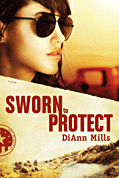
Sworn to Protect by DiAnn Mills

It is time for a FIRST Wild Card Tour book review! If you wish to join the FIRST blog alliance, just click the button. We are a group of reviewers who tour Christian books. A Wild Card post includes a brief bio of the author and a full chapter from each book toured. The reason it is called a FIRST Wild Card Tour is that you never know if the book will be fiction, non~fiction, for young, or for old…or for somewhere in between! Enjoy your free peek into the book!

You never know when I might play a wild card on you!


Today’s Wild Card author is:


and the book:


Sworn to Protect (Book #2 in Call of Duty series)

Tyndale House Publishers, Inc. (March 4, 2010)

***Special thanks to Mavis Sanders, Corporate Publicist, Tyndale House Publishers for sending me a review copy.***

ABOUT THE AUTHOR:

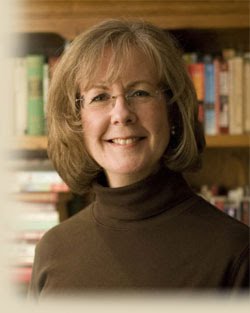
Award-winning author DiAnn Mills is a fiction writer who combines an adventuresome spirit with unforgettable characters to create action-packed novels. DiAnn’s first book was published in 1998, and she currently has more than 40 books in print, with combined sales of over one million copies. In 2009, Tyndale House introduced Breach of Trust, Book #1 in her Call of Duty series about women with dangerous occupations. Six of her anthologies have appeared on the CBA best-seller list. Eight of her books have been nominated for the American Christian Fiction Writers’ book-of-the-year contest, and she is the recipient of the Inspirational Reader’s Choice award for 2005 and 2007. Lightning and Lace was a 2008 Christy Award finalist.

DiAnn is a founding board member for American Christian Fiction Writers and a member of Inspirational Writers Alive; Romance Writers of America’s Faith, Hope, and Love chapter; and the Advanced Writers and Speakers Association. She speaks to various groups and teaches writing workshops around the country. DiAnn is also a mentor for Jerry B. Jenkins’s Christian Writers Guild. DiAnn and her husband live in Houston, Texas.

Visit the author’s website.

Product Details:

List Price: $12.99
Paperback: 400 pages
Publisher: Tyndale House Publishers, Inc. (March 4, 2010)
Language: English
ISBN-10: 1414320515
ISBN-13: 978-1414320519

AND NOW…THE FIRST CHAPTER:
We are truly a nation of immigrants.
But we are also a nation of laws
. . . Brent Ashabranner


McAllen, Texas

The Rio Grande was not just murky. It was toxic. Danika Morales respected the river’s temperament—lazy and rushing, crystal and muddy, breathtaking and devastating. To many illegal immigrants, its flowing water signified hope and an opportunity for a better tomorrow, while others viewed the river crossing as a means of smuggling drugs or spreading terrorism. But for Danika, the depths meant death, and it didn’t discriminate among its victims. That was why she chose a Border Patrol badge and carried a gun.

Shortly after the 8 a.m. muster, Danika snatched up the keys to the Tahoe assigned to her for the next ten hours and checked out an M4. A hum of voices, most with Hispanic accents and clipped with occasional laughter, swirled around the station. A labyrinth of sights and sounds had succeeded in disorienting her. A daze.

She took a sip of the steaming coffee in hopes no one saw how the day’s date affected her. Her hands shook. The twelfth of July. The second anniversary of Toby’s murder. She thought she could handle it better than this, but the raw ache still seared her heart.

“Tough day for me too,” Jacob whispered beside her. “We can get through this together.” The familiar tone of voice, as in many times before, nearly paralyzed her. Jacob sounded so much like his brother.

She stood shoulder to shoulder with her brother-in-law and glanced at his muscular frame and the silver streaks in his closely cropped hair, everything about him oddly different from Toby. Gone were the gentleness, the patience, and the outstretched arms of love.

“Thanks. But I’m all right.”

He frowned, a typical expression. “Well, I’m not, and you shouldn’t be either.”

She was in no mood to rile him today. “I miss Toby every minute of the day, but we have to move on. He would have wanted it that way.”

“Not till his murderer is found.” Jacob’s jaw tightened. “I’m disappointed in you.”

Danika took another sip of the hot coffee, burning her tongue. Caustic words threatened to surface and add one more brick to the wall dividing them. “I want the killer found too. I’m committed to it. I think about him every day and mourn for our daughter, who will never know her daddy. But I choose not to spend my time harboring hate and vengeance.”

“You must not have really loved my brother.”

The words cut deep, as Jacob must have known they would. No woman could have loved Toby like she did. “I refuse to be browbeaten by you anymore. Your hate is going to explode in your own backyard one day.” She stopped herself before she lit a match to his temper. Actually, she’d rather have been dropped in the bush for the next ten hours with a shotgun and a can of OFF! than argue with him. But the time had come to distance herself from Jacob.

“Hey, Danika,” an agent called, “do these belong to you?”

She turned to see wiry Felipe Chavez carrying a vase with a huge bouquet of roses. They remembered. She swallowed a chunk of life. “Oh, guys, you didn’t have to do this.”

Felipe made his way toward her. The other agents hushed; then one of them started to clap. She smiled through the tears as he handed her the clear glass vase. The sweet fragrance no longer reminded her of death, but of life and her resolve to live each day in a way that commemorated Toby’s devotion to her and their little daughter. Perhaps this was what the two-year marker meant.

She took the roses and studied the small crowd of agents. Good men, all of them—even Jacob.

“We cared about what happened to Toby too,” Felipe said with a grim smile.

Danika brushed her finger around one of the delicate petals and formed her words. Memories had stalked her like a demon since last night. “Don’t know what to say except thank you. Toby was a soldier for his own cause, and he spent his life doing what he believed in. Just like all of us.”

One agent shook his head, frowned, and left the room. Far too many explanations for his disapproval raced through her mind. But Danika needed to put the ugliness behind her.

She set the flowers on the long table in front of her. “Today is the second anniversary of Toby’s death. All of you have looked after me and my daughter, especially during holidays and special occasions. His death is why I’m more dedicated than ever to help protect the border.” She paused, sensing her emotions rushing into chaos. “I appreciate your remembering him and the sacrifice he made, especially since his beliefs were controversial.” Enough said.

She took a deep, cleansing breath. “I brought doughnuts.”

And they were buttermilk, Toby’s favorite.

She glanced at Jacob, hoping to end the tension between them. How Barbara could stay married to him was beyond her comprehension. He treated her and their four kids like yesterday’s trash.

Danika wound through the crowd of agents, greeting those who offered condolences and others who offered a good-morning.

The field operations supervisor, Agent Oden Herrera, stood in front of the flags—the U.S., Homeland Security, and the Border Patrol. Pushing the emotions of regret and grief about Toby aside, Danika captured the supervisor’s attention. “During the muster you said intel had picked up a cocaine drop last night?”

Herrera walked to a wall map and pointed. “Like I said earlier: arrested seven men and two women right along here, your area. A kid had a small bag of cocaine on him. Most likely a deterrent. The drug smuggler either hid it before being apprehended, or he’s still waiting for someone to pick him up. Dogs have been out there most of the night, but Barnett and Fire-Eater are headed that way in a few minutes.”

Danika finished her coffee and made her way into the stifling heat and stopped by Jon Barnett’s truck. As Fire-Eater’s handler, he had everyone’s admiration, and the Belgian sheepdog had a reputation for being the best of the K-9s. Barnett snapped on the dog’s leash and waved.

“I hear we’re working the same area today.” Danika refrained from patting Fire-Eater. Some days he wasn’t people friendly. After seeing the dog in action a few times when he’d found drug runners, she sometimes felt sorry for those he brought down.

Barnett grinned and wiped the sweat already beading on his face. “He’s a good dog, Morales. Just needs a little help with his people skills.” He laughed, his freckles deepening in the intense sun. “And he’s great with the wife and kids. Like another member of the family.” He pulled out his keys. “Do you want to talk? We have a few minutes.”

All she really wanted was for the day to be over. Talking increased the chances of liquid emotion—which was more lethal than the river flowing between the U.S. and Mexico. “No thanks. I’m fine.”

“Do you need to talk?”

“It’s been two years.” Therapeutic or not, she would not open up, even to a sweet guy like Barnett. She’d spent hours building a reputation as a tough agent, and she wasn’t about to take a nosedive now.

“Right, and the sooner you admit that today has crept up on you worse than a case of food poisoning, the better you’ll feel.”

She had to agree. “Have you turned psychologist?”

“Fire-Eater and five kids taught me all I know.”

“I had a dog when I was a kid,” she said, looking for any subject except Toby. “Gentle, sensed my moods, smart. My best friend. Sure missed him when he was gone.” Danika blinked back a tear, despising her reaction. She stared at Fire-Eater rather than look into Barnett’s face.

“I bet he slept at the foot of your bed.”

Fire-Eater climbed into the backseat of the double-cab truck.

“Sometimes in it. We even shared meals. I didn’t like meat, and he’d eat it for me.”

“Who’s your best friend now?”

She swallowed the ever-increasing lump in her throat. “Toby’s gone, and I have a tough time in church.”

“Confession is a beginning. Any family?”

“Toby’s family has been good to me.” Never mind Jacob. “My folks never approved of my marriage.” She sucked in a breath. It hissed like the poisonous snakes she feared. “Well-meaning friends do this to me.”

“Do you feel any better?”

Sneak. “Yeah, thanks, doc. You—”

Fire-Eater barked. No doubt anxious to get moving. The animal and Jacob had similar personalities, but today she’d rather be with the dog.

* * *

Danika turned off Old Military Road and bounced along a narrow dirt and gravel path, bordered by tall, thick grass and brush and laden with prickly pears on the Rio Grande side and more thick brush on the other. Jon had radioed ahead and reported signs from last night, but nothing new. Every agent was on alert. Trouble brewed along the entire two-thousand-mile border between Mexico and the United States. Drug cartels were slaughtering innocent people in the streets, and those on the U.S. side feared it was only a matter of time before the fighting spilled over the line. Not on her watch.

She drove slowly past the few houses perched on the right side of the road, most of which had been stash houses at one time or another, havens for illegal aliens and drug smugglers. She stopped the truck beside a well-worn trail to look for recent signs in the dirt. After a generous spray of mosquito repellent on her uniform and hands, she stepped into the stifling ninety-degree heat and bent to study the hours-old footprints indicating where the illegals had gained access into Texas before being apprehended. Most of them only wanted an opportunity to better themselves, but others had a darker agenda. At least she hoped the footprints had been accounted for.

A breeze from the north fanned her face and offered a brief reprieve from the unrelenting sun. The tall grass with its thick growth waved as though mocking her commitment to the Border Patrol.

Fifteen minutes later, Barnett radioed a call for assistance.

“Spotted a man wearing a backpack near the 112 sensor. He headed into the carrizo.”

Danika ran back to the truck and raced her vehicle toward Barnett’s location. She wanted to tell him to wait for backup and not search through the thick grass alone, but she knew Barnett and Fire-Eater were a team and stayed on the traffic. The smuggler probably hid on a rattler’s nest.

She was the first to respond to Barnett’s request. Pulling in behind his truck, she unclipped her HK from her belt while radioing her arrival. She grabbed her cell phone and dialed his number.

“Barnett, I’m here,” she said. “Tell me you’re not in the middle of the carrizo.”

He chuckled. “Fire-Eater’s after him. I’m skirting it. Neither one of us is coming out until we have our man.”

She pocketed her cell phone and followed the agent’s footprints on the dusty road until they disappeared into the thicket. Hot as it was, the Kevlar vest felt good, even if it was worthless against a stab wound or a shotgun blast.

Fire-Eater barked, snapping Danika’s attention toward the riverbank. The dog growled from somewhere in the depths of the overgrowth.

Gunfire cracked in the still morning air. Alert to the danger, she pulled her weapon.

“This is the United States Border Patrol! Come out with your hands up!” Barnett’s voice roared.

Another shot fired. Fire-Eater yelped.

Blood pumping, Danika yanked out her radio. “Shots fired. Shots fired. Agent or K-9 may be down.”

Two more shots pierced the air.

When Barnett didn’t respond, she clicked the radio in place on her belt. “Barnett,” she yelled, “tell me you’re all right.”

Nothing.

A dark-haired man emerged from the right side of the road several yards away, wearing a backpack that no doubt contained drugs. His attention scattered in different directions.

“Alto, o disparo,” she said.

The man turned and fired at her before racing across the road. The bullet angled to her left. Danika returned the fire and sank a bullet into his thigh. He fell, and she raced toward him.

“Drop the gun, or I’ll be forced to shoot again.”

He kept his fingers wrapped around it. She wrestled with the rage that always seemed to lie below the surface of her control. If she killed him, she could claim self-defense. But her job title meant self-control.

“I said drop the gun.” She fired above him and kept running in his direction.

He lifted his hand and aimed. Instinctively she pumped a bullet into his hand. His wound caused a burst of blood to splatter the ground and the quiet air to echo with obscenities. Still he refused to release the hold on his gun.

“Do you want your whole hand blown off?” She stood over him and clamped her booted foot over his injured hand.

He screamed, and she pointed her firearm at his face. Danika trembled. She wasn’t a murderer, but anger did struggle to rule her emotions.

“You’ll pay for this,” the man said. “I know who you are, and there’s a contract out for you.”

“You aren’t the first or the last to threaten me.” She picked up the man’s gun, an older model Beretta. With his leg and hand bleeding, he wasn’t going anywhere. She slipped the handcuffs from her belt and clamped them on his wrists. Rolling him over, she brushed his bleeding leg against the hard ground, and he moaned. Where was backup? Please, let Barnett be okay. Five kids. A respected agent.

“The drug cartels will destroy the Border Patrol.”

“Big talk for a man in handcuffs.”

“You wait and see who wins.” He spit on her boot. “You’ll never find out who killed your husband.”

She smothered the gasp that nearly stole her breath. How did the man know her? know about Toby’s death? He clearly had inside information—information that couldn’t have been obtained easily. Unless Toby’s murder was related to something bigger than she had imagined.

Focus. Now was not the time to weigh the shooter’s words. Later she’d look into it.

Her gaze searched the area. An outstretched arm poked through the overgrowth where the downed man had attempted to cross the road. She hurried, gun raised, eyes taking in every inch of the brush. As she grew closer, she saw the rest of Barnett’s body sprawled on the trodden grass. Blood soaked the ground, creating a small puddle of red against the vibrant green. Danika bent to his side.

Barnett moaned. “He shot Fire-Eater,” he whispered. “Get him.”

“I have him cuffed. Hold on. Help’s coming.” She pulled out the radio. “Need EMS. Agent down.”

She hadn’t been there for Toby, but she could be there for Barnett.

MY REVIEW:

The second installment of DiAnn Mills’ Call of Duty Series, Sworn to Protect is a fast paced page turner that kept me up past my bedtime. There just didn’t seem to be a good place to stop reading. This book has everything I look for in a suspense novel – great characters, intense situations, believable plot, enough twists and surprises to keep me guessing, and just maybe a little romance for good measure.

Sworn to Protect gives the reader an up close and personal look at the illegal immigrant problem along the Texas and Mexico border and the agents who patrol it. Ms. Mills examines every aspect of the problem from the violent Mexican drug cartels to the immigrants who just want a better way of life for their families to the people who get rich by taking advantage of the illegals. The picture she paints is not a pretty one but through her characters she asks some pertinent questions about immigration.

I am afraid I will give away too much if I attempt to tell more about Sworn to Protect. Just let me say that it is one of the best suspense novels I have read in quite awhile and that I look forward to the next episode of this series.

She Walks in Beauty by Siri Mitchell

This week, the
Christian Fiction Blog Alliance
is introducing
She Walks in Beauty

Bethany House
(April 2010)

by
Siri Mitchell


ABOUT THE AUTHOR:

Siri Mitchell graduated from the University of Washington with a business degree and worked in various levels of government. As a military spouse, she has lived all over the world, including in Paris and Tokyo. Siri enjoys observing and learning from different cultures. She is fluent in French and loves sushi.

But she is also a member of a strange breed of people called novelists. When they’re listening to a sermon and taking notes, chances are, they’ve just had a great idea for a plot or a dialogue. If they nod in response to a really profound statement, they’re probably thinking, “Yes. Right. That’s exactly what my character needs to hear.” When they edit their manuscripts, they laugh at the funny parts. And cry at the sad parts. Sometimes they even talk to their characters.

Siri wrote 4 books and accumulated 153 rejections before signing with a publisher. In the process, she saw the bottoms of more pints of Ben & Jerry’s than she cares to admit. At various times she has vowed never to write another word again. Ever. She has gone on writing strikes and even stooped to threatening her manuscripts with the shredder.

ABOUT THE BOOK:

For a young society woman seeking a favorable marriage, so much depends on her social season debut. Clara Carter has been given one goal: secure the affections of the city’s most eligible bachelor.

Debuting means plenty of work–there are corsets to be fitted, dances to master, manners to perfect. Her training soon pays off, however, as celebrity’s spotlight turns Clara into a society-page darling.

Yet Clara soon wonders if this is the life she really wants. Especially when she learns her best friend has also set her sights on Franklin De Vries.

When a man appears who seems to love her simply for who she is and gossip backlash turns ugly, Clara realizes it’s not just her marriage at stake–the future of her family depends on how she plays the game.

If you would like to read the first chapter of She Walks in Beauty, go HERE.

Learn more about Siri and her books on her Website.

MY REVIEW:

She Walks in Beauty is a fascinating look at a bygone era of New York City, an age where the extravagance and opulence of high society starkly contrasted with daily life of the common man. Mitchell paints a vivid portrait of Clara Carter, a young woman forced to debut a year early to “catch” the De Vries heir in order to vindicate her family’s honor. Filled with details of everything a young debutante endured to meet the expectations of her family and the demands of society, the narrative illustrated the extreme importance of outward beauty to those who dictated the rules of society.

Clara’s unwilling entrance into society is filled with drama and humor as she endeavors to learn how to conduct herself and please her aunt and father. As the season progresses, dark secrets are revealed that leave Clara questioning the wisdom of continuing to pursue “the heir”, a man she doesn’t like, particularly when compared to his younger brother Harry.

I truly enjoyed She Walks in Beauty and found many of the historical details intriguing. Of particular note was the barbaric custom of using corsets to reduce the waist size to unnatural proportions at great risk to a woman’s health. I am so thankful we are past those days.

She Walks in Beauty is an enjoyable read for anyone who loves historical fiction. I highly recommend it.

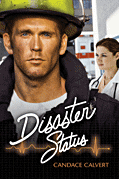
Disaster Status by Candace Calvert

It is time for a FIRST Wild Card Tour book review! If you wish to join the FIRST blog alliance, just click the button. We are a group of reviewers who tour Christian books. A Wild Card post includes a brief bio of the author and a full chapter from each book toured. The reason it is called a FIRST Wild Card Tour is that you never know if the book will be fiction, non~fiction, for young, or for old…or for somewhere in between! Enjoy your free peek into the book!

You never know when I might play a wild card on you!


Today’s Wild Card author is:


and the book:


Disaster Status (Book #2 in Mercy Hospital series)

Tyndale House Publishers, Inc. (March 4, 2010)

***Special thanks to Mavis Sanders of Tyndale House Publishers, Inc. for sending me a review copy.***

ABOUT THE AUTHOR:

Candace Calvert is an ER nurse who landed on the “other side of the stethoscope” after the equestrian accident that broke her neck and convinced her that love, laughter—and faith—are the very best medicines of all. The inspirational account of her accident and recovery appears in Chicken Soup for the Nurse’s Soul and launched her writing career. The author of a madcap cruise mystery series in the secular market, Candace now eagerly follows her heart to write Christian fiction for Tyndale House. Her new medical drama series, launched with Critical Care in 2009, offers readers a chance to “scrub in” on the exciting world of emergency medicine, along with charismatic characters, pulse-pounding action, tender romance, humor, suspense—and a soul-soothing prescription for hope. Born in northern California and the mother of two, Candace now lives in the Hill Country of Texas.

Visit the author’s website.

Product Details:

List Price: $12.99
Paperback: 352 pages
Publisher: Tyndale House Publishers, Inc. (March 4, 2010)
Language: English
ISBN-10: 1414325444
ISBN-13: 978-1414325446

AND NOW…THE FIRST CHAPTER:

Fire captain Scott McKenna bolted through the doors of Pacific Mercy ER, his boots thudding and heart pounding as the unconscious child began to stiffen and jerk in his arms. He cradled her close as her small spine arched and her head thumped over and over against his chest. “Need help here. Seizure!”


“This way.” A staff person beckoned. “The code room. Someone page respiratory therapy stat!”

Scott jogged behind a trio of staff in green scrubs to a glassed-in room, laid the child on a gurney, and stepped back, his breath escaping in a rush of relief. He swiped a trickle of sweat from his forehead and tried to catch a glimpse of the girl’s face. He’d swept her up too fast to get a good look at her. Now, with merciful distance, Scott’s heart tugged. Six or seven years old with long black braids, frilly clusters of hair ribbons, little hoop earrings, she looked disturbingly pale despite her olive skin. Her dark eyes rolled upward, unfocused, as the ER team closed in to suction her airway, start oxygen, and cut away her flowered top and pants.

The alarms of the cardiac monitor beeped as a technician attached gelled electrodes to her tiny chest. Thankfully, the seizure ended, although saliva—foamy as a salted garden snail—still bubbled from her parted lips.

Scott inhaled slowly, the air a sour mix of illness, germicidal soap, and anxious perspiration. He thought of his nephew, Cody, lying in a pediatrics bed two floors above.

The ER physician, a vaguely familiar woman, gestured to a nurse. “Get an IV and pull me some labs. I’ll need a quick glucose check and a rectal temp. Let’s keep lorazepam handy in case she starts up again. What’s her O2 saturation?”

“It’s 98 percent on the non-rebreather mask, Dr. Stathos.”

Leigh Stathos. Golden Gate Mercy Hospital. Scott nodded, recognizing her—and the irony. She left San Francisco. I’ve applied for a job there . . . and everywhere else.

“Good. Now let’s see if I can get a medic report.” Dr. Stathos whirled to face Scott, her expression indicating she was trying to place him as well. Her gaze flickered to his badge. “Oh yes. McKenna. Didn’t recognize you for a second there. So what’s the history? And where’s the rest of your crew? Are they sending you guys out solo now?”

“No. But no crew. And no report. I was here as a visitor, until some guy waved me down in the parking lot. I took one look at this girl and decided to scoop and run.” Scott nodded toward a woman crying near the doorway. “That could be family. They were in the truck with her.”

“Seizure history?”

“Don’t know. My Spanish isn’t the best. I think they said ‘sick’ and ‘vomiting,’ but—”

One of the nurses called out for the doctor. “She’s starting to twitch again. IV’s in, and the blood glucose is good at 84. No fever. How much lorazepam are you going to want? She weighs about 20 kilos.”

Dr. Stathos moved back to the gurney. “We’ll start with one milligram slowly. But let me get a look at her first, listen to her lungs, and check her eyes.” She looked up as a blonde nurse appeared in the doorway. “Yes, Sandy?”

“Sorry, Doctor. I couldn’t get much, but her name’s Ana Galvez. Six years old. No meds, no allergies, and no prior seizure history. I think. There’s a language barrier, and I don’t have an official interpreter yet. But thought you should know I’ve got a dozen more people signing in for triage, all with gastric complaints and headaches. The parking lot’s full of farm trucks, and—” She stopped as the child began a second full-blown seizure.

Two respiratory therapists rushed through the doorway.

Scott tensed. A dozen more patients? Then his Spanish was good enough to have understood one last thing the terrified family had said before he took off running with their child: “Hay muchos más enfermos”—There are many more sick people.

He glanced back at the child convulsing on the gurney. What was going on?

+++

Muscle it. Punch through it. Control it. Be bigger than the bag.

Erin Quinn’s fist connected in one last spectacular, round-winning right hook, slamming the vinyl speed bag against the adjacent wall. And causing a tsunami in her grandmother’s goldfish tank. Water sluiced over the side.

“Whoa! Hang on, buddy. I’ve got you.” She dropped to her knees, steadying the tank with her red leather gloves. Everything she’d done in the last six months was focused on keeping Iris Quinn safe, secure, and happy, and now she’d nearly KO’d the woman’s only pet.

Erin watched the bug-eyed goldfish’s attempts to ride out the wave action. She knew exactly how he felt. Her own situation was equally unsettling: thirty-one and living with her grandmother and a geriatric goldfish named Elmer Fudd in a five-hundred-square-foot beach house. With two mortgages and a stubborn case of shower mold. She caught a whiff of her latest futile bout with bleach and grimaced.

But moving back to Pacific Point was the best option for her widowed grandmother, emotionally as well as financially. Erin was convinced of that, even if her grandmother was still skeptical . . . and the rest of the family dead set against it. Regardless, Erin was determined to put the feisty spark back in Nana’s eyes, and she had found the change surprisingly good for herself as well. After last year’s frustrating heartaches, being back in a house filled with warm memories felt a lot like coming home. She needed that more than she’d known.

Erin tugged at a long strand of her coppery hair and smiled. The fact that her grandmother was down at the chamber of commerce to inquire about volunteer work was proof they were finally on the right track. Meanwhile, she had the entire day off from the hospital. March sunshine; capris instead of nursing scrubs; time to catch up with her online course work, jog on the beach, and dawdle at the fish market with her grandmother.

She turned at the sound of her cell phone’s Rocky theme ring tone, then struggled, teeth against laces, to remove a glove in time to answer.

She grabbed the phone and immediately wished she hadn’t. The caller display read Pacific Mercy ER. “Yes?”

“Ah, great. We caught you.”

“Not really,” Erin said, recognizing the relief charge nurse’s voice and glancing hopefully toward the door. “In fact, I was just heading out.”

“Dr. Stathos said she’s sorry, but she needs you here. Stat. We’ve got kind of a mess.”

Mess? Erin’s breath escaped like a punctured balloon. In the ER, a mess could mean anything. All of it bad. She’d heard the TV news reports of a single-engine plane crash early this morning, but the pilot had been pronounced dead on the scene, and there were no other victims. The hospital shouldn’t be affected. Then . . . “What’s going on?”

“Eighteen sick farm workers,” the nurse explained, raising her voice over a cacophony of background noise. “Maybe a few more now; they keep coming in. We’re running out of gurneys, even in the hallway.”

“Sick with what?” Erin asked. The sheer number of patients qualified as a multicasualty disaster, but only if it were a motor vehicle accident, an explosion, or a similar tragedy.

“Dr. Stathos isn’t sure. But she’s thinking maybe food poisoning. They’re all from the same ranch. Everyone’s vomiting, and—”

“It’s a real mess,” Erin finished, sighing. “I got that part. But how come the ambulances are bringing them all to us? Dispatch should be sending some to Monterey.”

“They’re not in ambulances. They’re arriving in work vehicles. A couple of guys were even sprawled out on a flatbed truck. They’re lucky no one rolled onto the highway. The police are at the ranch investigating, but meanwhile we’re overwhelmed. And of course the media got wind of it, so now we have reporters showing up. You know how aggressive they get. I’m sorry, but I feel like I’m in over my head with this whole thing.”

The nurse was new at taking charge, and Erin remembered how scary that felt when things went south in the ER. Monday shifts were usually fairly tame, but this sounded like . . . “Tell the nursing supervisor I’m on my way in and that we’ll probably need to go on disaster status and . . . Hold on a second, would you?” She yanked off her other glove and strode, phone to her ear, toward the miniscule closet she shared with her grandmother. “Close the clinic and use that for overflow. Get security down there to help control things, the chaplain too. And see if the fire department can spare us some manpower.”

Erin pulled a set of camouflage-print scrubs from a hanger, then began peeling off her bike shorts with one hand. “I’ll get there as soon as I can. Just need to take a quick shower and leave my grandmother a note.” And kiss my free day good-bye?

No, she wasn’t going to think that way. As a full-time charge nurse, the welfare of the ER staff was a huge priority. Besides, Leigh Stathos wouldn’t haul her in on her day off if it weren’t important. Erin had dealt with far worse things. Like that explosion at the day care center near Sierra Mercy Hospital last year. In comparison, food poisoning wasn’t such a big deal, even two dozen cases. Messy, yes. Life-altering, no. Central service would find more basins, she’d help start a few IVs, they’d give nausea meds and plenty of TLC, and they’d get it all under control.

“No problemo,” she murmured as she hung up, then realized the inarticulate phrase was pretty much the extent of her Spanish. She made a mental note to be sure they had enough interpreters. Interpreters, basins, more manpower, and a full measure of TLC to patients—and her staff. That should do it.

Ten minutes later she snagged an apple for the road, wrote Nana a note, and stowed her boxing gloves on the rack beneath the TV. She wouldn’t need battle gear for this extra stint in the ER. And then she’d be back home. In a couple of hours, tops.

+++

When Erin turned in to the hospital parking lot, she realized she’d forgotten her name badge. Good thing security knew her. Her eyes widened as she approached the ambulance entrance. She braked to a stop, her mouth dropping open as she surveyed the scene at the emergency department’s back doors: four dusty and battered trucks—one indeed a flatbed—at least three news vans, a fire truck, an ambulance, and several police cars. She quickly put the Subaru in park, then opened her door and squinted up at the sky. Oh, c’mon, was that a helicopter? A plane crash wasn’t big enough news today?

Several nurses stood outside the doors holding clipboards and dispensing yellow plastic emesis basins to a restless line of a least a dozen patients in long sleeves, heavy trousers, and work boots. Including one elderly man who seemed unsteady on his feet as he mopped his forehead with a faded bandanna. A young uniformed firefighter paramedic, the husband of their ER triage nurse, was also helping out. Good, Erin’s request for extra manpower had been accepted.

Reporters in crisp khakis and well-cut jackets leaned across what appeared to be a hastily erected rope-and-sawhorse barricade. It was manned by a firefighter in a smoke-stained turnout jacket with the broadest shoulders she’d ever seen. And an expression as stony as Rushmore.

Erin locked the car, grabbed her tote bag, and jogged into the wind toward the barricade, trying to place the daunting firefighter. Tall, with close-cropped blond hair, a sturdy jaw, and a rugged profile. He turned, arms crossed, to talk with someone across the barricade, so she couldn’t see all of his face. But he wasn’t a full-time medic; she knew them all. An engine company volunteer? Maybe, but she hadn’t met him. She was sure of that. Because, even from what little she’d seen, this man would have been memorable. Her face warmed ridiculously as she slowed to a walk.

But her growing curiosity about his identity was a moot point. There wasn’t time for that now. She needed to slip between those sawhorses, hustle into the ER, touch base with the relief charge nurse, brainstorm with Leigh Stathos, and see what she could do to help straighten out this mess.

Erin stopped short as the big firefighter turned abruptly, blocking her way. “Excuse me,” she said, sweeping wind-tossed hair from her face as she peered up at him. Gray. His eyes were granite gray. “I need to get past you. Thanks. Appreciate it.” She attempted to squeeze by him, catching a faint whiff of citrusy cologne . . . mixed with smoke.

“Don’t thank me. And stop right where you are.” He stepped in front of her, halting her in her tracks. There was the slightest twitch at the corner of his mouth. Not a smile. He crossed his arms again. “No one can come through here. Those are the rules. And I go by the book. Sorry.”

By the book? As if she didn’t have policies to follow? Erin forced herself to take a deep breath. Lord, show me the humor in this. Called to work on her day off and then denied access. It was funny if you thought about it. She tried to smile and managed a pinched grimace. This was about as funny as the mold in her shower. She met his gaze, noticing that he had a small scar just below his lower lip. Probably from somebody’s fist.

“I work here, Captain . . . McKenna,” Erin explained, reading the name stenciled on his jacket. “In fact—” she patted the left breast pocket of her scrubs, then remembered her missing name badge—“I’m the day-shift charge nurse. But I forgot my badge.”

“I see,” he said, uncrossing his arms. He pointed toward the trio of reporters leaning over the barricade. “See that reporter over there—the tall woman with the microphone and bag of Doritos? Ten minutes ago she pulled a white coat out of one of those news vans and tried to tell me she was a doctor on her way to an emergency delivery. Premature twins.”

“But that’s unbelievable. That’s—”

“Exactly why I’m standing here,” the captain interrupted. “So without hospital ID or someone to corroborate, I can’t let you in.”

Her jaw tightened, and she glanced toward the ER doors. “One of your paramedics is back there somewhere; Chuck knows me. He’s married to my triage nurse. Find him and ask him.”

McKenna shook his head. “Can’t leave this spot.”

“Then call.” Erin pointed to the cell phone on his belt. “Better yet, ask for Dr. Leigh Stathos. Tell her I’m here. She’ll verify my identity. The number is—”

“I’ve got it,” he said, lifting his phone and watching her intently as he made an inquiry. He gave a short laugh. “Yes. A redhead in what looks like Army fatigues . . . Ah, let’s see . . . green eyes. And about—” his gaze moved discreetly over her—“maybe five foot nine?”

Erin narrowed her eyes. What was this, a lineup?

The captain lowered the phone. “Your name?”

“Erin Quinn,” she said, feeling like she should extend her hand or something. She resisted the impulse.

“Hmm. Yes,” he said into the phone. “I see. Okay, then.” He cleared his throat and disconnected the call.

She looked at him. “Did you get what you needed?”

“Well,” he said, reaching down to detach the rope from a sawhorse, “it seems you’re who you say you are. And that I shouldn’t expect a commendation for detaining you. Apparently it’s because of your request that I’m here. Not that I wanted to be. I still have men out on the plane crash, but . . .” He hesitated and then flashed the barest of smiles. Though fleeting, it transformed his face from Rushmore cold to almost human. “Go on inside, Erin Quinn. You’re late.” His expression returned to chiseled stone. “And for what it’s worth, I’m sorry. But that’s the way this has to work.”

“No problemo.” Erin hitched her tote bag over her shoulder and stepped through the barricade. Then she turned back. “What’s your first name, McKenna?”

“Scott.”

She extended her hand and was surprised by the warmth of his. “Well, then. Good job, Scott. But going by the book isn’t always the bottom line. Try to develop a little trust, will you? We’re all on the same team.”

Twenty minutes later, Erin finished checking on her staff and rejoined Leigh Stathos in the code room. They both looked up as the housekeeping tech arrived at the doorway.

“You wanted these?” Sarge asked.

“Yes. Great. Thank you.” Erin nodded at the tall, fortysomething man wearing tan scrubs, his brown hair pulled back into a short ponytail and arms full of plastic emesis basins. “Put those in the utility room, would you? And I think we could use some extra sheets and gowns too. If you don’t mind.”

His intense eyes met hers for an instant before glancing down. “Yes, ma’am, double time.”

Erin smiled at Sarge’s familiar and somber half salute, then watched him march away, his powerful frame moving in an awkward hitch to accommodate his artificial leg. She returned her attention to Leigh and the dark-eyed child on the gurney beside them. The ventilator, overriding her natural breathing, whooshed at regular intervals, filling the girl’s lungs. “She had two seizures but none before today?”

“Looks that way.” The ER physician, her long mahogany hair swept back loosely into a clip, reached down and lifted the sheet covering the child. “But see how her muscles are still twitchy? And her pupils are constricted. I’ll be honest: I don’t like this. The only thing I know for sure is that the X-ray shows an aspiration pneumonia. Probably choked while vomiting on the truck ride in. I’ve started antibiotics. Art’s coming in,” she added, referring to the on-call pediatrician. “And I paged the public health officer.”

“Good.” Erin’s brows scrunched. It was puzzling; an hour after arrival, Ana Galvez remained unresponsive, her skin glistening with perspiration. Though Leigh had inserted an endotracheal tube and the child was suctioned frequently, she was still producing large amounts of saliva. Her heart rate, barely 70, was surprisingly slow for her age. She’d had several episodes of diarrhea. Poor kid. What happened to you?

Erin glanced toward the main room of the ER, grateful things appeared to be settling down out there. “I still don’t get this, though. Ana came from home? Not the ranch where everybody got sick?”

“Yes, but—” Leigh fiddled with the stethoscope draped across the shoulders of her steel gray scrub top—“she’d been there earlier. Felt sick after lunch and her father took her home.”

“So that goes right back to the food. But salmonella takes time. Still, the symptoms fit. Triage says most of the patients are complaining of headache, nausea, cramps, and diarrhea.” Erin checked the monitor: heart rate 58. Why so slow? “What did they eat?”

Leigh sighed. “Sack lunches. Every one different. That doesn’t fit at all. I wanted it to be huge tubs of chicken stew that everyone shared. That would make sense. But Sandy’s seen twenty-six patients in triage now, and the story from everybody sounds the same: picking strawberries since 6 a.m., lunch together around eleven, and—”

“I’m sorry to interrupt, but something’s . . . wrong.” Erin and Leigh turned at the sound of the triage nurse’s voice at the doorway.

Erin’s eyes widened. The triage nurse looked awful—pale, sweaty, teary-eyed. Sandy was holding her hand to her head, trembling. What happened?

Before she could ask, Sandy’s eyelids fluttered and her knees gave way.

MY REVIEW:

Disaster Status is a riveting and realistic drama that brings the world of the ER to life on its pages. Charge nurse Erin Quinn and firefighter Scott McKenna’s first encounter during a disaster response got them started off on the wrong foot. As they continue to work together, they fight their mutual attraction but find themselves drawn irresistibly closer. Each of them have personal issues with trust and commitment that are caused by unresolved family conflict and feelings of guilt. Will they be able to forgive themselves and others? Can they learn to trust God again? What about the possibility of a future together? These and other questions can be answered by picking up a copy of Disaster Status for yourself.

Sixteen Brides by Stephanie Grace Whitson

This week, the
Christian Fiction Blog Alliance
is introducing
Sixteen Brides
Bethany House (April 2010)
by
Stephanie Grace Whitson


ABOUT THE AUTHOR:

A native of southern Illinois, Stephanie Grace Whitson has lived in Nebraska since 1975. She began what she calls “playing with imaginary friends” (writing fiction) when, as a result of teaching her four home schooled children Nebraska history.

She was personally encouraged and challenged by the lives of pioneer women in the West. Since her first book, Walks the Fire, was published in 1995, Stephanie’s fiction titles have appeared on the ECPA bestseller list numerous times and been finalists for the Christy Award, the Inspirational Reader’s Choice Award, and ForeWord Magazine’s Book of the Year.

Her first nonfiction work, How to Help a Grieving Friend, was released in 2005. In addition to serving in her local church and keeping up with two married children, two college students, and a high school senior, Stephanie enjoys motorcycle trips with her family and church friends.

Her passionate interests in pioneer women’s history, antique quilts, and French, Italian, and Hawaiian language and culture provide endless story-telling possibilities.

ABOUT THE BOOK:

In 1872, sixteen Civil War widows living in St. Louis respond to a series of meetings conducted by a land speculator who lures them west by promising “prime homesteads” in a “booming community.”

Unbeknownst to them, the speculator’s true motive is to find an excuse to bring women to the fledgling community of Plum Grove, Nebraska, in hopes they will accept marriage proposals shortly after their arrival! Sparks fly when these unsuspecting widows meet the men who are waiting for them.

These women are going to need all the courage and faith they can muster to survive these unwanted circumstances–especially when they begin to discover that none of them is exactly who she appears to be.

If you would like to read the first chapter of Sixteen Brides, go HERE.

MY REVIEW:

Sixteen Brides is an exceptional account of a group of Civil War widows who were persuaded to join The Emigration Society by promises of their own homesteads in Nebraska. Upon arrival at their destination, the women learned that Mr. Drake, the organizer of their expedition, had taken payment from waiting bachelors and promised them wives. This is where the story gets interesting. Several of the widows decide to take the easy way out and accept the security of a husband. The rest of the women refuse to agree and are determined to follow their original plans. From this point on the book is primarily focused on these remaining widows and several other specific characters.

While detailing many of the obstacles and difficulties faced by the widows, Sixteen Brides relates the determination, courage and strength of character that enabled them to survive and thrive in their new environment. Sprinkled with drama, action, humor, romance, and spiritual truth, the story captured my interest from beginning to end. One resounding message delivered by Sixteen Brides is that we shouldn’t judge a person by first impressions or outward appearance.