How to Interpret Dreams and Visions by Perry Stone

It is time for a FIRST Wild Card Tour book review! If you wish to join the FIRST blog alliance, just click the button. We are a group of reviewers who tour Christian books. A Wild Card post includes a brief bio of the author and a full chapter from each book toured. The reason it is called a FIRST Wild Card Tour is that you never know if the book will be fiction, non~fiction, for young, or for old…or for somewhere in between! Enjoy your free peek into the book!

You never know when I might play a wild card on you!


Today’s Wild Card author is:


and the book:


How to Interpret Dreams and Visions

Charisma House (May 3, 2011)

***Special thanks to Anna Coelho Silva | Publicity Coordinator, Charisma House | Charisma Media for sending me a review copy.***

ABOUT THE AUTHOR:


Perry Stone is the best-selling author of numerous books, including The Meal That Heals and Breaking the Jewish Code. He directs one of America’s fastest-growing ministries, The Voice of Evangelism. An international evangelist, Perry holds a BA in theology from Covenant Life Christian College. He lives in Cleveland, Tennessee, with his wife, Pam, and their two children.

Visit the author’s website.

SHORT BOOK DESCRIPTION:

Is God Trying to Tell You Something?
Have you ever had a dream or vision that was so vivid that it remained with you for days? It is possible that your dream had a spiritual connotation and your vision was a message from God.

In How to Interpret Dreams and Visions, best-selling author and evangelist Perry Stone explains the guidance and warnings encrypted in our visions and dreams. With his unique blend of Bible knowledge and spiritual insight he provides answers to questions such as…

Is my dream really from God?How do I distinguish between types of spiritual visions?Why am I having nightmares or unclean dreams?· What do my dreams of a departed loved one mean?

Product Details:

List Price: $15.99
Paperback: 256 pages
Publisher: Charisma House (May 3, 2011)
Language: English
ISBN-10: 161638350X
ISBN-13: 978-1616383503

AND NOW…THE FIRST CHAPTER:

The Last Days— Time to Pierce the Veil

But their minds were blinded. For until this day the same veil remains unlifted in the reading of the Old Testament, because the veil is taken away in Christ. But even to this day, when Moses is read, a veil lies on their heart. Nevertheless when one turns to the Lord, the veil is taken away. Now the Lord is the Spirit; and where the Spirit of the Lord is, there is liberty.

-2 Corinthians 3:14–17

The spirit world is as real as the air we breathe and the water we drink. The natural realm is a reflection of the spirit world. Earthly things are patterned after heavenly things. (See Hebrews 8:1–5.) Our world consists of trees, rivers, mountains, and cities. The heavenly city, New Jerusalem, has the tree of life, the crystal river of life, and a mountain where God is worshiped called Mount Zion (Rev. 22:1–5). These heavenly realities were the original Creation that was reflected on Earth when God created man. Humanity has struggled to believe in a world that cannot be seen with the eyes, touched with the hands, or smelled when we breathe.

To the skeptic, angels are myths, and demonic spirits are the dark imagination of Hollywood scripts. The prevailing attitude is the Thomas syndrome, which says, “Unless I can see it and touch it, I will never believe it” (John 20:25, author’s paraphrase). The fact is that there is an invisible veil covering both the natural eyes and the spiritual understanding of men and women, and only when the veil is lifted or pierced can the realities of the invisible realm become visible. The Bible is a book written by forty different authors over a period of about fifteen hundred years of time that tells the story of men called prophets who were inspired of the Lord and who pierced this veil and saw marvelous eternal and heavenly images that brought to mankind the revelation of God.

Paul wrote that there is a veil, similar to scales, over the eyes of our understanding that clouds the light of God’s revelation from entering into our minds and enlightening us with life-changing insight. If we live behind this veil, then we will never know or experience God’s best for us. This veil, which at times manifests as a lack of interest in spiritual matters, a dullness in our understanding, or a spirit of unbelief toward the idea of Bible-based spiritual manifestations, must be lifted to experience the unseen. This ability to see the future was the gift that set apart the biblical prophets from their false counterparts in surrounding idolatrous nations. These Hebrew visionaries had a reputation for knowing the unknown behind closed doors.

One such example can be seen when a Syrian general sent his army to capture one of God’s prophets, Elisha. When Elisha’s servant saw the army, fear gripped him. However, after Elisha prayed for the eyes of his servant to be opened, the fear turned to faith as the servant saw horses and chariots of fire encamped round about them both, forming a protective hedge. (See 2 Kings 6:8–17.) There is a covering of some sort on our physical eyes, which prevents us from seeing the activity of the spirit world. However, when we sleep, we are still able to see images through dreams or visions. In Scripture, men like the apostle John recorded these dreams and visions. John was on an island when he suddenly saw a “door in heaven open,” or as we would say, “heaven open,” and this opening projected his mind and spirit into another world, a world just as real as the world we live in. (See Revelation 4:1; 19:11.) These two biblical incidents from Revelation indicate two important facts: something occurs on Earth and something occurs in heaven to cause information to be released and the veil removed. On Earth our eyes must be “opened.” This happens when our inner vision, which creates the images in our brain at night, receives information from the heavenly realm, which “opens,” allowing eternal information to pass from the heavenly realm to the earthly realm.

One question posed by sincere seekers is: “Why would God be concerned about revealing events to us that have not yet occurred?” A simple answer is that He does so to prepare us for something or to cause us to intercede in prayer to prevent or to change a situation.

For example, when King Hezekiah was informed by Isaiah to set his house in order because he would soon die, the king began to earnestly pray, and his death was delayed for fifteen years (Isa. 38:1–5).

Another reason God is concerned is because He knows we need to understand certain events in the future.

Why is the Spirit World Veiled?

Human eyes cannot see into the spirit world. God is a Spirit (John 4:24). Angels are spirits (Heb. 1:13–14). Satan’s kingdom is organized into four levels of spirit rebels (Eph. 6:12), and every man is a tripartite creation of a body, a soul, and a spirit, or, as some teach, a spirit with a soul living in a body (1 Thess. 5:23).

In the time of Adam and Eve, God entered the Garden of Eden and communicated directly with man by walking through the garden in the cool of the day (Gen. 3:8). Adam and Eve could see and hear God clearly. After they fell into sin, “the eyes of both of them were opened,” and they saw they were naked and felt shame (Gen. 3:7). Although their eyes were opened, at the same time their eyes were veiled. From that moment forward, angelic visitors appeared in the form of a vision, a dream, or would take upon themselves human form, just as the two angelic messengers did when instructed by the Almighty to investigate the sins of Sodom. (See Genesis 19.) Even the writer of Hebrews wrote to be careful when entertaining a stranger because you might not be aware that it is an angel (Heb. 13:2).

If our eyes could be opened and the veil lifted, we would continually see angels, demonic entities, and other forms of spirit beings. While some may wish to see into the invisible realm, the fact is that when great men of God and Hebrew prophets have pierced this veil and seen, for example, angels in their full glory, the reactions have normally been to fall down and be gripped with an overwhelming feeling of fear. Abraham fell into a deep trance (Gen. 15:12) and fell on his face when God talked to him (Gen. 17:3, 17). Ezekiel describes seeing the Almighty upon His throne, with cherubim and amazing heavenly beings appearing like wheels spinning within wheels (Ezek. 1), and he too fell upon his face (v. 28). In several instances when a vision of God or the angelic realm manifested, the prophet fell down upon his face (Ezek. 9:8; 43:3; 44:4). Daniel described an angelic visitor with brass-colored arms and feet, white hair, a gold belt, and eyes like fire. His reaction was so visibly powerful that even the men with him who did not see the vision became overwhelmed and began “quaking” and fled, hiding themselves (Dan. 10:5–7, kjv). Daniel found himself on his face with no strength remaining in his body (vv. 8–9). When John saw the resurrected Christ in heaven, he “fell at His feet as dead” (Rev. 1:17). Even Balaam’s donkey fell down when it saw an angel of the Lord (Num. 22:27)!

When the veil is lifted and a mere mortal taps into not just a vision or dream, but into the actual unseen world of angels, demons, heaven, or hell, the human body is unable to sustain the glory of the heavenly realm without responding in some manner. If we could live with our spiritual eyes continually opened, I suggest we would never get any work done and would be continually disrupted in our sleep.

Scripture instructs believers to “walk by faith, not by sight” (2 Cor. 5:7). I cannot physically see God, but I believe in God because of the Bible’s evidence and because I have faith that undergirds my confidence in the Word. With my human eyes I am unable to spot an angel flying through the heavens or a cosmic conflict between warring angels and prince spirits called the “spiritual hosts of wickedness in the heavenly places” (Eph. 6:12). However, because my inner being is also a “spirit,” I can at times sense or feel the presence of the Lord, the warmth and peace of an angel, or the dark oppressive wicked spirits that are in my earth zone. To pierce the curtain of the unseen, a believer must be in tune to that particular realm of spiritual activity.

When my seventy-seven-year-old father was praying for my twenty year-old son, who was kneeling before him at Dad’s small home in Tennessee, with tears in his eyes my father said to Jonathan, “There is a future.” He was encouraging his grandson not to just live for the moment but to discover, plan, and prevail for his future, which the Lord has already laid out for him and his little sister. At that moment I realized that this is what life is really all about—the future. When God laid out a detailed plan for man’s redemption from sin, He prepared the details long before Adam fell. Jesus is called “the Lamb slain from the foundation of the world” (Rev. 13:8). When Christ was praying before His death, He said that God had loved Him from “before the foundation of the world” (John 17:24). God planned a future for all of mankind before Adam and Eve were created and fell into sin!

Once man sinned, God Himself released the first prophecy by predicting that the seed of the woman would bruise the head of the serpent (Gen. 3:15). God spoke this about four thousand years before Mary gave birth to the Messiah (Luke 2). After Cain slew his brother, Abel, God wasted no time in replacing Abel with Adam and Eve’s new addition to the family, a son named Seth who would initiate a nine-generation lineage of righteous men, leading up to tenth man from Adam, Noah. (See Genesis 5.) God continually has your future on His mind and in His purpose

The Almighty’s passion for the future is also witnessed in the fact that God thinks generationally. When God established His covenant through Abraham, He was planning that Abraham’s descendants would become a nation. First God promised Abraham a son and to make a “great nation” from Abraham’s children (Gen. 12:2). Years later God predicted that Abraham would be “a great and mighty nation” (Gen. 18:18). Years passed, and then God visited Abraham’s grandson Jacob, changing his name from Jacob to Israel. God enlarged His promise by saying to Jacob, “A nation and a company of nations shall proceed from you” (Gen. 35:11). After the nation of Israel expanded from seventy souls to more than six hundred thousand men of war (Exod. 1:5; 12:37), the Lord announced that the nation would be “blessed above all peoples” (Deut. 7:14). From one simple individual, Abraham, to seventy souls who went into Egypt under Joseph, in four hundred years the nation grew to six hundred thousand men marching through the Red Sea and on to the millions of Jewish people now in the world. God was beginning the preparations for one large family called the children of Israel when He was making covenant with one man—Abraham! This is why God changed Abram’s name (meaning “father”) to Abraham, meaning “father of many” (Gen. 17:5). Israel began with a dream and a vision!

Securing confidence and boldness for the future is so significant to the Almighty that He allowed men to enter into the dream dimension and receive vital knowledge for themselves, for their leaders, or for the nations in which they were given authority. A few examples of significant dreams that altered situations, set destinies, or brought prophetic knowledge are:

. God warned King Abimelech with the threat of death if he didn’t return Sarah to Abraham (Gen. 20:6–7).

. God confirmed in a dream for Jacob to leave Laban, taking his wives and sons to Canaan (Gen. 31).

. God prepared Joseph’s future by giving him two prophetic dreams when he was a teenager (Gen. 37).

. God allowed Joseph to interpret the dreams of the butler and the baker while in prison (Gen. 40).

. Joseph interpreted both dreams of Pharaoh and prepared for a seven-year famine (Gen. 41).

. It was the “barley cake dream” that gave Gideon confidence to fight the Midianites (Judg. 7).

. God appeared to Solomon in a dream, granting his request for the gift of wisdom (1 Kings 3).

. Daniel was the only man in Babylon capable of interpreting the dream of the metallic image (Dan. 2).

. Daniel later interpreted Nebuchadnezzar’s “tree dream,” predicting the downfall of the king (Dan. 4).

. Daniel experienced a major prophetic dream of world empires symbolized by wild beasts (Dan. 7).

Nearly six thousand years of human history have demonstrated that just because God plans a person’s future, it is no guarantee that opposition will not eclipse the light of the revelation. There is a plan by the kingdom of darkness to distract, disrupt, and destroy the future, both God’s prophetic plan and your personal destiny. Each person is said to have a “destiny,” which is simply your future according to God. Just as God revealed to Jeremiah that He foreknew him when he was still in his mother’s womb and that He preordained him to be a prophet (Jer. 1:5), God has a predetermined plan for each person. With all of the clutter and clamor and mixed voices speaking into our lives, our minds can become cloudy and our understanding fogged with numerous possibilities from which we must choose. This is why at times God will permit a believer to pierce the world of the natural and enter the realm of a dream or a vision so that secret strategies of the enemy can be exposed and the hidden plans of God can be revealed. Warnings that are perceived and received can help you avoid potholes and pits in your path to destiny, and understanding God’s plan will empower you to pursue that purpose.

The disrupting of God’s will in our lives can begin at a very early age. During major prophetic cycles and seasons of prophetic fulfillment, children come under severe attack from the adversary. This was seen when Pharaoh ordered the male infants born to the Hebrews to be cast into the Nile River (Exod. 1:22). The time was coming when a deliverer would bring the Hebrews out of Egypt, and the adversary was no doubt attempting to preempt the prophecy by killing the possible male child deliverer before he could become a man! The second assignment of an evil ruler was when Herod commissioned Roman soldiers to encircle the area of Ramah and kill all male children who were under two years of age, attempting to slay the future king of the Jews that the wise men came to worship (Matt. 2).

From a personal perspective, if we survive our birth and live to be teenagers, other battles begin. When he was a teenager (age seventeen), a plot was organized against Joseph by his own brothers (Gen. 37). They were sick of this dreamer, Daddy’s favorite little spoiled boy, running around with an expensive coat! Joseph was doing well until he began to confess his dreams of success that would come to him. At that point his brothers conspired against him, and Joseph ended up in a pit, then in a prison, and spent thirteen years in what seemed negative, dream-killing circumstances.

I was a young teenager when the Lord began to reveal to me His will and I began planning for it. I encountered various types of verbal persecution from my own spiritual brothers in the same denomination of which I was a member. When David—just a teen—was anointed by Samuel as the next king “in the midst of his brothers,” jealousy arose among certain brothers much older who may have felt they deserved the position more than their kid brother (1 Sam. 16:13; 17:28).

When I was a teenager, the Holy Spirit inspired me to organize a ministry called Voice of Evangelism when I had only preached in three states. Ministers said, “Perry isn’t the voice of anything, much less of evangelism.” They were correct from the natural perspective but wrong in the Spirit. The Lord had a future for me! At age eighteen I formed a “7-Point Outreach Plan” that included a ministry outreach through books, revival meetings, magazines, and other forms of branching out. Then I began overhearing statements like: “Who does he think he is, Billy Graham or Oral Roberts?” Without sounding arrogant, I knew something these other men did not know. I had a small glimpse into the future. I had both heard and seen in my spirit and through dreams and prayer that I would be used of the Lord to one day have a worldwide ministry Thus, once you see your future, you can learn how to hold off the adversity and know why there is opposition against your destiny!

Watch out for that girl!

When my father, Fred Stone, was a young, black-haired teenage minister, he met a very attractive girl about his age who was gifted in playing the piano and singing. Of course, the common belief was that if you were a minister, your wife needed to be a singer or musician. The girl took a liking to him. However, Dad had a dream in which he saw this girl coming out of a barn embracing a young man. He realized the girl was having relations with this boy. He heard a voice say, “I have warned you; have nothing to do with that girl.” Dad said that after this dream, the girl tried to get close to him in friendship; he would say hello but go no further. Even Dad’s uncle, a noted minister, rebuked Dad for not expressing more interest in such a talented young girl. But three months later the girl’s father told Dad’s uncle he was glad Dad had not formed a relationship with his daughter, because she was pregnant out of wedlock by a fellow she knew.

When I was the same age as my father, a similar situation was repeated in my life. I was eighteen years of age, traveling from church to church conducting weekly revivals. At one location, a family I knew with a daughter about my age wanted me to go out with her to eat. My policy was to only go out with a group of young people and avoid going out alone with the opposite sex. Soon she began to speak to friends that she was serious about me and thought our friendship could lead to eventual marriage. At the same time I dreamed that she was pregnant. In the dream the Lord told me to avoid her. The same week, three noted ministers spoke to me in confidence and said, “You must be careful around this girl. There is something not right about her.” I sent word to her through a friend not to have any contact with me again. One month later it was confirmed that she was pregnant, and she married the father of the child shortly thereafter. Years later she and her mother came to hear me minister in a church and asked to speak with me. Her mother, a very godly woman, required her to apologize to me for plotting to pull me into her situation without my knowledge. The girl said, “I was hoping you would suddenly fall in love with me and marry me before anyone knew I was pregnant with this man’s baby.”

In both cases, more than twenty-six years apart, the same type of snare was laid for Dad and me. By following the same type of dreams and inward warnings, we both avoided missing the will of God and entering into a situation that would have been not only questionable but also embarrassing and detrimental to our early ministries. These illustrations reveal how strategies are set to disrupt God’s purposes, but God is concerned about the details of our personal lives because circumstances affect our destiny!

Often when we think of a spiritual dream we envision a visitation that warns us of national calamity or an international warning on the same level as what the Old Testament prophets received when warning the priests and the kings of coming calamity. However, God has indicated in Scripture that He is concerned for each individual and not just for the collective population of a nation. Christ revealed that the Father watched a sparrow fall to the ground and saw the lilies in the field grow (Matt. 10:29; Luke 12:28), and if the Almighty is concerned for the smallest in His creation, how much more is His concern manifested toward man, who is made in His image (Gen. 1:26).

The Need to Know

The understanding of the Book of Daniel was sealed “until the time of the end,” when “knowledge shall increase” (Dan. 12:4). Numerous prophecies are assigned to occur in the “time of the end,” a term used in the Book of Daniel five times (Dan. 8:17; 11:35, 40; 12:4, 9). Other predictions will unfold in the “last days,” a phrase coined to identify the time frame prior to the return of the Messiah, listed five times in the New Testament (Acts 2:17; 2 Tim. 3:1; Heb. 1:2; James 5:3; 2 Pet. 3:3). The final outpouring of the Holy Spirit will occur in the “last days” (Acts 2:17) and includes sons and daughters prophesying and experiencing visions and dreams. Among this final generation there is a need-to-know attitude about their future and destiny.

This need to know is obvious when one considers the millions of dollars spent by sincere yet uninformed individuals on fortune-tellers, astrologers, séances, and psychics. According to the Pew Forum for Religion and Public Life, “about 1 in 7 Americans consulted a psychic or fortune teller in 2009.”1 The only reason these false prophets of greed are consulted is to determine the hidden and the unseen and to know in advance the person’s future. Why should the body of Christ sit back and refuse to tell this generation to seek God for His direction, when the adversary will provide a horoscope for that purpose? There is a human need to know, and our knowledge for redemption can be found in the Bible—as well as the guide for practical living found in those inspired Scriptures. However, there are times we are uncertain concerning personal and national decisions that can be seen and understood through visions and dreams.

However, the invisible veil must be pierced in the mind and in the understanding. This begins with the “dream factor.”


MY REVIEW:

In How to Interpret Dreams and Visions, Perry Stone offers a wealth of information on the title topic. This book is filled with personal anecdotes, scriptural references, and practical advice as well as an appendix with definitions of certain objects often found in dreams and how they might used to interpret them. Stone explains the reasons God would choose to speak to his children through dreams and visions and offers suggestions on how that can be accomplished. He also lists reasons that might prevent hearing from the Lord clearly.

How to Interpret Dreams and Visions is well written and arranged in a manner that makes it easy to find specific topics. Several chapters cover issues not normally covered in books of this genre; however these topics complement the more familiar themes.  While this book is not and does not claim to be an all inclusive study of the subject, it should be a welcome addition to the library of those interested in dreams and visions.

He Said, She Said by Eddie Jones & Cindy Sproles


This week, the
Christian Fiction Blog Alliance
is introducing
He Said, She Said

Lighthouse Publishing (February 14, 2011)

by
Eddie Jones and Cindy Sproles


ABOUT THE AUTHORS:

Eddie Jones and Cindy Sproles are the cofounders of Christian Devotions Ministries. Their He Said, She Said devotions are syndicated in a number of newspapers across the eastern seaboard and they host the weekly He Said, She Said Radio, Friday nights at 6:00 p.m. est. on Blog Talk Radio. Eddie and Cindy are popular speakers and teachers at Writers Conferences across the country.

Eddie is the author of five non-fiction books and his newest fiction release, The Curse of Captain LaFoote, a middle grade book. While Cindy is the author of one non-fiction and two compilations.

Together they teach writing with WritersCoach.us. Eddie and Cindy have been writing the He Said, She Said devotions since 2008, taking one scripture weekly and looking at it from two perspectives–His and Hers, with the idea that learning more about scripture from two perspectives helps one to delve deeper in God’s word and know Him better.

ABOUT THE BOOK:

He Said, She Said: A Devotional Guide to Cultivating a Life of Passion, or How Newlyweds, Couples and Singles Can Draw Closer to God and Their Mate Through Daily Devotions

Do you sense something vital missing from you relationship with your spouse, children and God? Are you easily distracted by the busyness of life and left feeling drained, bored, and discouraged? Do you sense you were meant to enjoy the richness of life, but spend your days feasting on crumbs? This heart-warming collection of stories (54 in all) will inspire you to reach for the true source of joy: a life lived for and through God.

These deeply personal (and sometimes humorous) devotions offer biblical insights and spiritual truths from the unique perspective of one man and one woman. Learn to cultivate a life of passion. Perfect for your quiet time, these moments of meditative reflection illustrate the importance of allowing God to work within you and speak through you. No matter if you are newlyweds or newly retired, this book of devotions will help you put the spark back into your love life and explore the precious relationships God desires for you. He Said, She Said touches the heart, tickles the funny bone and brings you to your knees in worship.

If you would like to read an excerpt from He Said, She Said, go HERE.

Watch the book video:

Cindy and Eddie are not only good friends of mine, but a regular source of my spiritual renewal. It’s a great idea, the he-said/she-said concept and I always enjoy their devotionals. Both are not only grounded spiritually, and super nice people but they both keep me laughing. It’s that humor and heart that makes the spiritual more relatable in the most practical sense.

~Gina Holmes, author of Crossing Oceans~


I’ve know Eddie Jones and Cindy Sproles for a few years. Each has a way of tickling my funny bone, so I wondered what a devotional book by them would be. I can heartily recommend it. The humor is there, but it’s coupled with deep truths that go straight to the heart of the problem. You’ll find a path that winds closer to God through He Said, She Said.

~Ane Mulligan, Editor of Novel Journey~

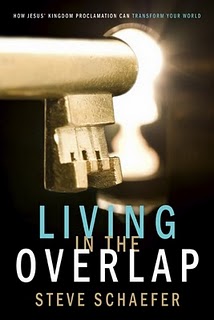
Living in the Overlap by Steve Schaefer


MY REVIEW:

For anyone who has ever wondered “There must be more than this” about the Christian life, Steve Schaefer has just the book for you. Living in the Overlap examines what the Bible has to say about the Kingdom of God in both the old and new testaments, especially what Jesus had to say about it. With an abundance of scripture references, quotes from many theologians, and his own personal experiences, Schaefer helps us to understand just what is meant by the Kingdom of God and how it should affect the life of Christians today as we wait for the final coming of Christ when he will usher in the  fulfillment of His new testament kingdom promises.

Living in the Overlap is fairly easy to read with a conversational tone that should appeal to most readers. The well documented facts and an extensive section of end notes should satisfy the scholars among us. Schaefer made several excellent points that should challenge every Christian on how we can best be about the work of bringing Christ’s kingdom to those around us. I know he gave me plenty to consider.

This book was provided for review by Glass Road Public Relations.


ABOUT THE BOOK:

Did Jesus already establish His kingdom on earth? ” Living in the Overlap explores the challenges and benefits of living in a kingdom that is both “already” and “not yet.” If you want a deeper understanding of Jesus’ kingdom message, and if you want to explore the kingdom’s implications for your life today, let this provocative and enlightening book be your guide.

The kingdom of God was the central message of Jesus, yet so few Christians understand what it means to live in that kingdom. Many of us think of the kingdom of God arriving with the second coming, but Steve Shaefer asserts that Jesus already established His kingdom on earth. Some of the blessings from the coming kingdom are available to us now, while we live in the overlap between the establishment of the kingdom and when it comes to its fullness. Those blessings can help us walk by faith, deal with temptation, and love others.

ABOUT THE AUTHOR:

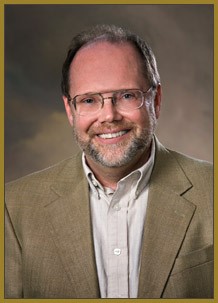
Because of his fascination with Scripture and its message, Steve Schaefer has repeatedly explored the land of the Bible. His experiences include hot-air ballooning over eerie Cappadocian rock formations in Turkey, trekking through the ancient “rose red” city of Petra in Jordan, sloshing through Hezekiah’s serpentine aqueduct in Israel, and scaling Jebel Musa (traditionally identified as Mount Sinai) in Egypt. But he now invites readers to embark on a different kind of biblical adventure in his new book, Living in the Overlap: How Jesus’ Kingdom Proclamation Can Transform Your World.

Steve holds a Master of Arts degree in Biblical Studies from Regent University’s School of Divinity. He has traveled the globe as a Managing Producer in the International Programming Department of CBN WorldReach, and is a popular speaker and teacher.

The Daniel Fast Made Delicious by John and Ann Marie Cavazos

It is time for a FIRST Wild Card Tour book review! If you wish to join the FIRST blog alliance, just click the button. We are a group of reviewers who tour Christian books. A Wild Card post includes a brief bio of the author and a full chapter from each book toured. The reason it is called a FIRST Wild Card Tour is that you never know if the book will be fiction, non~fiction, for young, or for old…or for somewhere in between! Enjoy your free peek into the book!

You never know when I might play a wild card on you!


Today’s Wild Card authors are:


and the book:


The Daniel Fast Made Delicious: The simple fruit and vegetable fast that will nourish you

Siloam (January 4, 2011)

***Special thanks to Anna Coelho Silva | Publicity Coordinator, Book Group | Strang Communications for sending me a review copy.***

ABOUT THE AUTHORS:

John and Ann Marie Cavazos created these recipes while serving on the staff of their Central Florida church when they realized that people were simply starving on carrot sticks every time the church held a Daniel Fast, instead of enjoying the variety of delicious, healthy foods that were originally intended to be part of this ancient eating plan.

SHORT BOOK DISCRIPTION:

A cookbook on the topic of fasting may sound like an oxymoron, but this eating plan modeled in the biblical account of the life of Daniel, often called a Daniel Fast, is actually loaded with fresh, delicious, health-promoting foods. The Daniel Fast Made Delicious includes more than 175 recipes, many of which are 100 percent gluten free and dairy free. Filled with easy instructions, simple steps, spiritual inspirations, and interesting food facts and figures, these Daniel Fast recipes are as nourishing to the soul as they are to the body.

Product Details:

List Price: $17.99
Paperback: 224 pages
Publisher: Siloam (January 4, 2011)
Language: English
ISBN-10: 1616381809
ISBN-13: 978-1616381806

AND NOW…THE FIRST CHAPTER:

Introduction


Dear fellow Daniel Fasters:

This recipe book is not like anything else you’ve seen before. A recipe book for a fast—seems like an oxymoron, doesn’t it? I mean, isn’t the point of a fast not to eat? Well, in this case the Daniel fast is about what you can eat. The Daniel fast is a unique fast—taken from the biblical account in Daniel 1:8–21 where Daniel and his three Hebrew friends ate only vegetables and drank water for ten days. Our favorite part is verse 8, which reads, “But Daniel purposed in his heart that he would not defile himself with the portion of the king’s delicacies…” This is indicative of the kind of man Daniel was—a man of purpose!

Our goal here is not to talk about fasting, per se, or give you tons of supporting scriptures. If you have prepared and purposed to fast, then you probably already know these things or have read about them in books far more poignant than ours. Rather, this book seeks to give you options, and more of them, as you embark on this unique fast known as the Daniel fast.

The incarnation of this recipe book began in response to our congregation complaining that they didn’t know what else to eat besides lettuce and carrots when embarking on a Daniel fast. This told us that, number one, people didn’t know much about vegetables, and number two, they probably didn’t eat many vegetables! In addition, we found them spending more time bored with the lack of variety of food and less time focusing on why they were fasting. We decided to present recipes that would help them spend less time concerning themselves with what they shouldn’t eat and more time deciding what they could prepare for their families. Thus, The Daniel Fast Made Delicious was birthed!

Back in 2004, during one of our Daniel fasts, we felt frustrated because we really wanted to see people enjoy the fast and benefit from eating fruits and vegetables. We were walking around a lake near our home when the Lord popped an idea into Ann Marie’s spirit. She heard the word “Pumpkin Lasagna.” She had no idea what that was, but the Lord told her He would show her how to prepare that and other healthy dishes using only vegetables and fruits.

A journey of learning began where we educated ourselves about vegetables— we shopped and prepared and ate things we never dreamed we would eat. We did a lot of experimenting—sometimes hit, sometimes miss—and we loved it, our kids loved it, and what’s more, our family and friends loved it! We began preparing healthy dishes made only with vegetables and inviting our family and friends over to share in the fun. It quickly became apparent our signature dish would be Annie’s Pumpkin Lasagna (chapter 2), since everyone loved it. The rest is history!

Now, the idea is not for you to eat more—you’re on a fast, so you’re supposed to eat less. Use these recipes to make the most of the food you are eating during your fast, but turn your plate down for one or two meals as you feel God leads—and only if your health permits. Please consult your doctor before making any changes to your diet.

The idea behind this recipe book is simply to educate you and to give you more healthy choices for you and your family as you embark on the Daniel fast. Those of you with spouses or family members who are not joining you on the fast will find this book invaluable. For those of you with children who are not fasting or who are picky eaters, there are some wonderful recipes in this book that will allow you to keep to the fast and also feed your family and not skip a beat when it comes to flavor! All of the Daniel fast recipes in Section 1 are wheat, gluten, and dairy free as well as vegan! In addition, the ingredients used in all of these recipes are organic—we encourage you to use organic whenever possible. If this is not possible, we encourage you to use a fruit and vegetable

wash on all nonporous fruits and vegetables. Additionally, with all of these recipes we use cold pressed extra-virgin olive oil because studies have shown that olive oil offers protection against heart disease by controlling LDL (bad) cholesterol levels while raising HDL (good) levels. For further information, see www .healingdaily.com/detoxification-diet/olive-oil.htm. Why cold pressed? Cold-pressed oil is produced with the use of a low heat technique, which keeps the flavor, nutritional value, and color of the oil. Although it is more expensive it is also of higher quality. For further information, see www.wisegeek.com/what-is -cold-pressed-oil.htm. One last comment: we like a lot of garlic and cilantro in our food, and our recipes reflect this. Feel free to adjust the amount of garlic or cilantro in any of the recipes in this book to suit your family’s tastes.

People tend to think that to eat healthy means to eat yucky—not so. The secret is in how you season and prepare your food. These healthy recipes will not only show you different kinds of foods you might not have thought about before, but they also give you some great ideas on how to season and prepare your meals. It’s all about choices, and the more informed you are, the more choices you’ll have. After the fast is over, don’t run out and get fast food! In Section 2 we have included dozens of healthy recipes so you can transition from the Daniel fast to making healthy eating a lifestyle! In addition, the pasta dishes are wheat and gluten free.

Medical studies now confirm that a large percentage of the health problems in America are digestive related. According to the website Digestive System Disorders, digestive issues for the most part cause a number of diseases, such as colon, rectal, and stomach cancer; diarrhea; diverticular disease; digestive tract gas; heartburn; hepatitis; inflammatory bowel disease; irritable bowel syndrome; lactose intolerance; and stomach and duodenal ulcers. According to a recent article written on digestive disorders:

The function of the digestive system is to take the food and liquids that we put into our mouths and then either turn these foods and liquids into nutrients or energy needed by the cells of our body, or alternatively turn them into waste products that are then expelled by our body as bowel movements. When something goes wrong with this everyday process and some part of the process doesn’t work properly, the end result is one kind or another of a digestive system disorder. There are many common digestive system disorders.

In fact, almost any natural health practitioner will tell you that food, good or bad, plays a definitive part in your health. The Daniel fast is a wonderful way to begin a life of good eating and good health. When we started doing the Daniel fast many years ago in our church, we started at the beginning of the year, around January 7, and for the next twenty-one days we consumed vegetables, fruit, and water—only! We did the fast for a number of reasons. First of all, turning your plate down and using that time to spend with the Lord is always a good thing. Second, after the holidays, most of us had abused food so much with all the celebrating we had done that we actually looked forward to the fast. Third, after a few years, a number of our members began to experience the benefit of the fast, because not only did we lose weight but also we felt better. Symptoms our bodies had manifested—such as heartburn, diarrhea, and irritable bowel syndrome—began to disappear. (NOTE: These recipes should never be used in place of physician-prescribed medications or medical procedures prescribed by your doctor for any and all medical conditions.)

Back in 1999, after we had moved from New York to Florida, our girls, who were six and eight at the time, seemed to always be getting colds, runny noses, ear infections—something anyone with children knows something about. I grew tired of taking them to the doctor every so often just to have the doctor give them another antibiotic. I was sharing my frustrations about this with our dear friend Ruth Chironna. She asked me if I gave our girls cow’s milk. “Of course,” I replied. “What else is there to give them?” She told me to get them off of it and introduce them to rice milk. I immediately began introducing a little bit of rice milk mixed in with cow’s milk until I had weaned them off of dairy altogether. That was over a decade ago, and I can count on one hand the number of times in the last decade when they’ve been really sick or had really bad colds—and they never had another ear infection. They are now eighteen and twenty and are for the most part extremely healthy! This extended into our food, and before we knew it, we were eating better and going to the doctor a lot less. Do we ever cheat and have that slice of pizza or a burger? Sure! But everything in moderation! Changing our diet to include more vegetables, fruit, no sodas, and more water has significantly altered our lives. We trust that as you employ these changes, starting with the Daniel fast recipes, you will experience the kind of health that God intended for us to enjoy!

Whether you begin the Daniel fast at the beginning of the New Year or want to start it right now, we believe that The Daniel Fast Made Delicious is going to change the way you look at food, the way you prepare food, and the way you feel about food. Get started today! You’re going to love these recipes!

What more can we say but…

Bon appétit!

Buen provecho!

Guten appetit!

MY REVIEW:

The Daniel Fast Made Delicious is a very attractive topical cookbook printed on extra high quality shiny paper with beautiful photographs of some of the featured recipes. Written to help people overcome boredom with their fasts, this book contains a good variety of simple and tasty recipes for dairy-free, gluten-free, and vegan dishes. Scattered throughout are tips about fasting, food preparation, serving suggestions and even one for avoiding gas when eating beans. I have not taken the time to prepare any of these dishes but the recipes and photographs make several of them quite appealing. In my opinion, this book would also be helpful for anyone wanting to prepare vegetarian,  gluten-free, or dairy-free food.

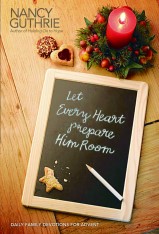
Let Every Heart Prepare Him Room by Nancie Guthrie


MY REVIEW:

Let Every Heart Prepare Him Room is a tiny little devotional for the advent season. Written to help families prepare for Christmas, it contains a daily reading, scriptures and scripture references, discussion questions, a daily prayer, songs, and spaces for notes. The daily readings are simple enough for children to understand and brief enough to hold their attention. The discussion questions are also easily understood but designed to stimulate thoughts and conversation.

Let Every Heart Prepare Him Room would be a good choice for a home school family but others would probably also enjoy it. The only disadvantage I noted was the extremely small type. Some may also object to the price of such a small book.


This book was provided for review by Tyndale House Publishers, Inc.


ABOUT THE BOOK:

How many Christmas mornings have you found your family gathered around the tree with presents beautifully wrapped and a scrumptious feast on the table, but with hearts that have not been prepared to truly take in the wonder of God become human? Not this year. Let Every Heart Prepare Him Room, a family Advent devotional from Bible teacher and mom Nancy Guthrie, is designed to bring your family together during a season that is oftentimes too much about programs and presents, and simply not enough about Jesus. Along with devotions for every day in December, this resource includes explanations of some hard-to-understand aspects of popular Christmas carols, and discussion questions to draw in your elementary through high school-aged kids, transforming this time together from a dry lecture into a treasured family experience.

Read the first chapter of Let Every Heart Prepare Him Room here.

ABOUT THE AUTHOR:

Nancy has written two devotionals: The One Year Book of Hope (also Tyndale), a daily devotional for people who are hurting or grieving, and One Year of Dinner Table Devotions and Discussion Starters. Nancy has a heart for in-depth Bible study, and her books Hoping for Something Better (a study of the book of Hebrews) and Hearing Jesus Speak into Your Sorrow are an outgrowth of that love. Nancy and her husband, David, cowrote When Your Family’s Lost a Loved One. The Guthries have seen God continue to use their loss to minister to other people going through loss in a variety of ways, including serving as cohosts for a new production of the GriefShare video series. GriefShare is a 13-week video curriculum series that is used to facilitate weekly grief groups in more than 6,000 churches nationwide.


Nancy speaks regularly at women’s retreats and evangelistic events nationally and internationally, including recent events at The Brooklyn Tabernacle, Second Baptist Church of Houston, a Ravi Zacharias International Ministries Conference, and a women’s conference in Scotland. Nancy has worked in the Christian publishing industry for over 20 years as a publicist and special project editor. Nancy and her husband, David, and son, Matt, make their home in Nashville, Tennessee, where they attend Christ Presbyterian Church (Presbyterian Church in America).

Everything Christmas by David Bordon and Thomas J. Winters

It is time for a FIRST Wild Card Tour book review! If you wish to join the FIRST blog alliance, just click the button. We are a group of reviewers who tour Christian books. A Wild Card post includes a brief bio of the author and a full chapter from each book toured. The reason it is called a FIRST Wild Card Tour is that you never know if the book will be fiction, non~fiction, for young, or for old…or for somewhere in between! Enjoy your free peek into the book!

You never know when I might play a wild card on you!


Today’s Wild Card authors are:


and the book:


Everything Christmas

WaterBrook Press (October 5, 2010)

***Special thanks to Staci Carmichael, Marketing and Publicity Coordinator, Doubleday Religion / Waterbrook Multnomah, Divisions of Random House, Inc. for sending me a review copy.***

ABOUT THE AUTHORS:

David Bordon and Tom Winters are partners in Bordon-Winters, LLC, a book concept and packaging company that produces successful books and gift products. Their previous titles include the 101 Things You Should Do series, especially the popular 101 Things You Should Do Before Going to Heaven.

Product Details:

List Price: $14.99

Hardcover: 320 pages

Publisher: WaterBrook Press (October 5, 2010)

Language: English

ISBN-10: 030772929X

ISBN-13: 978-0307729293

AND NOW…THE FIRST CHAPTER:


December 1

Let Us Keep Christmas
Grace Noll Crowell

Whatever else be lost among the years
Let us keep Christmas still a shining thing;
Whatever doubts assail us, or what fears,
Let us hold close one day, remembering
It’s poignant meaning for the hearts of men.
Let us get back our childlike faith again.


The History of Christmas

Many of our Christmas traditions were celebrated centuries before the Christ child was born. The twelve days of Christmas, the bright fires, the yule log, gift giving, carnivals, carolers going from house to house, holiday feasts, even church processions can all be traced back to the early Mesopotamians. These traditions were passed down throughout the known world and were popular in Rome long before the birth of Christ.

Most historians say that some three centuries after the birth of Christ, Christianity was spreading rapidly. Church leaders were alarmed that their converts continued to honor the ancient celebrations honoring pagan gods. Early Christians had chosen to keep the birth of their Christ child a solemn and religious holiday, without merriment. For centuries they had forbidden their members to take part in those ancient celebrations. But now it seemed it was a losing battle. As a compromise, they agreed to allow their members to partake in a demure and respectful celebration of the birth of Christ. Thus, the Christian celebration we know as Christmas was born in Rome, near the date 336 AD.

The actual date of Christ’s birth is unknown, so the early Christians chose December 25, probably to compete with the wildly popular Roman festival of Saturnalia. Eventually, most of the customs from the festival of Saturnalia were adopted into the celebration of Christmas and given new and sacred meanings.

Today, Christmas is both a holiday and a holy day. In America, it is the biggest event of the year, celebrated by people of all ages.

Christmas Every Day
William Dean Howells

The little girl came into her papa’s study, as she always did Saturday morning before breakfast, and asked for a story. He tried to beg off that morning, for he was very busy, but she would not let him. So he began:

“Well, once there was a little pig—”

She stopped him at the word. She said she had heard little pig stories till she was perfectly sick of them.

“Well, what kind of story shall I tell, then?”

“About Christmas. It’s getting to be the season.”

“Well!” Her papa roused himself. “Then I’ll tell you about the little girl that wanted it Christmas every day in the year. How would you like that?”

“First-rate!” said the little girl; and she nestled into comfortable shape in his lap, ready for listening.

“Very well, then, this little pig—Oh, what are you pounding me for?”

“Because you said little pig instead of little girl.”

“I should like to know what’s the difference between a little pig and a little girl that wanted Christmas every day!”

“Papa!” said the little girl warningly. At this her papa began to tell the story.

Once there was a little girl who liked Christmas so much that she wanted it to be Christmas every day in the year, and as soon as Thanksgiving was over she began to send postcards to the old Christmas Fairy to ask if she mightn’t have it. But the old Fairy never answered, and after a while the little girl found out that the Fairy wouldn’t notice anything but real letters sealed outside with a monogram—or your initial, anyway. So, then, she began to send letters, and just the day before Christmas, she got a letter from the Fairy, saying she might have it Christmas every day for a year, and then they would see about having it longer.

The little girl was excited already, preparing for the old-fashioned, once-a-year Christmas that was coming the next day. So she resolved to keep the Fairy’s promise to herself and surprise everybody with it as it kept coming true, but then it slipped out of her mind altogether.

She had a splendid Christmas. She went to bed early, so as to let Santa Claus fill the stockings, and in the morning she was up the first of anybody and found hers all lumpy with packages of candy, and oranges and grapes, and rubber balls, and all kinds of small presents. Then she waited until the rest of the family was up, and she burst into the library to look at the large presents laid out on the library table—books, and boxes of stationery, and dolls, and little stoves, and dozens of handkerchiefs, and inkstands, and skates, and photograph frames, and boxes of watercolors, and dolls’ houses—and the big Christmas tree, lighted and standing in the middle.

She had a splendid Christmas all day. She ate so much candy that she did not want any breakfast, and the whole forenoon the presents kept pouring in that had not been delivered the night before, and she went round giving the presents she had got for other people, and came home and ate turkey and cranberry for dinner, and plum pudding and nuts and raisins and oranges, and then went out and coasted, and came in with a stomachache crying, and her papa said he would see if his house was turned into that sort of fool’s paradise another year, and they had a light supper, and pretty early everybody went to bed cross.

The little girl slept very heavily and very late, but she was wakened at last by the other children dancing around her bed with their stockings full of presents in their hands. “Christmas! Christmas! Christmas!” they all shouted.

“Nonsense! It was Christmas yesterday,” said the little girl, rubbing her eyes sleepily.

Her brothers and sisters just laughed. “We don’t know about that. It’s Christmas today, anyway. You come into the library and see.”

Then all at once it flashed on the little girl that the Fairy was keeping her promise, and her year of Christmases was beginning. She was dreadfully sleepy, but she sprang up and darted into the library. There it was again! Books, and boxes of stationery, and dolls, and so on.

There was the Christmas tree blazing away, and the family picking out their presents, and her father looking perfectly puzzled, and her mother ready to cry. “I’m sure I don’t see how I’m to dispose of all these things,” said her mother, and her father said it seemed to him they had had something just like it the day before, but he supposed he must have dreamed it. This struck the little girl as the best kind of a joke, and so she ate so much candy she didn’t want any breakfast, and went round carrying presents, and had turkey and cranberry for dinner, and then went out and coasted, and came in with a stomachache, crying.

Now, the next day, it was the same thing over again, but everybody getting crosser, and at the end of a week’s time so many people had lost their tempers that you could pick up lost tempers anywhere, they perfectly strewed the ground. Even when people tried to recover their tempers they usually got somebody else’s, and it made the most dreadful mix.

The little girl began to get frightened, keeping the secret all to herself, she wanted to tell her mother, but she didn’t dare to, and she was ashamed to ask the Fairy to take back her gift, it seemed ungrateful and ill-bred. So it went on and on, and it was Christmas on St. Valentine’s Day and Washington’s Birthday, just the same as any day, and it didn’t skip even the First of April, though everything was counterfeit that day, and that was some little relief.

After a while turkeys got to be awfully scarce, selling for about a thousand dollars apiece. They got to passing off almost anything for turkeys—even half-grown hummingbirds. And cranberries—well they asked a diamond apiece for cranberries. All the woods and orchards were cut down for Christmas trees. After a while they had to make Christmas trees out of rags. But there were plenty of rags, because people got so poor, buying presents for one another, that they couldn’t get any new clothes, and they just wore their old ones to tatters. They got so poor that everybody had to go to the poorhouse, except the confectioners, and the storekeepers, and the book sellers, and they all got so rich and proud that they would hardly wait upon a person when he came to buy. It was perfectly shameful!

After it had gone on about three or four months, the little girl, whenever she came into the room in the morning and saw those great ugly, lumpy stockings dangling at the fireplace, and the disgusting presents around everywhere, used to sit down and burst out crying. In six months she was perfectly exhausted, she couldn’t even cry anymore.

And now it was on the Fourth of July! On the Fourth of July, the first boy in the United States woke up and found out that his firecrackers and toy pistol and two-dollar collection of fireworks were nothing but sugar and candy painted up to look like fireworks. Before ten o’clock every boy in the United States discovered that his July Fourth things had turned into Christmas things and was so mad. The Fourth of July orations all turned into Christmas carols, and when anybody tried to read the Declaration of Independence, instead of saying, “When in the course of human events it becomes necessary,” he was sure to sing, “God rest you merry gentlemen.” It was perfectly awful.

About the beginning of October the little girl took to sitting down on dolls wherever she found them—she hated the sight of them so, and by Thanksgiving she just slammed her presents across the room. By that time people didn’t carry presents around nicely anymore. They flung them over the fence or through the window, and, instead of taking great pains to write “For dear Papa,” or “Mama “ or “Brother,” or “Sister,” they used to write, “Take it, you horrid old thing!” and then go and bang it against the front door.

Nearly everybody had built barns to hold their presents, but pretty soon the barns overflowed, and then they used to let them lie out in the rain, or anywhere. Sometimes the police used to come and tell them to shovel their presents off the sidewalk or they would arrest them.

Before Thanksgiving came it had leaked out who had caused all these Christmases. The little girl had suffered so much that she had talked about it in her sleep, and after that hardly anybody would play with her, because if it had not been for her greediness it wouldn’t have happened. And now, when it came Thanksgiving, and she wanted them to go to church, and have turkey, and show their gratitude, they said that all the turkeys had been eaten for her old Christmas dinners and if she would stop the Christmases, they would see about the gratitude. And the very next day the little girl began sending letters to the Christmas Fairy, and then telegrams, to stop it. But it didn’t do any good, and then she got to calling at the Fairy’s house, but the girl that came to the door always said, “Not at home,” or “Engaged,” or something like that, and so it went on till it came to the old once-a-year Christmas Eve. The little girl fell asleep, and when she woke up in the morning—

“She found it was all nothing but a dream,” suggested the little girl.

“No indeed!” said her papa. “It was all every bit true!”

“What did she find out, then?”

“Why, that it wasn’t Christmas at last, and wasn’t ever going to be, anymore. Now it’s time for breakfast.”

The little girl held her papa fast around the neck.

“You shan’t go if you’re going to leave it so!”

“How do you want it left?”

“Christmas once a year.”

“All right,” said her papa, and he went on again.

Well, with no Christmas ever again, there was the greatest rejoicing all over the country. People met together everywhere and kissed and cried for joy. Carts went around and gathered up all the candy and raisins and nuts, and dumped them into the river, and it made the fish perfectly sick. And the whole United States, as far out as Alaska, was one blaze of bonfires, where the children were burning up their presents of all kinds. They had the greatest time!

The little girl went to thank the old Fairy because she had stopped its being Christmas, and she said she hoped the Fairy would keep her promise and see that Christmas never, never came again. Then the Fairy frowned, and said that now the little girl was behaving just as greedily as ever, and she’d better look out. This made the little girl think it all over carefully again, and she said she would be willing to have it Christmas about once in a thousand years, and then she said a hundred, and then she said ten, and at last she got down to one. Then the Fairy said that was the good old way that had pleased people ever since Christmas began, and she was agreed. Then the little girl said, “What’re your shoes made of?” And the Fairy said, “Leather.” And the little girl said, “Bargain’s done forever,” and skipped off, and hippity-hopped the whole way home, she was so glad.

“How will that do?” asked the papa.

“First-rate!” said the little girl, but she hated to have the story stop, and was rather sober. However, her mama put her head in at the door and asked her papa:

“Are you never coming to breakfast? What have you been telling that child?”

“Oh, just a tale with a moral.”

The little girl caught him around the neck again.

“We know! Don’t you tell what, papa! Don’t you tell what!”

William Dean Howells (1837—1920)

Best known as an editor and critic, this American fiction writer produced more than forty novels and story collections. He challenged American authors to choose American subjects, portray them honestly, and create characters who use native-American speech. As a critic, he helped to introduce writers like Mark Twain, Hamlin Garland, and Stephen Crane to American readers.

What is Christmas? It is tenderness for the past,

courage for the present, hope for the future.

It is a fervent wish that every cup may overflow

with blessings rich and eternal, and that

every path may lead to peace.

Agnes M. Pharo


Scented Applesauce-Cinnamon
Ornaments

3 cups applesauce
3 cups ground cinnamon

Mix applesauce and cinnamon together until it is thick enough to hold a form. Flatten the mixture on a flat surface and cut into cookie-cutter shapes.

Place cookie shapes on a cookie sheet to dry for 3 to 4 days depending on the size and thickness of the cookies. If using as a hanging ornament, make a hole with a toothpick before drying.

Makes 15 ornaments.

Chestnut Dressing

8 Tbsp. butter

3 ribs celery with leaves, chopped

16 ounces chestnuts

1 large chopped onion

1/4 cup chopped parsley

1 pound sourdough bread, cubed

3 cups turkey stock

Preheat oven to 400°F. Cut a deep X into the flattest side of each chestnut and place in a single layer on a baking sheet. Bake 30 minutes, or until outer skin of chestnut splits. Wrap roasted chestnuts in a towel to keep warm. Peel off the tough outer skin of the chestnut and thinner inner skin with a sharp knife. Chop the chestnuts coarsely and set aside.

Melt butter in a large skillet over medium heat. Add onion and celery and cook, stirring occasionally, for 10 minutes. Empty skillet contents into a large bowl. Add cubed bread, parsley, and enough stock to moisten the mix, about 2 1/2 cups. Stir in chestnuts and add salt and pepper to taste.

Use to stuff poultry or place in a buttered baking dish, drizzle with 1/2 cup more stock, and bake 30 minutes to an hour.

Makes 10–11 cups.

Roasted Goose

1 goose, 10–12 pounds

1 orange, halved

kosher salt and black pepper, to taste

For giblet stock (used in gravy):

2 onions, quartered

1 carrot, chopped

2 celery stalks, chopped

2 pints of water

2 sprigs of sage

2 sprigs fresh thyme

1 Tbsp. cornstarch (to thicken)

The goose should be defrosted and left at room temperature for at least 2 or 3 hours before cooking to bring it to equilibrium. This will improve the overall texture of the finished product. Remove the giblets from the goose and set aside. Wash the bird thoroughly inside and out with cool water and pat dry with a kitchen towel. Cut away any loose pieces of fat. Then rub the orange inside and outside of the bird. Mix the salt and pepper and rub into the skin and inside the cavity of the bird to season it.

Preheat the oven to 425°F.

Truss the bird by folding the wings back under the body. Then tie the legs together with butcher’s twine. Lightly prick the skin of the bird several times with a fork to allow the fat to adequately render during the cooking process. It is important not to pierce the flesh of the bird. Place the goose breast-side up on a rack in the roasting pan, and bake in the oven for approximately 30 minutes to develop some initial color. Then reduce the oven temperature to 325°F and continue cooking for approximately 3 hours.

Make a simple giblet stock to fortify and enrich the gravy while the goose is roasting by placing the giblets in a saucepan with some goose fat and cooking over low heat until browned. Add chopped onion, carrot, celery, herbs, and water. Bring to a boil and then simmer gently for about one hour. Strain and cool until needed.

The goose is done when the internal temperature of the thigh reaches 175°F. For a visual test to see if the goose is cooked, insert a skewer into the thickest part of the thigh. If the juices run clear, then it is ready. If not, then return to the oven for additional roasting time.

Once the goose is cooked, allow it to rest for 20–30 minutes. This will allow the meat to firm up and will help retain the juiciness of the bird. Remove all of the drippings from the roasting pan, strain, and remove the fat. Add these defatted drippings to the giblet broth and season to taste. To thicken the gravy, combine 1 Tbsp. of cornstarch with 3 Tbsp. of water and add to the gravy. Bring to a boil and simmer for 1–2 minutes or until thickened.

O Little Town of Bethlehem

Phillips Brooks

O little town of Bethlehem, how still we see thee lie!

Above thy deep and dreamless sleep the silent stars go by.

Yet in thy dark streets shineth the everlasting Light;

The hopes and fears of all the years are met in thee tonight.

For Christ is born of Mary, and gathered all above,

While mortals sleep, the angels keep their watch of wondering love.

O morning stars together, proclaim the holy birth,

And praises sing to God the King, and peace to men on earth!

How silently, how silently, the wondrous Gift is giv’n;

So God imparts to human hearts the blessings of His heav’n.

No ear may hear His coming, but in this world of sin,

Where meek souls will receive Him still, the dear Christ enters in.

Where children pure and happy pray to the blessed Child,

Where misery cries out to Thee, Son of the mother mild;

Where charity stands watching and faith holds wide the door,

The dark night wakes, the glory breaks, and Christmas comes once more.

O holy Child of Bethlehem, descend to us, we pray;

Cast out our sin, and enter in, be born in us today.

We hear the Christmas angels the great glad tidings tell;

O come to us, abide with us, our Lord Emmanuel!

Historical Note:

On Christmas Eve, 1865, Phillips Brooks was in Jerusalem, a trip intended to inspire spiritual rebirth after the horrors of the Civil War. Just a few months earlier, he had spoken at the funeral of President Abraham Lincoln. That clear night as he walked the streets of the Holy City, he had a sudden inspiration. Renting a horse, he set out for Bethlehem. After a solitary journey under the clear night sky, Brooks reached the tiny, remote village and was surrounded by the spirit of the first Christmas. His impoverished soul was refreshed as he considered what had happened there so many years before. Three years later on Christmas Eve, 1868, as he sat alone in his study preparing his sermon for the next day, he felt inspired to pen the words to this beautiful carol.


I, the Lord All-Powerful,

will send my messenger

to prepare the way for me.

Then suddenly the Lord

you are looking for

will appear in his temple.

The messenger you desire

is coming with my promise,

and he is on his way.

(Malachi 3:1, cev)


MY REVIEW:

Everything Christmas includes almost everything needed to get into the Christmas spirit. Starting with December 1, the book has a section for each day of the Advent season ending on Christmas eve. Within the pages of this book, the reader will find short stories, crafts, recipes, quotations, poems, dinners and traditions from around the world, scriptures, songs, and trivia or humor.

After skimming through Everything Christmas and sampling some of it, I could tell it would be an excellent resource. I decided to wait until December 1 to fully treat myself to its contents. I feel certain that by reading each day’s offerings, my heart will be more prepared for the real meaning of Christmas this year.