Keep the Pigs Out by Don Dickerman

It is time for a FIRST Wild Card Tour book review! If you wish to join the FIRST blog alliance, just click the button. We are a group of reviewers who tour Christian books. A Wild Card post includes a brief bio of the author and a full chapter from each book toured. The reason it is called a FIRST Wild Card Tour is that you never know if the book will be fiction, non~fiction, for young, or for old…or for somewhere in between! Enjoy your free peek into the book!

You never know when I might play a wild card on you!

Today’s Wild Card author is:


and the book:


Keep the Pigs Out

Charisma House (October 5, 2010)

***Special thanks to Anna Coelho Silva | Publicity Coordinator, Book Group |
Strang Communications for sending me a review copy.***

ABOUT THE AUTHOR:

Don Dickerman, an ordained Southern Baptist minister, has directed an evangelistic ministry to prisons since 1974. Don received an anointing from the Lord Jesus to minister in the areas of deliverance and healing and has seen many lives transformed through his ministry. Prior to answering God’s call to Minster in prisons, he pastored churches and worked as an evangelist. Don is a graduate from a Baptist seminary and is Spirit-filled and anointed with an exciting ministry both to prisons and churches.

Visit the author’s website.

Here’s a book trailer for the the first book about keeping the pigs out, When Pigs Move in:

Product Details:

List Price: $14.99
Paperback: 240 pages
Publisher: Charisma House (October 5, 2010)
Language: English
ISBN-10: 1616381396
ISBN-13: 978-1616381394

AND NOW…THE FIRST CHAPTER:

A Vision
Within a Dream

During a nighttime dream, I saw a huge winged creature hovering in the sky. It was more like a vision within a dream than a dream. The sky itself was bright and clear, and there were no clouds. The scene was somewhat tranquil. The bird-looking creature was brilliant in its appearance. It had a neon glow to it. The best way I could describe this creature is that it looked very similar to the mythical griffin—a legendary creature with the body of a lion, the head of an eagle, and the wings of a dragon. It was huge, white with a green-and-gold glowing outline. This was a splendid creature with great beauty, somewhat majestic in its appearance. It was so magnificent that it almost seemed expressive of worship. It appeared that either someone was seated on the creature or was part of his being. He had a bow in his hand.

Now, before I proceed with this vision within a dream, I feel I must qualify what I am sharing with some personal knowledge about myself. I am a conservative Christian. I am a licensed and ordained minister through Southern Baptist churches. I would say that I’m a pretty normal guy. I dream every night, but generally not about spiritual things. I dream about life happenings, you know, just regular stuff—high school, sports, or not being able to find where I parked my car. Like most dreams, that’s all they are, just entertainment as we sleep. I don’t try to figure out if a dream has some significant meaning. I’m a very basic guy, and what qualifies someone to be a dream interpreter anyway?
I proceed with careful forethought and biblical analysis in these areas. I guess I’ve seen and heard too many false prophecies and false words. I would say I am spiritually cautious, and I “try the spirits” to see if they are of God (1 John 4:1, kjv). I desire Holy Spirit discernment, and I despise deception. Often I reverently say, “God, if You are going to speak to me, give me something clear. Don’t ask me to figure it out or to make some kind of spiritual application. Just make it plain for me.”
This particular enlightenment came like a vision within a dream. It was like a flash amidst other things I was dreaming about. I could not tell you what else I dreamed about that night, but I could draw you a picture of this vision—it was so vivid. It is difficult to tell how high in the air this creature was, perhaps fifty feet. It was somewhat low in relation to where clouds may be.
On the ground beneath this celestial creature was a herd of sheep. The sheep were huddled together on the side of a hill. The hillside was a beautiful green color, and the rolling hills somewhat reminded me of Ireland. The sheep were near a fence, and it was as if I were viewing this from across the fence. There seemed to be acres and acres of rolling pasture, almost like a golf course, but it was pasture. The sheep were all together near the fence. It was not a great number of sheep, maybe twenty-five to thirty.
The sheep had the faces of men; I hope I can describe this so that you get a glimpse of it. I realize as I’m sharing this that it may sound like I think I’m Ezekiel or a prophet of God. I am neither. I’m just a regular guy. However, in this vision each one of the sheep had the face of a man. Each face was different; it was like I was gazing into a small crowd of people. All of the sheep seemed very sad, some of the faces were bleeding, and some had tears in their eyes. They just stood there.
The creature from the sky pointed his bow at them and shot what seemed to be hooks or barbs into their flesh. The sheep appeared not to know where this attack was coming from, and they put up no defense. They only looked at each other. They all seemed to be bruised in different ways. They just stood there and took it. Each of them had the countenance of having been beaten and bruised. They seemed to have no leader among them. There was no shepherd in the vision. They were vulnerable and ignorant of the assault. The vision was brief but indelible.

The Dream Come to Life

The following night I was a guest preacher at a church in rural Fort Worth. I had actually forgotten the dream until I made a turn on a country road to get to the church. I saw a small herd of sheep huddled near the roadway fence. Immediately the dream came alive. Tears came to my eyes as I recalled the dream.

As I think about that dream today, I think how difficult it is for our modern society to relate to biblical accounts of sheep and shepherds. I don’t know if I’ve ever even touched a sheep, and I know I’ve never met a real shepherd. It is clear, however, that God’s Word compares believers and true followers as sheep, sheep of His pasture.

Then Jesus said to them again, “Most assuredly, I say to you, I am

the door of the sheep. All who ever came before Me are thieves

and robbers, but the sheep did not hear them. I am the door. If

anyone enters by Me, he will be saved, and will go in and out and

find pasture. . . . I am the good shepherd; and I know My sheep,

and am known by My own. As the Father knows Me, even so I

know the Father; and I lay down My life for the sheep.”

—John 10:7–9, 14–15

The words of Jesus in John 10 say that believers are the sheep of His pasture and that He is the Good Shepherd. Man can only come to God through a door, and that door is Jesus. Actually, the proper way to enter any place is through a door. God’s Word unmistakably compares believers to sheep. Psalm 95:7 says we are the “people of His pasture, and the sheep of His hand.” Again in Psalm 100:3 it says, “We are His people and the sheep of His pasture.”

In my dream all of the sheep were bruised, and the hurt was visible in their painful expressions. That is such a picture of the church today. Virtually all of the sheep in the church today are carrying wounds. Most don’t know how to defend themselves and are really not sure how the wounds got there. Having a shepherd that does not lead is like having no shepherd at all. Sheep know how to follow, but they don’t know how to fight. Jesus did not leave us defenseless. He left us with His Spirit and His Word. It is the call of the shepherd to equip us to stand.

I want to expose some of the “wiles” of the demons and how they access our lives. We cannot responsibly act upon things we do not know. Having no knowledge makes us extremely vulnerable. Ignorance gives great advantage to the demons. For the most part, Christians do not know because the demons have done a good job of keeping the information out of the pulpits and classrooms. It always amazes me at how Christians retreat when the D word is mentioned. Why is deliverance so difficult to discuss?

Why are people so quickly offended or intimidated by the subject of demons? Why can’t you talk about it? Why is the subject so unapproachable? I believe it is because of ignorance, or because of nonteaching and false teaching. Those Christian leaders who do talk about it have often made it to be something it is not, and that does great damage.

It is difficult for me to understand how a preacher can open his Bible and preach fifty-two Sundays in a year and never mention the deliverance and healing message of the Gospels. I don’t see how that can happen. I don’t see how a seminary can instruct their Bible students for three years and never prepare them for dealing with sickness or for engaging demon spirits. I honestly don’t get that. How can you sit in Sunday school and Bible classes most of your life and not be taught the reality of demonic activity in the life of believers? Would you agree that the demons have done a good job of keeping Christians in darkness? How can this be? Is it willing ignorance?

Second Peter 3:5 talks about deceived people who “willfully forget.” Willing ignorance—I believe that is what it is. It is a conscious choice not to preach or teach the scriptural truth concerning the work of demons. What else could it be? Why else would it be? Isn’t that like being dumb on purpose? I don’t mean that in an unkind sense; we have been and are being duped by a message with a lack of truth and power.

In the walk of spiritual freedom, there are things we need to do to remain free. As important, maybe even more important, are things we should not do.


Everyone’s Guide to Demons & Spiritual Warfare by Ron Phillips

It is time for a FIRST Wild Card Tour book review! If you wish to join the FIRST blog alliance, just click the button. We are a group of reviewers who tour Christian books. A Wild Card post includes a brief bio of the author and a full chapter from each book toured. The reason it is called a FIRST Wild Card Tour is that you never know if the book will be fiction, non~fiction, for young, or for old…or for somewhere in between! Enjoy your free peek into the book!

You never know when I might play a wild card on you!


Today’s Wild Card author is:


and the book:


Everyone’s Guide to Demons & Spiritual Warfare: Simple, Powerful Tools for Outmaneuvering Satan in Your Daily Life

Charisma House (September 7, 2010)

***Special thanks to Anna Coelho Silva | Publicity Coordinator, Book Group | Strang Communications for sending me a review copy.***

ABOUT THE AUTHOR:

Ron Phillips is senior pastor of Abba’s House (Central Baptist Church) in Chattanooga, Tennessee. Under his ministry, this Southern Baptist church has experienced tremendous growth and has exploded into new realms of renewal and spiritual awakening. In 1989 he had an encounter with the Holy Spirit that changed his life forever and produced a deeper passion to reach the world with the powerful message of Christ and the power of the Holy Spirit. He is a sought-after conference and crusade speaker and the author of 17 books.

Visit the author’s website.

Product Details:

List Price: $14.99
Paperback: 288 pages
Publisher: Charisma House (September 7, 2010)
Language: English
ISBN-10: 1616381272
ISBN-13: 978-1616381271

AND NOW…THE FIRST CHAPTER:

A Rude Awakening


In the classic movie Shenandoah, Jimmy Stewart portrays a widowed patriarch over a large farm in the Shenandoah Valley of Virginia. As the Civil War erupts, he longs to keep his family intact and mind his own business. Soon the war comes to his house with a son and daughter murdered and another son missing. But in the climatic scene while the family is worshiping, the young lost son finds his way home.

This pictures human life. Despite all of your efforts, Satan will soon make your life a battleground. I had both a great awakening and a rude awakening that brought me to the battlefront.

A Great Awakening

Some of the most miserable people I know are active, professing Christians. As I sped westward toward Albuquerque, I knew I had become one of that tribe! For whatever accumulated reasons, after ten years of a busy, successful ministry I wanted to quit.

This was not normal ministerial wanderlust?a disease that affects the clergy and whose symptoms include a mad belief that another place of service can fill the void of a lost spiritual relationship. No, this awful agony was a desire to leave the ministry.

While I was flying at six hundred miles an hour toward a speaking engagement, I was writing out my resignation from the ministry. Was this burnout? I had no idea that the living God had different plans. I was about to begin a journey to fullness.

I arrived the night before my scheduled morning speaking time and was immediately frustrated by my room assignment. It was the only one on the hall?far away from the action. I checked the program to see who the other speakers would be. I knew the preacher scheduled to speak, but I had never heard the woman on the program.

But it would be her message on prayer and knowing God that would utterly crush my proud heart.

The next day I sat in the back of the auditorium and listened to her story unfolding. As the wife of a seminary professor who became a state denominational executive, she was thrust into crisis by her husband’s sudden death. He had been her spiritual resource and rock. In the back of an ambulance, she faced the reality that all of their shared life was abruptly ending. Now she needed Jesus as never before, and He proved Himself faithful.

This message hammered at my self-pity and self-sufficiency. I believed right. I worked hard. I had read all the deeper-life books, yet I had lost the reality of God’s presence. Joyless and burned out, God’s Word hammered at my desire to go AWOL.

Struggling inside, I made my way back to my room and collapsed on the bed, weeping. That night, out of a deep sleep I heard my name being called. Awakened, I went to the door and found no one. Soon I was sleeping again and was startled awake by hearing my name called a second time. Th e same thing had happened again. Like Samuel, I knew God awakened me.

This proved to be a great awakening for me. I was led to pick up my Bible and turn to Psalm 91-95. Graciously God spoke to me out of that ancient account. You see, God had not moved; I had! He was still in the secret place awaiting my fellowship. Further, He had “fresh oil” with which to anoint my stale spiritual life. That little room became a sanctuary, and the presence of Jesus swept over me.

In Psalm 91:1-2 we read, “He who dwells in the secret place of the Most High shall abide under the shadow of the Almighty. I will say of the Lord, ‘He is my refuge and my fortress; my God, in Him I will trust.’” I rediscovered the importance of a devotional life. I became aware that we are in spiritual warfare, facing infernal and invisible forces of wickedness. Prayer came alive in me again. “He shall call upon Me, and I will answer him; I will be with him in trouble; I will deliver him and honor him” (v. 15).

Prayers poured forth from my aching heart?prayers of repentance, worship, and intercession. Through the night God visited me with a fresh filling of His Holy Spirit.

These scriptures came alive! God spoke to me through His precious Word. Here was the message I received that evening.

Psalm 92:10-15 challenged my heart to understand the fullness of the Holy Spirit. Verse 10 says, “I have been anointed with fresh oil.” As I read the verses in that psalm, I could see what had been available to me all the time through the anointing of the Holy Spirit.

My eyes and ears would be open and perceptive to the things of God (Ps. 92:11). My life could again flourish and grow (v. 12). The house of God would again be a place I would enjoy (v. 13). Th e aging process would have no effect on my spiritual life (v. 14). My mouth would be open to praise the Lord for His goodness (v. 15).

After speaking later that day, I flew home thinking everything was going to be better! Little did I know that I had begun a hard journey with Jesus? a journey that contained dark valleys between the mountaintops. I had no idea how desperately I would need the resources I had rediscovered.

The year ahead would be, in the words of Charles Dickens, “the best of times . . . the worst of times.” Th e Spirit-filled life is not only a life of spiritual worship. The enemy saw what God was beginning, and he unleashed a relentless attack on everything precious in my life.

A Rude Awakening

I heard of a boxer who was taking blow after blow. His manager kept hollering, “Stay with it, Joe. You are winning.” After several rounds of this, Joe turned to his manager and said, “If I am winning, I wish somebody would tell him.”

This is the way I felt as my life became a veritable battleground on all fronts for a two-year period. Depression lived at our house. When I returned from that life-changing encounter with the Lord, I found myself immediately in a struggle at home.

Difficulties at Home

In the fall of 1990, both my daughter and my wife totaled their cars on successive days. Heather, my daughter, was not seriously injured, and miraculously her car did not go into the flooded creek nearby. She did, however, suffer a blow to the head that has created recurring difficulties, including minor seizures.

My wife, Paulette, was nearly killed. I remember that September morning and the man on the telephone telling me Paulette had been in an accident not far from the house. I drove over the hill on Highway 153 and saw a terrifying scene before me.

Paulette was trapped for forty-five minutes in her little Sunbird. All the bones on the left side of her upper body were broken or crushed. Even some of her teeth were cracked from the blow. She went into shock and nearly died, but the rescue team saved her life. For three months she had to have constant care.

In March of 1991, my dad died suddenly. After struggling all his life with alcohol addiction, he was saved and ordained a deacon at the age of fifty-nine. We had become very close. On Sunday night before his death, he and I talked by phone for an hour. He was my great encourager. Now, at age sixty-nine, Dad was gone.

Trouble at Church

On the church front a woman committed suicide. Then her best friend was hospitalized in a mental unit. She threatened suicide unless I came immediately to see her. I and my associates went up to visit. When we sat down in the room, other voices poured forth from the woman. One of my associates who is gifted in the area of prayer and spiritual warfare began to identify and dismiss these cursing infernal enemies.

In less than an hour thirteen demonic entities identified themselves as suicide, lust, death, cancer, depression, fear, rebellion, rejection, and others. All of them had English names, but as they were asked their real names, in the authority of Jesus, they would reveal their real natures only after a struggle. This dear lady is still recovering and needs counseling because of past wounds of the enemy, but she is better and, I believe, will be totally well in the future.

This experience opened my eyes to another world, another realm. Suddenly I realized that what had been theory was real warfare! Had I been, as a pastor, some kind of spiritual Don Quixote, fighting with windmills while my people were living in bondage? I fell to my knees, and God’s Spirit spoke gently to my spirit. He said, “This is what you asked Me for.” Yes, I wanted the reality of God, and I was discovering from my own pain and from the bondage of others a new direction and passion for ministry.

Immediately the Lord led me to invite a gift ed minister friend to come and lead a spiritual warfare conference. He was a longtime friend in whom God had brought renewal. He and I, along with others, prayed together for months for God to move in life-changing power.

Bishop J. Tod Zeiger came and began to preach on “Strongholds in the Believer’s Life.” From the very first service God began to set people free. Revival came to the church, and the meeting had to be extended. Literally hundreds of people had their lives changed during the meeting. Since that day we have seen hundreds more set free through prayer and spiritual warfare. Some of their stories will be found later in this book.

Some were not happy. Years before, through the ministry of Jack Taylor, God had revealed to me the truth of praise and worship. Later, in a worship seminar with Dr. Jack Hayford, God convicted me of my own lack of worship and taught me to worship and love Jesus publicly. As old forms, ideas, and traditions fall, some people grow uncomfortable. Surprisingly, a staff member came and accused me of frightening the people and of not being a true Baptist. Already the enemy had rallied a small group to try to kill the revival and renewal that had come.

At this point one of our members lost her husband to a sudden heart attack. She was left with a teenage son and daughter. She was diagnosed with a bad heart and faced the possibility of life-threatening surgery. When I got the news, my wife and I went immediately to pray for her before she went into the hospital. The Holy Spirit spoke clearly to me and told me, “This sickness is not from Me and will not stand.” I prayed over my friend, rebuking a spirit of infirmity and death. Miraculously, when they examined her the next day, all the symptoms were gone!

Subsequently the staff and members who opposed the renewal and delivering ministry left. For three years the church went through ups and downs of turmoil. Eventually all of the opposition was exposed, and some were found to be guilty of criminal acts. The church survived the difficulty and a multimillion-dollar lawsuit.

Personal Struggles

In the middle of these struggles I was attacked with a life-threatening situation. One Thursday evening, Kelli, my grown daughter, came over to spend the night because she had dreamed that I was sick. Th at night around 1:00 a.m. I awoke sick and dizzy. I went to the bathroom and collapsed there, losing consciousness. My daughter heard the fall in the other room and came in to see what it was.

In my unconscious state I was at peace. I caught a fleeting glimpse of the brightness and glory of another world, and for a moment I smelled the sweet atmosphere of the other world. Then, as if far away, I could hear Kelli’s voice calling, “Dad, Dad . . . ,” and I came back. I was hospitalized for a week with stress-related heart problems and still take a pill every day to keep the heartbeat steady.

It was this experience that taught me the key truth of spiritual warfare: the battle is not ours but His. My heart doctor walked in to see me and said, “Pastor, you must practice what you preach if you are going to live.” Out of this time God taught me what I will be sharing with you in the rest of this book. God can equip you to do His work and His will.

Season of War and Peace

I have discovered that spiritual warfare’s intensity is seasonal. God cycles include seasons of rest, and yet it is His will that we “fight the good fight of faith” (1 Tim. 6:12).

We must be alert to our enemy at all times. “Be sober, be vigilant; because your adversary the devil walks about like a roaring lion, seeking whom he may devour” (1 Pet. 5:8). It is our task to resist his schemes. “Therefore submit to God. Resist the devil and he will flee from you.” (James 4:7).

The material that follows is designed to equip you to do battle over the spiritual darkness that comes against you. Th e Christian walks through a war zone. Yet the victory is ours. God rarely removes difficulty, but He walks us through these valleys. God is determined to teach us that we cannot live without Him. We need to be fully furnished with the spiritual armor and resources that are already ours.

MY REVIEW:

Everyone’s Guide to Demons & Spiritual Warfare: Simple, Powerful Tools for Outmaneuvering Satan in Your Daily Life should be in every Christian’s reference library. It is a comprehensive and practical handbook that includes everything you need to know about spiritual warfare. Beginning with an introduction about the need for freedom in Christ, the book advances through such subjects as the reality and history of demons, the way they work, and how to have and maintain victory over them.

Too many Christians are unaware of the spiritual forces continuously at work against them and try in vain to overcome strongholds in their lives under their own strength. Everyone’s Guide to Demons & Spiritual Warfare is the perfect manual to help any Christian understand and overcome the ploys of the enemy. Easy to read and understand, this book does not contain the dramatic and sometimes frightening scenarios often found in other books on this subject. I highly recommend  this one.

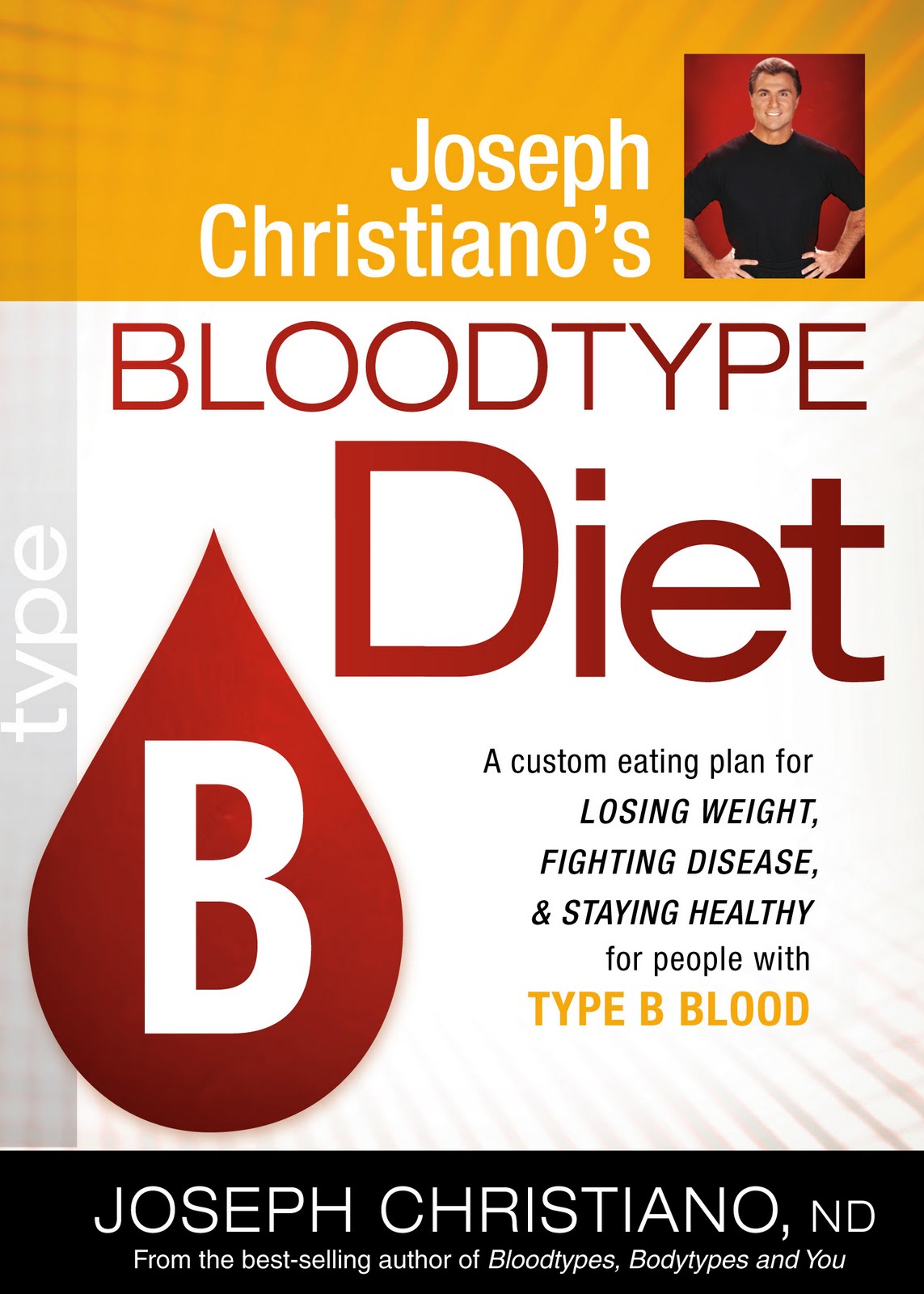
Joseph Christiano’s Bloodtype Diet: Type A

It is time for a FIRST Wild Card Tour book review! If you wish to join the FIRST blog alliance, just click the button. We are a group of reviewers who tour Christian books. A Wild Card post includes a brief bio of the author and a full chapter from each book toured. The reason it is called a FIRST Wild Card Tour is that you never know if the book will be fiction, non~fiction, for young, or for old…or for somewhere in between! Enjoy your free peek into the book!

You never know when I might play a wild card on you!


Today’s Wild Card author is:


and the book:


Joseph Christiano’s Bloodtype Diet:

Type A

Type B

Type AB

Type O

Siloam (September 7, 2010)

***Special thanks to Anna Silva of Strang for sending me a review copy.***

ABOUT THE AUTHOR:

Joseph Christiano, ND, CNC, a naturopathic doctor and certified nutritional counselor, has spent forty years developing individualized diet and exercise programs for Hollywood celebrities. Trainer of Miss America, Miss USA, and Mrs. America pageant winners, Joseph is a former Mr. Florida and award winner in the Mr. America bodybuilding championships. His health and fitness coaching expertise has resulted in helping school aged kids be more physically fit. He is the author of several books, including the best-selling Bloodtypes, Bodytypes, and YOU.

Visit the author’s website.

Product Details:


Type A:


List Price: $12.99
Paperback: 192 pages
Publisher: Siloam (September 7, 2010)
Language: English
ISBN-10: 1616380004
ISBN-13: 978-1616380007

Type B:


List Price: $12.99
Paperback: 192 pages
Publisher: Siloam (September 7, 2010)
Language: English
ISBN-10: 1599799995
ISBN-13: 978-1599799995

Type AB:


List Price: $12.99
Paperback: 192 pages
Publisher: Siloam; 1 edition (September 7, 2010)
Language: English
ISBN-10: 1599799820
ISBN-13: 978-1599799827

Type O:


List Price: $12.99
Paperback: 192 pages
Publisher: Siloam; 1 edition (September 7, 2010)
Language: English
ISBN-10: 1599799626
ISBN-13: 978-1599799629


AND NOW…THE FIRST CHAPTER: (All the first chapters of the Blood Type Diet are the same)

Blood Types: Your Foundation For Health


DNA. Genome. Cellular profiling. Stem cells. Cloning. Blood types. What is it all about? Is the existence and physiological makeup of humankind just a mixture of theories, personal points of view, and yet-to-be proven truths? Are we dabbling into mysterious areas that should be left alone, or are we finally beginning to learn more about ourselves?

In man’s conquest to survive, questions arise every day: What role do genes play in determining health, disease, longevity, bodily function, and performance? What is the origin of man—where did he come from? Do we all come from one main gene pool, or are we descendants of individual generational ancestry? Did we evolve from nothing to crawling on all fours to an eventual upright position, or did Yahweh (God’s proper and personal name) create us? Is man degenerating because of cellular mutation, becoming less than what he started out as, or is he a result of an evolutionary process, making him far superior to what he was at the beginning of time? Why do some people enter life with blue eyes and blond hair and others with brown eyes and brown hair? Are certain body genetics designed for physical and athletic superiority while other body genetics determine the run-of-the-mill hopefuls? Do the ABO blood types react differently to the same foods? Is there a link between red blood cells and your health?

Although phenomenal advancements have been made through modern-day discoveries in technology, science, and medicine, it will still take eternity to unravel the amazing intricacies of man. The world’s best scientific minds have made amazing discoveries, but in the light of all that we still do not know about ourselves, technology seems to move at a snail’s pace.

Whether you believe that Yahweh created every human being or that our existence is a result of some theoretical development of nothingness into something, the answers to our questions lie far beneath the surface—with our genetic foundation.

Our genetic makeup is the foundation of all that is life. Nothing relating to our ability to survive our environment; to fight off illness, infection, or stress; to supply our bodies with nutrition; or to make physiological adaptation is a matter of happenstance. It is no coincidence that our bodies are programmed with the innate ability to defend us from uninvited invaders such as parasites, viruses, and bacteria by creating an army of antibodies.

Our genetic foundation is a mixture of trillions of cells with codes that identify, program, and link everything in our existence—the color of our hair, our bodies’ susceptibility to disease, and foods that are compatible to our potential life span and capability to survive.

Some people would rather merely swim in shallow water than go below the surface to discover answers to the questions and issues of life. But there is a bottomless sea to dive into for the inquisitive and health-conscious individual who seeks knowledge of the role genetics play in our lives.

For example, did you know that . . .

Gene therapy is now being researched intensively in most developed countries—for a host of very good reasons. Instead of treating deficiencies by injecting drugs, doctors will be able to prescribe genetic treatments that will induce the body’s own protein-making machinery to produce the proteins needed to combat illness.

Researchers succeeded in making artificial copies of human genes that could be manipulated to produce large amounts of specific proteins. Such genes can be introduced into the human body where, in many cases, they substitute for a defective gene.

In a study that could lead to new treatments for diabetes and provide guidance on the use of genes in treating disease, scientists show that a common genetic variation increased the risk of contracting type 2 diabetes.

Australian scientists have identified a new gene responsible for controlling appetite in humans—a discovery experts say could lead to the first gene-based drug to treat obesity and diabetes.

In the not-too-distant future, scientists may be able to grow replacement organs and new blood vessels to replace clogged ones, eradicate diseases as diverse as Alzheimer’s and cystic fibrosis, and tell which medication to prescribe.

Gaining more knowledge and understanding about the complexities of our genetics humbles me—and convinces me of the existence of One much greater than man, with infinite creative wisdom that stretches far beyond the finite knowledge of man. The fact that man has the ability to make scientific advancements and acquire information about the genome of man serves only to prove how much greater his Creator must be.

The Discovery of Blood Groups

I also find it amazing that what the majority of us now know about our genetic makeup has only been discovered in recent decades. Experiments with blood transfusions began centuries ago, but without an understanding that there are different blood groups (also called blood types) many people died. At that time, no one knew that the blood clumping (agglutination), which caused toxic reactions and even death after some transfusions, was the result of mixing blood from two people with different blood types.

Then in 1901, an Austrian named Karl Landsteiner discovered that blood clumping was an immune system reaction that occurs when the receiver of a blood transfusion has antibodies that war against the donor’s blood cells. His discovery led to the classification of different blood groups, making it possible to conduct blood transfusions much more safely. Landsteiner was awarded the Nobel Prize in 1930 for making this remarkable, life-saving discovery.

So, what is it about the blood that makes one blood group different from another? The differences in our blood are based on the presence or absence of antigens and antibodies. Antigens are located on the surface of the red blood cells, and antibodies are in the blood plasma. People have different types and combinations of these molecules, which are inherited from their parents.

There are more than twenty blood group systems known today, but since the ABO system is the one most people are familiar with, I’ll stick with the ABO blood group system for our discussion of blood types in this book. As you’re probably aware, according to the ABO system, there are four different kinds of blood groups: A, B, AB, and O.

Blood group A

Since you purchased this book, I assume you belong to blood group A. As a member of this blood group, you have A antigens on the surface of your red blood cells and B antibodies in your blood plasma.

Blood group B

People in this blood group have B antigens on the surface of their red blood cells and A antibodies in their blood plasma.

Blood group AB

People in this blood group have both A and B antigens on the surface of their red blood cells and no A or B antibodies at all in their blood plasma.

Blood group O

People in this blood group have neither A nor B antigens on the surface of their red blood cells, but they have both A and B antibodies in their blood plasma.

How Did Different Blood Types Occur?

People who believe in Creation often ask: How did such a variety of ethnic groups and diverse races arise from one human pair?

Research is revealing more and more about the origin of blood types. Much of this research points out the possibility of the emergence of all known blood types from our common ancestors, Adam and Eve. In his dissertation titled “Blood Types and Their Origin (Answering the Critics),” Jonathan Sarfati tells us:

There is one gene in humans that controls the ABO blood type. There are three versions of the gene, or alleles: A, B, or O….For a husband and wife to pass on all alleles to their children, they need to, between them, have the A, B, and O alleles. . . . If Adam and Eve were genetically AO and BO, for example, their children could have had AB, AO, BO, or OO genetic makeup, giving AB, A, B, or O blood types. Indeed, about 25 percent of their children would have been of each type.

There is so much more to be discovered about man and our genetic makeup—birthed in us at the moment of conception. Although scientists are discovering new things about our genetic structure daily, there is much more that remains unknown. One scientist has observed:

Data supporting the complexity and design of life at all levels, and especially that of man, loom larger than was previously supposed—as large in fact as the enormous “gaps” in the fossil record. . . . The further we look into the complexity to the real world of man and his living companions, the more baffling and unexplainable, at least in standard evolutionary theory, the whole complex becomes. . . . To the skeptic, the proposition that the genetic programmes of higher organisms consisting of something close to a thousand million bits of information…containing in encoded form countless thousands of intricate algorithms controlling, specifying, and ordering the growth and development of billions and billions of cells into the form of a complex organism, were composed by a purely random process is simply an affront to reason.

It has taken gifted scientists years upon years to discover the things they know about man today. But it will take hundreds of more years to understand how to apply the new information.

It is when we are willing to be taught and are open to more knowledge that we continue to grow. I am growing daily in my own knowledge, particularly in my knowledge about the link between blood types and nutrition. Since authoring the book Bloodtypes, Bodytypes, and You, I have discovered new studies about the origin of blood types. These findings lean more closely to my personal beliefs in creationism.

My purpose for mentioning this is twofold: First, I humbly admit that no one has all the answers. But as long as we are willing to be open to greater learning and understanding, progress can be continual. Second, since I happen to believe that Yahweh is the Creator of all creation, it stands to reason that I would embrace studies that line up with my beliefs. As we learn more about the complex design of man, it just makes good sense to me that Someone greater than you or I is in charge of this whole thing.

Regardless of where you stand concerning the origins of blood type, one thing we can agree on is that eating foods compatible to our blood type and avoiding foods that are not compatible is a more accurate and individualized approach to eating than anything man has experienced.

As a naturopathic doctor, and not a scientist, biochemist, or genealogist, I’ll leave the research and discoveries to them and concentrate my efforts on helping you to be healthier. My interest is to help you reach a basic level of understanding about your body so you can take care of it in a way that will contribute to living a healthier and more balanced life.

During my summer vacations from school as a kid, I remember going with my father while he worked a few hours a week for my cousin, who owned an excavation and construction company. I watched the construction workers build the foundations for new buildings, or as they called it, “pour a cellar.” It was quite a process. The first thing they did was excavate the land and prepare the ground. Then they measured out the area where the foundation would be laid. After determining the proper elevations and measurements, they began to set up the forms.

Until I saw the entire process completed for the first time, it was hard to understand why they were using all those heavy planks to make a huge square in the dirt. But I learned that those planks played a very important role in the next part of the procedure. When the huge cement trucks were ready to pour the concrete, they poured it into the wood forms, which shaped the foundation of the building.

I learned that each foundation differed in size, shape, and materials. Certain job sites required the forms to be dug deeper in the ground, while other forms were extended higher. The deeper or higher the forms were laid, the thicker the concrete base or foundation would be. The design and composition of each poured foundation determined the size and weight of the structure that it could support.

Each building structure, whether a residential home, a high-rise building, or a strip mall, required a unique foundation that functioned as its basis for structure, stability, and support. Similarly, our ability to survive, support, and improve our structure will be determined by the mixture of the material found in our foundation. Our foundation, of course, is our genetics.

Consider yourself as a general contractor who wants to redesign or custom-build a house. In this case, the foundation of the house you want to construct, or reconstruct, is your genetics. Instead of brick, mortar, and wood, you are using the materials that comprise your body.

The amount of time and effort you put into customizing and building your “house” (your body) will help it to last for many years. By understanding the purpose of a strong “foundation” (your genetics) and by using the proper “tools and materials” (the proper nutritional and exercise applications and methodologies), you can assure a healthy, happy future.

You have a specific biological makeup that was given to you at conception. It’s the genetic substance that makes up your entire existence.

I have three daughters—Amy, the oldest, and twin daughters, Jenifer and Cara. Amy’s genetic foundation has given her facial features that resemble mine, while genetically Jenifer and Cara have their mother’s facial features.

But your genes are not limited to your facial characteristics. Your genes not only determine if you will look more like your mom or your dad and what color your hair and eyes will be, but also how susceptible you are to certain diseases and illnesses.

Your cellular profile and the way your body responds to certain foods, viruses, and bacteria are determined by your genes also.

One very important consideration can greatly help you maximize your genetic potential. This is providing your body with the best nutritional program for your specific genetics. Let’s take a look at this consideration in the next chapter.

Recap:

To understand the importance of your blood type, remember the following:

1. All of us are made up of trillions of cells. We function by our cells.

2. Our genetic foundation can help us determine today and tomorrow how to prepare ourselves for potential illnesses and diseases.

3. Understanding the role our genetics (blood type) play will help individualize the dietary remedies we need to improve survival.

4. Your body at the cellular level responds differently to the same foods than other blood types may.

MY REVIEW:

All I have to say about this book is that it is one diet I will not try. It would most likely work because on the plan for Type A, there is almost nothing I can eat and some of that I do not like. I could definitely lose weight if all I had was fish, rice and green tea which the author suggests is a perfect diet for Type A’s. How boring!

I never could find where the author documented exactly how the foods on the absolutely do not eat list were chosen. I can understand why some of the foods might be forbidden but why not peppers and tomatoes among others?  Basically, if like me you are a Type A, you should avoid all meat and dairy, most fish and seafood, many fruits and vegetables, grains, etc. He recommends that all foods on the “don’t eat” list be removed from the home. Not at all practical when your husband is Type O and should be able to eat almost anything he wants.

No thank you Dr. Christiano. I’d rather take my chances.

Dr. Colbert’s “I Can Do This” Diet

It is time for a FIRST Wild Card Tour book review! If you wish to join the FIRST blog alliance, just click the button. We are a group of reviewers who tour Christian books. A Wild Card post includes a brief bio of the author and a full chapter from each book toured. The reason it is called a FIRST Wild Card Tour is that you never know if the book will be fiction, non~fiction, for young, or for old…or for somewhere in between! Enjoy your free peek into the book!

You never know when I might play a wild card on you!


Today’s Wild Card author is:


and the book:


Dr. Colbert’s “I Can Do This” Diet

Siloam Press (January 5, 2010)

***Special thanks to LeAnn Hamby | Publicity Coordinator, Book Group | Strang Communications for sending me a review copy.***

ABOUT THE AUTHOR:


Don Colbert, MD, is board-certified in family practice and anti-aging medicine. He has also received extensive training in nutritional and preventative medicine, and he has helped millions of people to discover the joy of living in divine health. In addition to speaking at conferences, he is the author of the New York Times best-selling book The Seven Pillars of Health, along with best sellers Toxic Relief, the Bible Cure series, Living in Divine Health, Deadly Emotions, and What Would Jesus Eat?

Visit the author’s website.

Product Details:

List Price: $24.99
Hardcover: 320 pages
Publisher: Siloam Press (January 5, 2010)
Language: English
ISBN-10: 1599793504
ISBN-13: 978-1599793504

AND NOW…THE FIRST CHAPTER:

The Obesity Epidemic:
What We’re Up Against


A few years ago a thirty-two-year-old man named Morgan Spurlock became Ronald McDonald’s worst nightmare. Intent on correlating the rise of obesity in our nation with the fast-food giant, the independent filmmaker conducted a personal experiment—using himself as the guinea pig. For thirty days he ate nothing but McDonald’s food. He downed three meals a day, sampling every item on the Golden Arches’ menu. And whenever he was asked if he wanted his meal supersized, he accepted.

With cameras rolling the entire time, Spurlock transformed his body into a flab factory while consuming an average of 5,000 calories a day and gaining almost 25 pounds in a single month. He also turned his Academy Award–nominated documentary, Super Size Me, into a statement heard around the world.1

The jury is still out on whether Americans were actually paying attention. Though recent statistics indicate that the obesity rates in the United States may be stabilizing, they’re still at unprecedented, staggering levels.2 Since the 1960s, the proportion of obese Americans—now an astounding 34 percent—has more than doubled.3 Obesity currently kills an estimated four hundred thousand Americans each year and is the second-leading cause of preventable deaths in this country.4 The number one avoidable killer? Cigarette smoking.5 That means maintaining a healthy weight is up there with quitting smoking as the most crucial lifestyle change you could ever make. Because we’re seeing a trend of people deciding to quit smoking, I predict that obesity will soon pass smoking as the number one avoidable killer of Americans.

Unfortunately, many doctors, nutritionists, and dietitians seem to completely miss or ignore this fact. They love to offer topical “Band-Aids” that alleviate patients’ symptoms yet fail to tackle the root issues or consider the long-term ramifications of neglecting their patients’ weight. One recent report from the Centers for Disease Control and Prevention (CDC) found that about a third of obese adults have never been told by a doctor or health-care provider that they were obese.6 Unbelievable! The results speak for themselves. In fact, they’re screaming while most practitioners turn the other way.

As our nation faces the biggest health-care crisis in its history, it’s time for us to realize that the answer isn’t going to come from doctors, clinics, or the U.S. government. It’s going to come from each person taking responsibility for their own health. And because obesity and overweight are at the root of so many health conditions, it only makes sense to start by getting yourself to a healthy weight.

Defining the Problem

Before we delve into what has so many people visiting the plus-size department, let’s clarify the terms overweight and obese. Many people have a general sense as to how these words are different, yet in recent years the delineation has become clearer. Various health organizations, including the CDC and the National Institutes of Health (NIH), now officially define these terms using the body mass index (BMI), which factors in a person’s weight relative to height. Most of these organizations define an overweight adult as having a BMI between 25 and 29.9, while an obese adult is anyone who has a BMI of 30 or higher.7

It’s worth mentioning that a very small portion of individuals are overweight or obese according to their BMI (over 30) yet have a normal or low body fat percentage. Professional athletes, for instance, often have a high-muscle, low body fat makeup that causes them to weigh more than the average person, yet they are not truly obese (some football linemen and sumo wrestlers excluded, of course).

However, I have found that most of the people who come to me seeking help are not just overweight but technically obese, with a body fat percentage greater than 25 percent for males and greater than 33 percent for females.8 Throughout this book when I discuss having a high BMI (over 30), I will be referring to obese people and not those few muscular types with high BMI but a normal or low body fat percentage.

The Fat Cost of Obesity

When all is considered, obesity comes with a fat price tag (pun intended) of nearly $122.9 billion each year.10 Recently William L. Weis, a management professor at Seattle University, calculated the total annual revenue from the “obesity industry”—which includes fast-food restaurants, obesity-related medical treatments, and diet books—as more than $315 billion. That amounts to nearly 3 percent of the United States’ overall economy!11 As shocking as that sounds, no dollar amount can do justice to the real damage being done.

If you are overweight or obese, you increase your risk of developing thirty-five major diseases, including (take a deep breath) heart disease, stroke, arthritis, type 2 diabetes, sleep apnea, gastroesophageal reflux disease, hypertension, high cholesterol, high triglycerides, Alzheimer’s disease, infertility, erectile dysfunction, gallstones, gallbladder disease, adult-onset asthma, and depression. In fact, we now know that being overweight or obese increases your odds of developing more than a dozen forms of cancer. After reviewing more than seven thousand medical studies over the course of five years, a team of highly respected scientists from around the world concluded in 2007 that diet and weight have a direct effect on the chances of developing cancer. With help from the World Cancer Research Fund and the American Institute for Cancer, they listed the top ten recommendations for cancer prevention; body fat came in at number one. Their report also strongly recommended maintaining a normal range of body weight, which they identified as a body mass index between 18.5 and 24.9, to assist in cancer prevention.12

If you are an obese woman, you have a significantly higher risk of postmenopausal breast cancer—one and a half times more than a woman with an average healthy weight, to be exact. You also increase your chances of developing uterine cancer because of your weight. For pregnant mothers, the risk of delivering a baby with a serious birth defect is doubled if you are overweight and quadrupled if you are obese.13 Men, your chances of developing prostate cancer are almost double if you are overweight, and even greater if you are obese.14 (Prostate cancer is the second-most common cancer among men behind skin cancer.) A separate new study indicates that the greater a man’s weight, the greater his chances of dying from a stroke.15 Finally, for both men and women the odds of getting colon and kidney cancer increase with weight. And being obese triples your risk of developing Alzheimer’s disease.

This is just a sampling of the physical implications of obesity. There are social and psychological ones too. Obese individuals generally contend with more rejection and prejudice than the average person. Often they are overlooked for promotions or not even hired because of their physical appearance. Most obese people struggle daily with self-worth and self-image issues. They feel unattractive and unappreciated and are at an increased risk of depression. Many of us have experienced the humiliating experience of an obese person trying to fit in an airplane, stadium, or automobile seat that is too small. Maybe you have been that person. If you have, you are well acquainted with how obesity can affect the way others treat you, as well as how you treat yourself.

Globesity and a Culprit

Tragically, millions of others outside the United States struggle with the same issues. The World Health Organization calls obesity a worldwide epidemic. Obesity, along with its expanding list of health consequences, is now overtaking infection and malnutrition as the main cause of death and disability in many third-world countries. Globesity, as it has been termed, has officially arrived. And it seems Morgan Spurlock was on the right track in discovering a major reason why.

In Fast Food Nation, author Eric Schlosser reports that in 1970, Americans spent about $6 billion on fast food; in 2000, we spent more than $110 billion. Because corporate America is a global trendsetter, other countries have followed suit. Between 1984 and 1993, the number of fast-food restaurants in Great Britain doubled, as did the obesity rate among adults. Fast-forward fifteen years, and you will find the British currently eat more fast food than any other nation in Western Europe.

Meanwhile, the proportion of overweight teens in China has roughly tripled in the past decade. In Japan, the obesity rate among children doubled during the 1980s, which correlated with a 200 percent increase in fast-food sales. This generation of Japanese has gone on to become the first in the nation’s history known for its bulging waistlines. Approximately one-third of all Japanese men in their thirties are now overweight.16 Yes, the entire world is beginning to look more like Americans by adopting our fast-food eating habits.

A Child Shall Lead Them

How has an entire generation of hefty eaters changed the face of the world? By starting young. And once again, this unflattering trend originated in America. In the United States, one-fifth of our children are now reported to be overweight, and one out of ten (24 million adults) have diabetes. The CDC predicts that one out of three children born in the United States in 2000 will develop type 2 diabetes at some point in their life.18

As a result of childhood obesity, we are seeing a dramatic rise in children with type 2 diabetes throughout the country. And because of the connection obesity has with hypertension, hypercholesterolemia (high cholesterol), and heart disease, experts are predicting a dramatic rise in heart disease as our children become adults. The CDC reports that overweight teens stand a 70 percent chance of becoming overweight adults, and that is increased to 80 percent if at least one parent is overweight or obese. Because of that, heart disease and type 2 diabetes are expected to begin at a much earlier age in those who fail to beat the odds.19 Overall, this is the first generation of children that is not expected to live as long as their parents, and they will be more likely to suffer from disease and illness at an earlier age.

If you do not lose weight for yourself, at least do it for your children. Children follow by example, by mirroring the behavior of their parents. Don’t tell them to lose weight without doing it yourself. I’m sure most of you love your children and are good parents. But ask yourself: Do you love your children enough to lose weight? Do you love them enough to educate them on what foods to eat and what foods to avoid? Do you love them enough to keep junk food out of your house and instead make healthy food more available? Do you love them enough to exercise regularly and lead by example?

If you answered yes to those questions, it is important that you not only take action for your children’s sake but also that you make changes for them that last. I am ecstatic that you have picked up this book. I believe you now hold the key to truly changing your life. But let me be honest; this is not an easy fight when it involves your children’s lives. The culture in which they are growing up is saturated with junk food that is void of nutrition but high in toxic fats, sugars, highly processed carbohydrates, and food additives. Consuming these foods has become part of childhood. For example, in 1978, the typical teenage boy in the United States drank seven ounces of soda a day; today he drinks approximately three times that much. Meanwhile, he gets about a quarter of his daily servings of vegetables from french fries and potato chips.24

If you’re planning on taking a stand against this garbage-in, garbage-out culture, expect some opposition from every front. During the course of a year, the typical American child will watch more than thirty thousand television commercials, with many of these advertisements pitching fast food or junk food as delicious “must-eats.” For years, fast-food franchises have enticed children into their restaurants with kids’ meal toys, promotional giveaways, and elaborate playgrounds. It has obviously worked for McDonald’s: about 90 percent of American children between the ages of three and nine set foot in one each month.25 And when they can’t visit the Golden Arches, it comes to them. Fast-food products—most of which are brought in by franchises—are sold in about 30 percent of public high school cafeterias and many elementary cafeterias.26

These fast-food establishments spend billions of dollars on research and marketing. They know exactly what they are doing and how to push your child’s hot button. They understand the powerful impact certain foods can have on you at a young age. Have you ever thought of when you first started liking certain foods? For the majority of people, those preferences were formed during the first few years of life. That is why comfort foods often do more than just fill the stomach; they bring about memories of the fair, playgrounds, toys, backyard birthday bashes, Fourth of July parties, childhood friends?.?.?.?the list goes on. The aroma of foods such as onion rings, doughnuts, or fried hamburgers can instantly trigger these memories, and as adults, we are often unconsciously drawn to these smells. Advertisers have keyed into this and learned to use the sight of food to stimulate the same fond childhood memories.

In the Genes or in the Water?

For every obese person, there is a story behind the excessive weight gain. Growing up, I would often hear it said of an obese person that “she was just born fat,” or “he takes after his daddy.” There’s some truth in both of those. Genetics count when it comes to obesity.

In 1988, the New England Journal of Medicine published a Danish study that observed five hundred forty people who had been adopted during infancy. The research found that adopted individuals had a much greater tendency to end up in the weight class of their biological parents rather than their adoptive parents.28 Separate studies have proven that twins raised apart also reveal that genes have a strong influence on gaining weight or becoming overweight.29 There is a significant genetic predisposition to gaining weight.

Still, that does not fully explain the epidemic of obesity seen in the United States over the past thirty years. Although an individual may have a genetic predisposition to become obese, environment plays a major role as well. I like the way author, speaker, and noted women’s physician Pamela Peeke said it: “Genetics may load the gun, but environment pulls the trigger.”30 Many patients I see come into my office thinking they have inherited their “fat genes,” and therefore there is nothing they can do about it. After investigating a little, I usually find that they simply inherited their parents’ propensity for bad choices of foods, large portion sizes, and poor eating habits.

If you have been overweight since childhood, you probably have an increased number of fat cells, which means you will have a tendency to gain weight if you choose the wrong types of foods, large portion sizes, and are inactive. But you should also realize that most people can override their genetic makeup for obesity by making the correct dietary and lifestyle choices. Unfortunately, many of us forget that to make these healthy choices, it helps to surround ourselves with a healthy environment.

That is becoming more difficult than ever as families give way to their hectic routines by grabbing breakfasts-on-the-go, ordering fast-food lunches, dining out for dinner, and skipping meals. After years of this, it is catching up to us. The average American adult gains between 1 to 3 pounds a year, beginning at age twenty-five. That means a twenty-five-year-old, 120-pound female can expect to weigh anywhere from 150 to 210 pounds by the time she is fifty-five years of age. Is there any wonder why we have an epidemic of heart disease, type 2 diabetes, hypertension, high cholesterol, arthritis, cancer, and other degenerative diseases? We have to put the brakes on this obesity epidemic—and a lifestyle approach to eating is the answer!

Adding Culture to the Mix

Just as environment often shapes your health habits, so does culture. The two walk hand in hand when it comes to causing obesity. As children, we develop our food preferences and habits based on our family environment. Yet every family is influenced by its surrounding culture, and culture often shapes the types of foods, recipes, and ingredients we choose on a regular basis.

I was raised in Mississippi. Ever since I was a child I remember how my mother’s coffee cup always sat on the stove in the kitchen. But instead of coffee, it was filled with bacon grease. Whenever she cooked vegetables—any kind—she would add a few tablespoons of that bacon grease to add flavor. She fried almost everything: fried chicken, fried hamburgers, fried salmon, fried fish sticks, chicken fried steaks, fried chicken livers, fried ham, fried pork chops, fried bacon?.?.?.?you name it. Why did she do this? Because her mother had taught her to fry virtually any meat.

Mom also usually made gravies, all of which were grease-based. Most meals were served with corn bread or biscuits, either of which contained a hefty amount of Crisco shortening. We rarely ate grilled food, and when we did, it was a fatty cut of meat. I still remember my father making me eat all the fat on my steak. Since I was a skinny kid, he would say, “Son, that fat is good for you—it will help to fatten you up.” I recall almost puking as I tried to get the fat down.

We were a typical Southern family. My brother, sister, and I were all raised to eat fried foods, greasy foods, biscuits, and corn bread—and top it all off with a large piece of cake or pie for dessert. Today, I see a similar thing happening in the southwestern part of the United States. This Southwest culture, which is in part defined by its Tex-Mex and Mexican eating habits, is helping to fuel the obesity epidemic. Most of these people are being raised on highly processed white breads or corn tortillas, white rice and fried white rice, corn chips, refried beans, fried tacos, enchiladas, nachos?.?.?.?the list goes on. Their diet typically contains a lot of fats, a lot of grease, a ton of highly processed carbohydrates, and a lot of sugar.

It is no coincidence that almost every year some Texas city has the unflattering distinction of having the largest number of obese individuals in the country. After Houston was named the “fattest city” multiple times in past years, 2008 saw Arlington, San Antonio, Fort Worth, El Paso, and Dallas all place among the top ten fattest cities of Men’s Fitness magazine’s “Annual Fattest and Fittest Cities in America Report.” The year before, four of those cities made the dubious honor.31 Not only do these overweight hot spots feature some of the country’s best Tex-Mex and Mexican style foods, but they also offer extra large Texas portions with a blend of some of the most calorie-dense cultural foods around. Is there any wonder why Texans have a major obesity problem?

Eating With the Head and Not the Heart

We have discussed how genetics can sometimes, though rarely, prompt an individual’s obese state. We have also talked about how the overwhelming majority of obesity cases are a direct result of environment and culture. These can be discouraging factors in light of the gloomy statistics and the ongoing epidemic. However, I want to end this chapter on a positive note by reminding you of a simple truth. In fact, it is what this book is all about.

Regardless of how difficult it sounds, your cultural tastes and foods can be changed over time with education, practice, and discipline. You can learn how to choose similar foods that have not been excessively processed as well as lower-fat alternatives. It’s possible to discover—or rediscover—portion control and healthy cooking methods. Sure, you may still love your fried chicken, mashed potatoes and gravy, and chocolate cake. But soon you will be able to enjoy the same foods with just a fraction of the fat, sugars, and calories.

When I wrote the book What Would Jesus Eat? about the Mediterranean diet, I learned that most Middle Easterners ate differently than the typical American. That sounds obvious, but what distinguishes the two isn’t. I found that those who are used to a Mediterranean diet typically would not leave the dinner table stuffed as most Americans do. Generally, they ate anything they wanted—but in moderation. They enjoyed their food and socialized while eating. They had the uncanny ability to enjoy just a few bites of their favorite foods such as wine, dark chocolate, or even chocolate ice cream. Unlike most Americans, who scarf down a dessert as if they were inhaling it, those eating a Mediterranean diet actually savored just a few bites.

The real pleasure in most foods is in the first few bites. We will discuss this later, but for now, know that you can break out of your old cultural eating patterns. You do not have to follow a parent’s poor food choices, and you can overcome your family’s eating cultural patterns. (I certainly did!) And in the process, you will discover the true joy of eating.

MY REVIEW:

I need to spend more time with this book to see if I can make it work for me. Dr. Colbert seems to have a somewhat different approach to weight loss in that he believes it begins in the mind. If so, I need to get my mind around it. At this point, I have a hard time believing that I can do it. Everything he says makes sense. The suggested foods, etc. sound sensible. So – the only problem is me.


I plan to dig deeper into Dr. Colbert’s “I Can Do This” Diet and see if I truly can do this. If I am successful, I will letyou know.

Book Giveaway – Tea With Hezbollah

I have one copy of Tea With Hezbollah by Ted Dekker and Carl Medearis to give away this week. If you would like to win a copy, just leave a comment on this post with the answer to this question – “Am I able to love my neighbor as myself?” Please elaborate.

I will choose a winner Sunday, January 31.  U. S. entries only please.